

$74/acre Input Savings With 17–22 Brix and 1 Application vs. 3+ Normally
Alvarez Harvesting installed Kyminasi® Plants Crop Booster™ on an underperforming plum field approximately nine days before harvest. Within three days, the producer reported healthier-looking trees and increasing fruit size. By harvest, fruit size had caught up with the farm's other fields, while the treated plums measured 17–22 Brix.
- Date
- July 2020
- Season
- Summer
- Location
- California, USA
- Farm
- Alvarez Harvesting
- Producer
- Gabe Alvarez
- Crop
- Plums
- KPCB Installed
- Approximately 9 Days Before Harvest
- Observed Response
- Within 3 Days · Source Reported
- Technology
- Kyminasi® Plants Crop Booster™
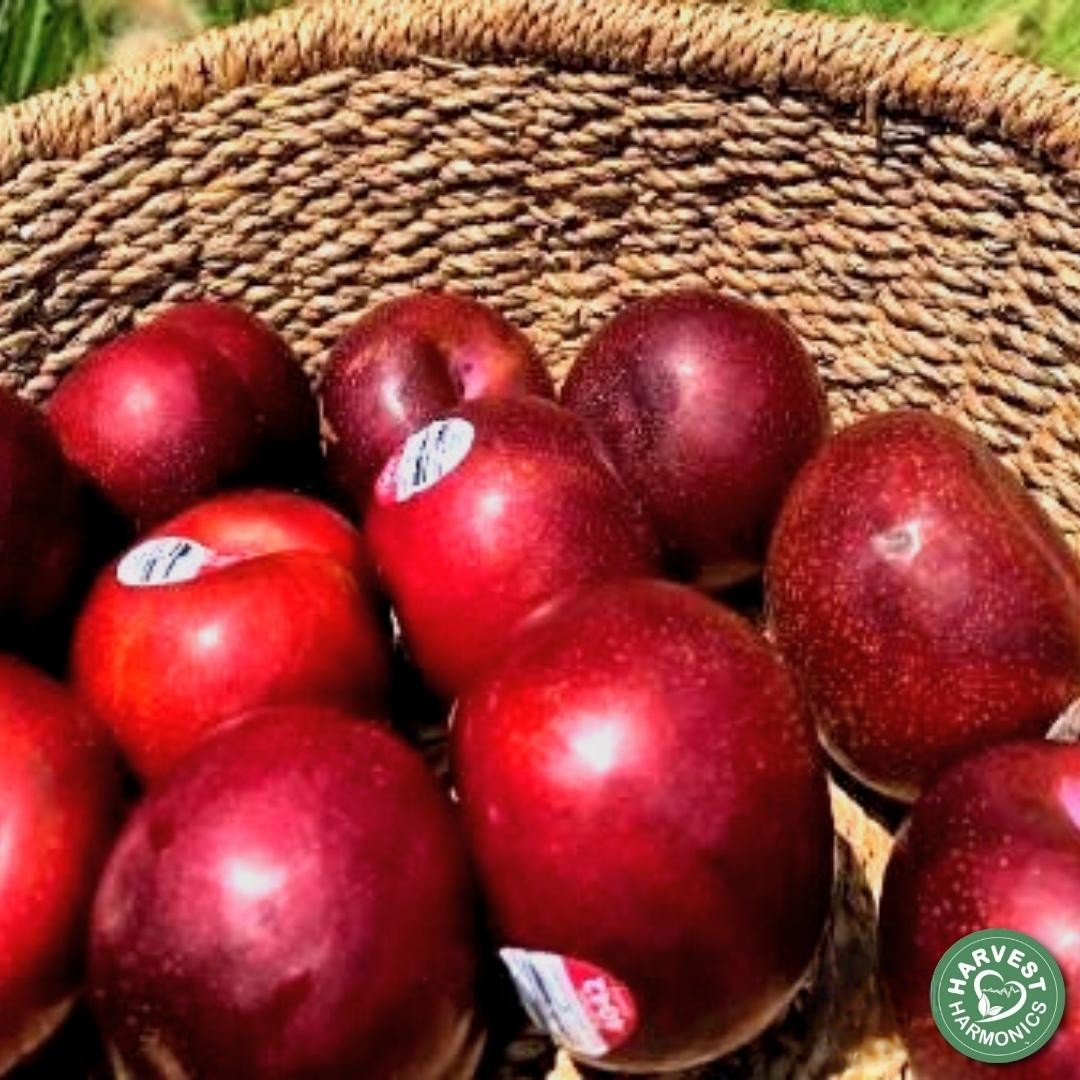
Fruit size caught up by harvest, Brix reached 17–22, and annual input applications fell from 3+ to 1.
Within three days of Crop Booster installation, Gabe Alvarez reported that the treated trees appeared healthier and the plum fruit began increasing in size. By harvest, the fruit had reached the same size as fruit in the farm's other fields, allowing the fields to be harvested together. The KPCB plums measured 17–22 Brix compared with the producer's normal 15–17 Brix range.
Fruit Size Recovered by Harvest
The underperforming field's fruit was reported to reach the same size as fruit in the farm's other plum fields by harvest.
17–22 Brix
KPCB plums measured between 17 and 22 Brix. The producer identified 15–17 Brix as his normal plum range.
Coordinated Harvest Timing
Because the fruit size caught up, the producer was able to harvest this field at the same time as his other fields.
Fewer Input Applications
The producer reported only one application of nitrates, fertilizers, and herbicides that year, compared with three or more applications normally.
| Measurement | Normal / Comparison | KPCB Result | Difference |
|---|---|---|---|
| Brix | 15–17 | 17–22 | Higher Reported Range |
| Annual Input Applications | 3 or More | 1 | At Least 66.7% Fewer Applications |
| Input Cost | Normal Program | Lower Reported Cost | ≈ $74/acre Saved |
| Fruit Size Before KPCB | Other Fields at Expected Size | Underperforming Field | Qualitative Comparison |
| Fruit Size at Harvest | Other Farm Fields | Same Size Reported | No Dimensions Supplied |
| Time to First Observation | KPCB Installed ~9 Days Before Harvest | Visible Change Within 3 Days | Producer Observation |
| Harvest Timing | Risk of Later Separate Harvest | Harvested With Other Fields | Source Reported |
Producer: Gabe Alvarez
Location: California, USA · Date: July 2020
Crop: Plums
KPCB Installation: Approximately 9 Days Before Harvest
First Reported Visual Response: Within 3 Days
KPCB Brix: 17–22
Normal Brix: 15–17 · Producer Reported
Normal Input Applications: 3 or More Per Year
KPCB-Year Input Applications: 1
Application Frequency Difference: At Least 66.7% Fewer Applications
Inputs Referenced: Nitrates · Fertilizers · Herbicides
Input Cost Savings: Approximately $74 Per Acre · Source Reported
Fruit Size at Harvest: Reported to Match Other Fields
Technology: Kyminasi® Plants Crop Booster™
Crop Booster was installed approximately nine days before harvest in a plum field that was reported to be underperforming in fruit size. The producer observed healthier-looking trees and increasing fruit size within three days; these are visual observations rather than instrument-based plant-health measurements. By harvest, the fruit was reported to have reached the same size as fruit from the farm's other fields, but no fruit diameter, circumference, weight, size grade, or sample counts are supplied. The KPCB fruit measured 17–22 Brix compared with a producer-reported normal range of 15–17 Brix. Because both values are ranges, no single percentage Brix increase is calculated. The producer reports using one application of nitrates, fertilizers, and herbicides that year compared with three or more applications normally. Comparing one application with a minimum baseline of three represents at least 66.7% fewer applications; however, no actual fertilizer, nitrate, or herbicide quantities, rates, active ingredients, or pounds per acre are supplied. Therefore, this page does not claim a 67% reduction in fertilizer volume or total agrichemical use. Approximately $74 per acre in input-cost savings is source reported. The source also states that harvesting the field together with the other fields saved labor costs, but no labor-cost amount is supplied, so no additional quantified labor savings are claimed.
Why this matters for plum growers: This Alvarez Harvesting case is notable because Crop Booster was installed only about nine days before harvest in an underperforming field. By harvest, the producer reported that fruit size had caught up with his other fields, the plums measured 17–22 Brix, annual input applications were reported at one instead of three or more, and approximately $74 per acre in input costs was saved.
See the Alvarez Harvesting Plum Case Study
Want to learn more about Harvest Harmonics technology or discuss your plum, stone fruit, or orchard operation with our team?
For Booking or Quotes Click Here