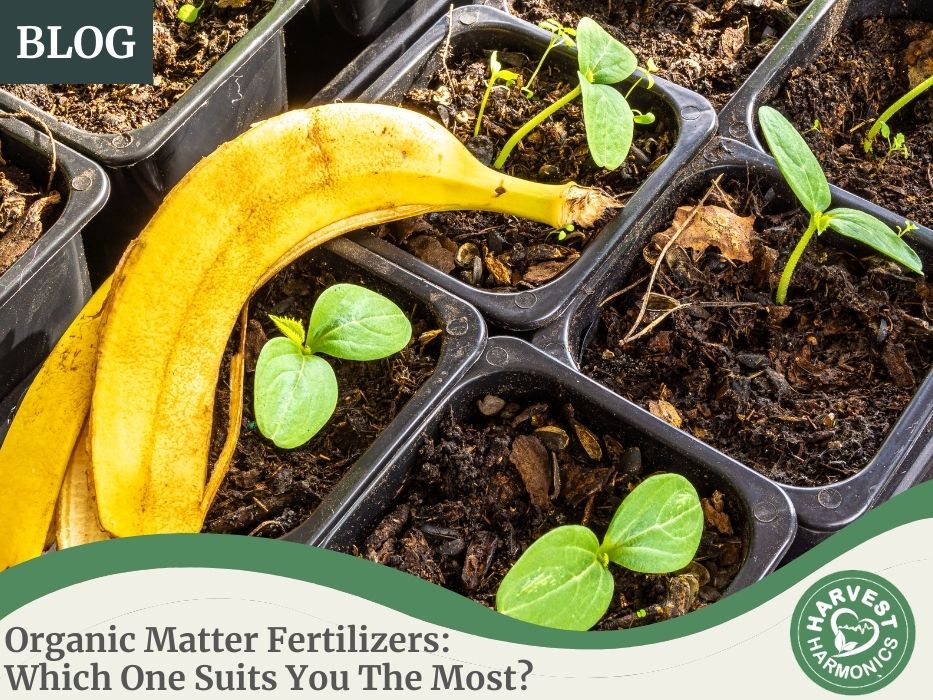
Organic Matter Fertilizers: Which One Suits You The Most?
Organic agriculture can be described as a form of agriculture that uses sustainable natural resources and strategies such as the application of biofertilizers, biological pest control, and crop rotation. Thus, organic farmers use natural pesticides and fertilizers, which differs from traditional agriculture using synthetic fertilizers, pesticides, and growth regulators to improve crop yields and hormones and antibiotics to increase meat and milk production in animals].
Considering the problems caused to the environment and human health by the overuse of synthetic agrochemicals, we present this alternative involving sustainable and ecofriendly materials, some of which are readily available.
Organic Matter Fertilizers
The enormous amounts of chemical fertilizers applied to increase crop production has polluted the water, soil, and air at a large scale. In turn, this has increased consumers’ mistrust concerning the quality and safety of food production. Organic farming has been promoted to restore soil health and fertility status through the addition of organic matter. This is a common practice among farmers because it improves physical, chemical, and biological soil properties, in addition to supplying plants with nutrients. Farmers need to return to traditional methods using crop residues and animal waste such as manure.
Some of the sources of organic manure are provided below:
Crop Residues
Crop residues are materials (non-photosynthetic plants) left on cultivated soils after crops have been harvested. They are considered an effective measure against erosion because they can improve soil structure, increase the soil organic matter content, reduce evaporation, and fix CO2 in the soil. Moreover, they can be used in the production of biofuel.
The usual practices of crop management include (1) disposal in landfills and (2) the incineration of these residues under minimally controlled conditions, which aggravates air pollution, in terms of increasing the emissions of particulate material, as well as increasing CO2 emissions. An improvement to this practice corresponds to the use of this biomass to generate energy in a sustainable way.
Moreover, the incorporation of these residues, as green manure, can provide nitrogen to the soil, through biological nitrogen fixation, increasing the supply of N to subsequent crops, allowing the reduction of chemical fertilizer applications. In general, most used green manure comes from legumes, although its exclusive use is not very advantageous because it provides a short period of supply of N due to its rapid decomposition (3–4 weeks), so it is not very suitable for application to crops that have a very long crop cycle [28]. In this sense, the effect of the use of green manure from legumes and non-legumes, independently and in combination, has been studied to improve the yield of various crops. In this way, the incorporation of green manure improves the chemical, biochemical, and microbiological characteristics of the soil. Considerable research has been done regarding the improvement in bacterial communities of soils undergoing treatment with green manure, finding that its application increased the diversity of the bacteria during decomposition. On the other hand, the use of certain green manures has allowed the control of weeds and nematodes, without affecting the crop yield, allowing these fertilizers to be used as biofumigants.
Animal Manure
Animal manure is used to fertilize crops and grasslands, leading to a relevant reduction in the use of N fertilizer. The availability of animal wastes is projected to rise in future decades, specifically in developing countries. The numerous organic manures of animal origin include bird manure (specifically poultry manure), bovine manure, sheep manure, and pig manure, among others. The availability and use of such manures for crop production depend on the geographical area, manure price, extent of manure production, and management [42–44]. Marta et al. [45] studied the influence of the application of animal manures in reducing the toxicity of soils contaminated with heavy metals, finding that their application corresponds to a good alternative of phytoremediation.
Compost
One of the most important management strategies for solid organic waste is composting, which is a process that involves the biooxidative decomposition of organic matter. Composting can produce high-quality products that are effective for application in agriculture, due to its cost-effectiveness, easy operation, and environmental friendliness. In this sense, the composting of cattle manure has a variety of agricultural benefits, such as decreasing the mass and water content, inhibiting pathogens, killing weed seeds, and producing stable and spreadable organic matter. For example, in Spain, farmers use a substitute approach for cattle manure management through composting on intensive livestock farms to obtain a healthier useful agricultural product.
The quality of the compost depends on factors such as the presence of inappropriate materials, such as glass or plastic, which can affect the concentration of heavy metals, electrical conductivity, and decomposition rate, among others. Within the composting process, greenhouse gases (GHGs) are produced, such as nitrous oxide (N2O), methane (CH4), and ammonia (NH3). Although the generation of these GHGs is lower than when using livestock manure to improve the yield of certain crops, GHG emissions from compost can be reduced using chemical additives (salts of PO4 3−, Mg2+, superphosphate, gypsum, etc.) that promote chemical reactions in the compost substrate in relation to the renewal processes of N; physical additives (biochar, zeolites, bentonites, sand, soil, etc.), which adsorb or change the physical factors of the compost; and microbials (ammonia-oxidizing bacteria, etc.), i.e., microorganisms that affect the renewal processes of N.
Source: Duran-Lara, E. F., Valderrama, A., & Marican, A. (2020). Natural organic compounds for application in organic farming. Agriculture, 10(2), 41.
Press Room
Agricultural Technology for Farmers in India
Harvest HarmonicsTM New Biophysics Agricultural Technology For Farmers In India The Agricultural Biophysics technology, 20…
1

Organic Earth Tech, OETI, Launches One Million Dollar Technology
After hurricanes Maria and Irma, Puertorrican farmers are yet to receive the needed aid to recover. Organic Earth Tech…
0
Produce More From Less
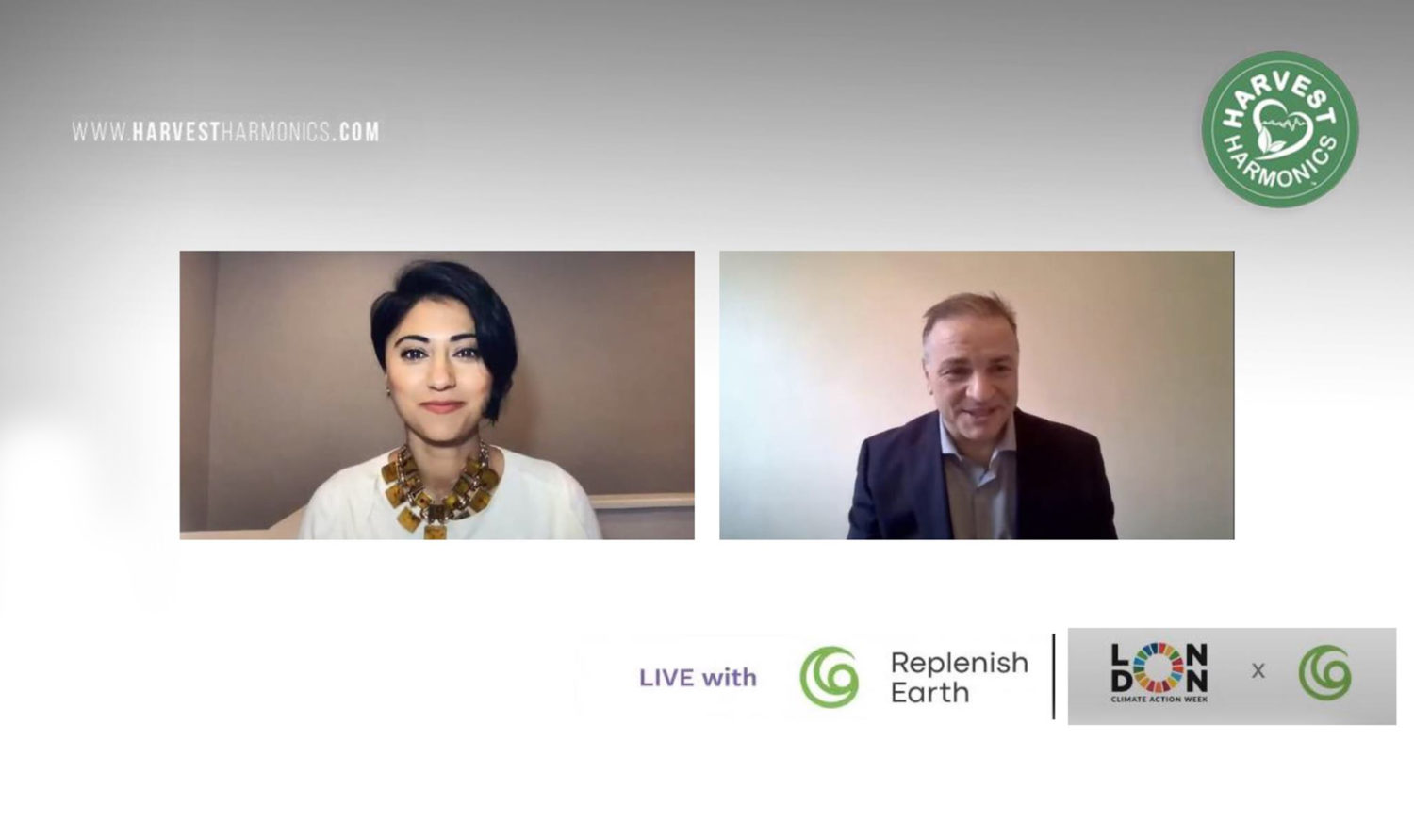
CEO Harvest Harmonics Frank Arlia speaking at Replenish. Earth interview by Tia Kansara – London Climate Action Week. How…
0
Replenish Earth and the Environmental RE Talk Series
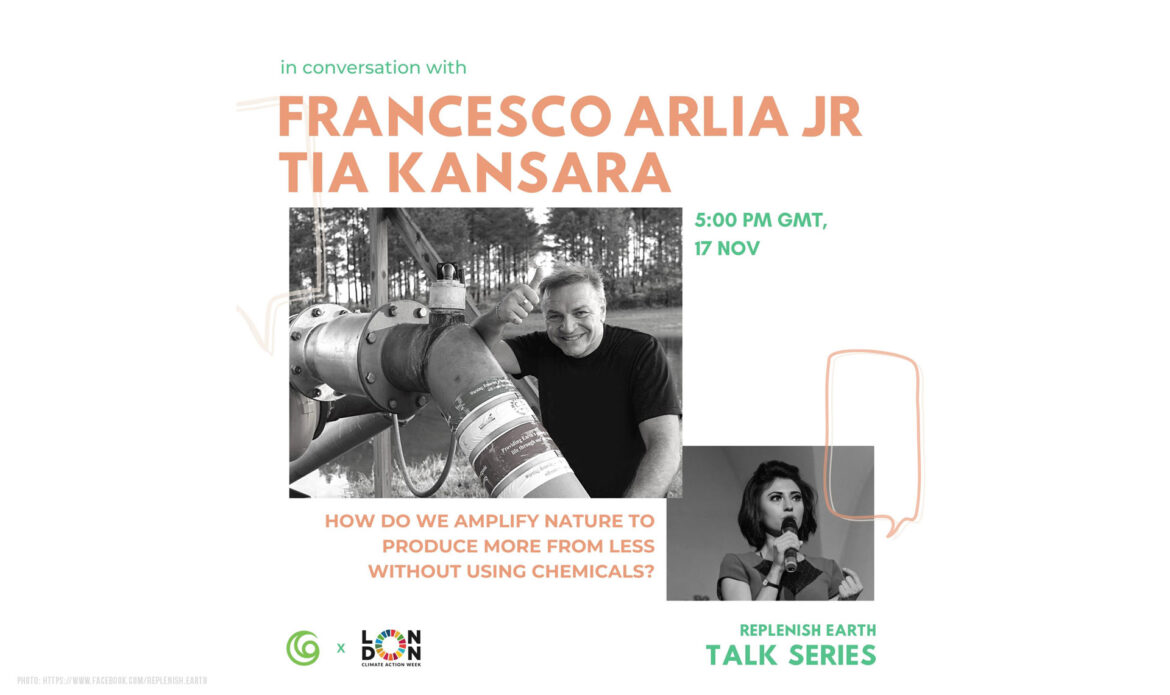
Replenish Earth and the environmental RE Talk Series event that reunited the top thinkers in the world Harvest Harmonics…
1
Fulvio Balmelli, An Independent Researcher in Favor of Agriculture
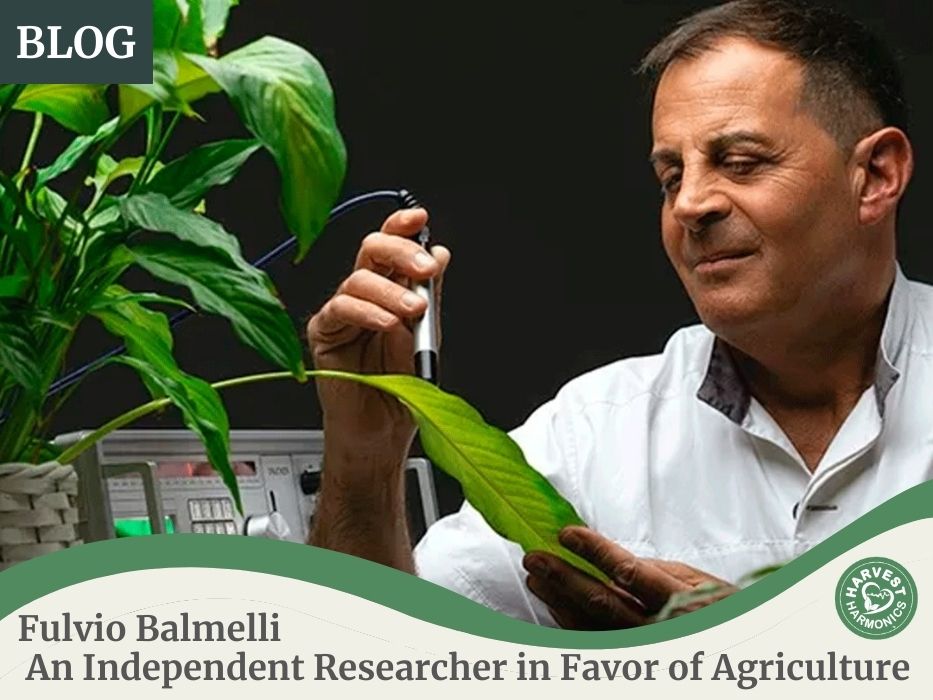
Fulvio Balmelli was born in Faido in the canton of Ticino in Switzerland on July 15, 1964.
He has been an independent researcher since 1990. With the tireless intention of developing long-term and effective solutions for human health, he found his way by creating his own path of knowledge and practical methods.
With a background in mechanical design, he studied alongside experts and doctors from various sectors, in the fields of human anatomy, homeopathy, herbal medicine, postural osteopathy, bioresonance, while continuing to deepen his knowledge of the physical sciences and biophysics. Since then, every morning, before starting the day, he studies medicine and physics texts, updating himself and comparing data and studies.
The meticulous work carried out by Fulvio Balmelli over the years as an independent researcher has consisted of creating an applied research system, carried out with the aim of finding practical and concrete solutions. The main objective was not to develop theoretical knowledge, but to exploit the knowledge already acquired from other previous basic investigations, place it in a single well-structured scheme based on logical inference and use it for the development of the related Cytoalgorithmic technology.
It should be noted that he has used his body as a “laboratory” for more than 30 years to encode biochemical and molecular processes, sometimes performing long and complex self-experiments, monitoring his clinical parameters several times a day through a research comparison system both biophysical and conventional.
At Harvest Harmonics, we leave you an interview with scientist Fulvio Balmelli:
What was your course of study?
I started to deal with natural medicine in 1988. Thanks to a health law still in force, I attended the first courses of phytotherapy, homeopathy and osteopathy, hardly known at that time. You should know that in Switzerland there is a law that protects the so-called “healers”, those people who use therapies commonly accepted by local and popular tradition: all those who know how to give massages, fix joints, use herbs, etc. In 1990, I went to Germany and did all the Bioresonance courses. I was very skeptical, I didn’t fully understand how this could work. I always want to try, to be sure, I am the worst “Saint Thomas”; theory is beautiful, practice is something else and we need certain and repeatable results based on scientific criteria.
I devoured books on all subjects. Unfortunately, in the scientific literature on nutrition, there are sometimes many contradictions, so I had to experiment for myself before I found out what was the most correct (for example, I tried all the major diets in the world). So I conducted thousands of tests with different nutrients and came to some interesting discoveries that resulted in the Kyminasi Diet, a line of Kyminasi cosmeceuticals, and even Kyminasi solutions for agriculture.
I continue to do research in the field of regenerative medicine: a subject that continues to fascinate me and that fuels my hopes for good results in the near future.
What does it mean to be an independent investigator?
A value equivalent to about six million euros spent on research in the last 30 years, also including my unpaid working hours. While continuing to freelance, I did 7-10 hours of research every day for the first 15 years (I only slept 4 hours a night, sometimes 2). For the next 15 years, I worked on research for 4-5 hours every day (I eventually got 6 hours of sleep a night). Today I can say that it was worth it, although it was very hard.
As you know, many researchers use their bodies as a research laboratory. To find some solutions it is necessary to know the problem closely. I have caused several negative physical conditions such as asthma, allergies and poisoning, sometimes it took me many years to get out of them. A couple of times I feared for my life (few know). These investigations allowed me to understand how to apply, under the control of conventional medicine, the principles of bioresonance, which later resulted in a completely new topic that I called cytoalgorithms, which use much “smaller” frequencies to deal directly with the cells of the organism.
What is your professional purpose?
My main purpose is definitely to help medicine. There is a long series of pathologies and diseases that, in my heart, from a very young age, I defined as unfair because they penalize our lives; you can treat them with traditional pharmacology but the body, sometimes, never goes back to the way it was before. I work so we can stay as healthy as possible, for as long as possible.
Over time, I realized that my discoveries could benefit other fields and act as a support in prevention and not only in treatment, such as agriculture or drinking water treatment.
I had to broaden my horizons to really achieve my goals.
When was this passion for medicine born?
From an early age. I used to tell my mom that I wanted to do a job to serve others and make them happy. I have always had the idea of working so that others can have the best: I always try to be kind, attentive and available because I like to help people.
How did you get into integrated medicine?
I wanted to find points of contact between conventional medicine and those sectors of natural medicine, not yet recognized by the scientific community, that do not have a pharmacological basis, in particular biophysics. Today I work in a clinical context: every non-pharmacological treatment receives validation through conventional analyses, the results of biophysical investigations are also detectable by conventional tests.
Do you deal with natural and regenerative medicine?
Yes, to improve the body so that it becomes stronger and longer, to ensure a better quality of life. I have to thank all the doctors who collaborated with me on this path that began more than thirty years ago, some of whom I am still working on today. We have faced thousands of situations that may seem impossible at first, obtaining improvements, resolution of pathologies and a return to normal life. But my dream goes much further: why can’t a person in his 60s or 70s have the energy of when he was 40 or 50? The body undergoes an aging process that then limits its life; my idea is that not only diseases are overcome, but that this deterioration decreases (as far as possible) and that the body is increasingly long-lived.
Is it a dream attainable by medicine in the future?
I’m sure. One of my favorite quotes is from Thomas Alva Edison: “The doctor of the future will not give any medicine, but will involve his patients in the care of the human body, in nutrition, in the causes and prevention of diseases.”
(Citation: The Journal of Medical-physical Research, 1948).
A more humane medicine then?
Decidedly. Sometimes medicine cares more about the disease than the patient. Umberto Veronesi said: “We need to return to the medicine of the person. To heal someone, we need to know who they are, what they think, what plans they have, why they enjoy and suffer. We need the patient to talk about his life, not about his ailments. Today the treatments are done with a reinforced concrete manual: you have this, do this; have something else, take this other. But that’s not the way to cure.” This concept follows the thought of Plato, who wrote that the greatest error in the treatment of diseases is that there are doctors for the body and doctors for the soul, but they should not be separated. For my part, I believe more than anything that the doctor of the body should never lose sight of the fact that it is a soul, however, from the point of view of the mechanics of the body, it has its knowable and invariable laws and with this stable principle I have built my technology to help doctors in precision medicine.
All this does not leave aside the basic element that sustains the doctor-patient relationship and that largely determines the success of recovery: it is about understanding, dialogue, sincere concern for the person. This always comes first.
How did this strong interest in research arise?
I’m going to tell you an episode. I was 21 years old, it was 1985, the year of the greatest frost of the last century, with temperatures of up to 25 degrees below zero in the plains. I was stuck in a shelter in Val di Blenio in Switzerland, after a sudden snowfall slowed me down for six hours.
I was alone, my feet and hands were frozen. In the hospital in Lugano, the doctors tell me that I have severe frostbite in my hands and feet and they want to amputate me (especially the two big toes). I don’t even think about it, I leave the hospital and start taking care of myself. After a few weeks, the doctors notice a clear improvement that avoids the operation. But it took six months to get back to full normalcy.
This experience has increased my desire to find real solutions in the field of integrative and regenerative medicine. I have studied for many years what I needed from official and natural medicine, actively collaborating with different doctors (and I am still studying). With some of them, I made myself available to develop various biophysical treatments in the clinical setting.
I am alive to the extent that I can help and it cannot be said that, until now, I have not “lived”.
When did you start taking care of plants too?
The idea of working with plants was born many years ago. One night I was working on my research on how carbon dioxide affects gastric factors. I was in a room where there was a beautiful plant and I thought “You work with carbon dioxide” and at that moment I told myself that I could develop a technology for agriculture, completely natural and without negative effects for plants or man, in fact, in this environment, unfortunately, an abuse of chemistry now dominates.
Before reaching the definitive prototype, which is really effective and gives many results in agriculture, I developed more than 100 and among these, we have carried out extensive experiments on 6 of them, which have led us over the years to the definitive prototype.
The main objective of this project has always been to provide organic farming with a tool that supports it and makes it competitive in the market, to guarantee future generations more and more quality fruits and vegetables rich in the nutrients necessary for our body, which, to date, unfortunately, we know is missing for a whole host of reasons.
What results are achieved in agriculture thanks to your discoveries?
Much of the fruit and vegetables grown today have lost 60-70% of their minerals and are tasteless. We have lab tests showing that there are marked improvements in this regard with our device. We continually receive positive feedback from farmers around the world.
It was what I wanted, to bring beauty and increase productivity by using fewer chemicals for the benefit of human health.
Press Room
Agricultural Technology for Farmers in India
Harvest HarmonicsTM New Biophysics Agricultural Technology For Farmers In India The Agricultural Biophysics technology, 20…
1
Organic Earth Tech, OETI, Launches One Million Dollar Technology
After hurricanes Maria and Irma, Puertorrican farmers are yet to receive the needed aid to recover. Organic Earth Tech…
0
Produce More From Less
CEO Harvest Harmonics Frank Arlia speaking at Replenish. Earth interview by Tia Kansara – London Climate Action Week. How…
0
Replenish Earth and the Environmental RE Talk Series
Replenish Earth and the environmental RE Talk Series event that reunited the top thinkers in the world Harvest Harmonics…
1
Organic Farming: An Urgent Position
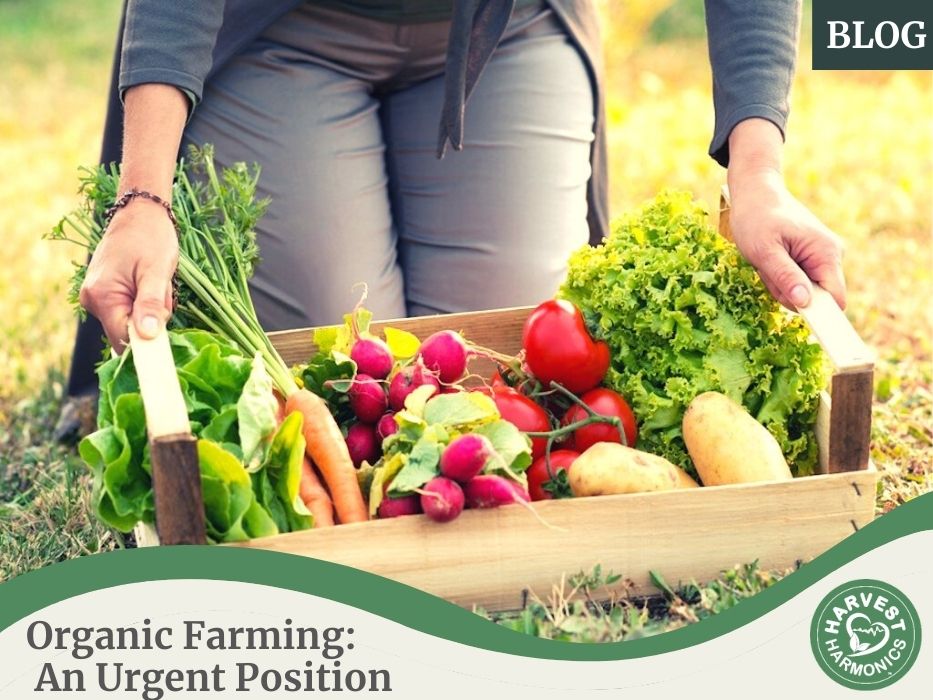
Although technology-induced farming is considered the go-to choice in today’s world in order to feed the increasing population, the exorbitant use of pesticides, herbicides, fertilizers, and other inputs are damaging and endangering all living things on Earth. Eco-friendly farming has emerged as the only answer to bring sustainability to agriculture by helping to reduce and restrict agrichemical application while building and restoring a healthier environment for the soil microflora, fauna, farmers, and of course the people who consume the produce.
Eco-friendly farming management depends on developing biological diversity in the field in order to disrupt and ultimately destroy the pest through natural organism competition. Additionally, another strategy is the proper management and replenishment of soil fertility. As previously stated, organic farmers are not allowed to use non-organic agrichemicals or synthetic fertilizers so sustainable solutions, such as the Kyminasi Plant Booster (KPB) must be utilized.
An essential characteristic of the organic farming system is designing and implementing a sustainable farm plan that incorporates the organic practices listed above when producing crops and livestock. It is important to keep a detailed record-keeping system for retaining organic certification that tracks all inputs used, as well as crops from the field to the point of sale. Maintenance of buffer zones is important to prevent accidental contamination of unapproved inputs from nearby fields. Another key factor is choosing crops that are most adapted to the local environment and that best tolerate the area’s specific climatic and environmental conditions. The plants chosen must be vigorous, healthy, and highly productive by nature.
The organic approach to farming and gardening recognizes that the whole environment in which plants grow is much more than the sum of its individual parts and that all living things are synergistic, interrelated, and interdependent. Farmers need to return to sustainable methods before the enormous amounts of agrichemicals applied to increase crop production permanently pollute Earth’s water, soil, and air to a point of no return. As farmers, we need to work to make the environment healthier for future generations. In fact, we may need all the land in significantly better environmental quality just to sustain the exponentially growing population of tomorrow.
It is important to provide plants with a balanced nutrient supply by enriching the soil with compost, manure, or other organic materials. Choosing renewable input sources for farms is a great method to reduce the environment’s pollution levels. These are just some examples of how to grow with organic strategies while improving the environment.
Farmers now have access to a sustainable new technology called the Kyminasi Plant Booster that helps plants by improving photosynthesis, increasing harvest yields, improving crop quality, and adding vigor and disease resistance while reducing the need for water, fertilizer, and agrichemical inputs. KPB even improves animal forage nutrient density and quality in order to boost milk and livestock yields and nutrient density. Kyminasi Plant Booster
(KPB) is biophysics applied to agriculture and the device contains microtransmitters that produce more than 3,000 natural frequencies found in nature. Using the KPB technology, plants all over the world have not only had their health enhanced but completely recovered and revitalized. KPB gives farmers more profit, better crops, less stress, and a healthier workspace while improving the environment and increasing the nutritional content of food for humans and animals worldwide.
Source: Singh, M. (2021). Organic farming for sustainable agriculture. Indian Journal of Organic Farming, 1(1), 1-8. Duran-Lara, E. F., Valderrama, A., & Marican, A. (2020). Natural organic compounds for application in organic farming. Agriculture, 10(2), 41.
Edited by: Keegan Nelson
Press Room
Agricultural Technology for Farmers in India
Harvest HarmonicsTM New Biophysics Agricultural Technology For Farmers In India The Agricultural Biophysics technology, 20…
1
Organic Earth Tech, OETI, Launches One Million Dollar Technology
After hurricanes Maria and Irma, Puertorrican farmers are yet to receive the needed aid to recover. Organic Earth Tech…
0
Produce More From Less
CEO Harvest Harmonics Frank Arlia speaking at Replenish. Earth interview by Tia Kansara – London Climate Action Week. How…
0
Replenish Earth and the Environmental RE Talk Series
Replenish Earth and the environmental RE Talk Series event that reunited the top thinkers in the world Harvest Harmonics…
1
Most Profitable Crops in The Short Term in 2022
Surely you have heard of profitable crops that are in fashion: pistachio, almond, olive groves in hedges, and more.. However , crops which ones allow you to recover the investment as quickly as possible? In this article, we analyze the most profitable crops in the short term in 2022!
Choosing profitable crops in the short term is not easy. This is because agriculture is not always an exact science and the forecasts of production and prices can be discupted at any time. Even so, when proposing a new agricultural investment, it is essential to be clear about how long it will take to amortize the famr expenses. Thus, we will provide some general points that you can consider when choosing which crop is going to make your land more profitable in the short term.
Almond cultivation: productivity and profitability in the short term
In recent years, much has been said about almond cultivation and new agricultural plantations of this type have proliferated in many regions. There has even been talk of the risk of a speculative bubble in almond cultivation. The truth is that there are different almond plantation systems, and each one has its advantages and disadvantages.
As an investment, it is clear that in order to obtain good short-term profitability results, it is necessary to opt for semi-intensive or super-intensive almond plantations. Entry into super-intensive production is achieved before semi-intensive. This is also noticeable in the period of recovery of the investment, although the initial investment is almost double in superintensive compared to the other system.
It is clear that the short-term profitability of almond cultivation has greatly improved, with all the technological advances and knowledge that are being carried out in this crop. This, apart from the attractive prices, makes it a profitable crop in a very interesting short term.
Super-intensive rainfed olive grove cultivation
As we have seen in the almond tree, super-intensive systems shorten the entry into production of crops, in addition to making them more productive. This allows them to be profitable crops in the short term.
Olive cultivation is another typically traditional crop that has been intensified to make it more profitable. When we talk about hedgerow olive groves, there are two key aspects that make it profitable:
Mechanization of tasks and reduction of production costs
High productions by reducing the plantation frames and obtaining more feet per hectare
To get to this second point, we all think that it is essential to have irrigation for the hedge system to be successful.
Is it possible to have olive groves in dry land?
Making a good management of the plantation design, the choice of the variety and the pruning, yes. There are numerous examples in the northwest of Spain and also in the south, which for a couple of decades have been shortening the olive grove plantation frameworks. It is even possible to successfully grow dryland olive groves with 500 mm annual rainfall.
The typical traditional 6 x 7 m frames have been replaced by 3.5 x 1.35 m frames with a hedge width of 60-80 cm.
The entry into production is done in a short time. After 3 years of planting we can have the first harvest, and in the fourth year we are already at the neutral point with the plantation amortized.
Obviously the long-term return is not going to be as great as an irrigated plantation. But we are talking about an acceptable return: without a lot of investment (cost of the 1st year around US$1,000/ha), and in relatively short terms (4-5 years) that cannot be achieved with other permanent crops.
Pistachio cultivation: profitable yes, but in the short term?
Another profitable crop in the short term is the pistachio, which can be very well adapted to our climates and for which high prices are also predicted for the coming years.
Its entry into production will depend on whether grafted or grafted feet are planted. In the first case, after 3 years the plants begin to produce, while in the second, it can take up to 7 years.
The return on investment in pistachio cultivation is a little longer (7-8 years). In this way, although it is a profitable crop, it is not in such a short period of time as we have seen in previous crops.
Good profitability in the short term with extensive crops
It is clear that the short-term profitable crops par excellence are annual or extensive crops, since each year one or two harvests can be made. However, in the long term, they will not bring us as much income as a plantation. But in some areas there is no other option than to choose annual crops to keep the farms going. What crops are more profitable in this situation?
Rainfed crops
There are typical cereal-growing areas where oilseed crops, which are generally destined for the production of bio-diesel, are very interesting options due to the high prices at which they are quoted: camelina and rapeseed can leave gross margins between 300 and 500 US$/ha.
Irrigated crops
In irrigated fields, the typical crops of cereal, forage or corn, the margins are increasingly tight and it is more difficult to convert them into profitable crops in a short time, due to the high prices of inputs (diesel, fertilizers, phytosanitary products) and low prices of the productions. For this reason, in this sector you can choose between two alternatives:
Continue with the same crops giving them additional value
Corn for human consumption instead of feed, quality wheat for bakeries, barley for malt. Normally, these alternatives involve making contracts with the company that buys the harvest, which guarantee a minimum price and advice during the crop cycle. Or even double crop corn and winter grain.
Change to more profitable alternative crops
Look for profitable alternatives to corn and change this crop for soybeans, replace cereals to grow horticultural products for canning industries (peas, tomatoes, beans, broccoli, etc.) or change typical forages for more productive ones such as siambasa grass.
Control your costs to know the profitability of your crops
Finally, whatever investment you are considering, it is essential to monitor it, but it is not enough to collect invoices and bank receipts.
To evaluate which crops are profitable in the short term, you have to know which plots and varieties are giving the best results, which tasks involve the most expense, such as the Return on Investment, and a long list of economic parameters to ensure success.
Source: Agroptima
Press Room
Agricultural Technology for Farmers in India
Harvest HarmonicsTM New Biophysics Agricultural Technology For Farmers In India The Agricultural Biophysics technology, 20…
1
Organic Earth Tech, OETI, Launches One Million Dollar Technology
After hurricanes Maria and Irma, Puertorrican farmers are yet to receive the needed aid to recover. Organic Earth Tech…
0
Produce More From Less
CEO Harvest Harmonics Frank Arlia speaking at Replenish. Earth interview by Tia Kansara – London Climate Action Week. How…
0
Replenish Earth and the Environmental RE Talk Series
Replenish Earth and the environmental RE Talk Series event that reunited the top thinkers in the world Harvest Harmonics…
1