logologo

  • Home
  • Products and Services
    • Crop Booster
    • Bio Booster
    • Yield Max Program
    • Book Pre-Sale Portal
  • Results
  • The Science
    • TRL9
    • Science Documents
    • Science Documents (Spanish)
  • About Us
    • Certifications and Awards Page
    • Our Blog
    • Harvest Harmonics Video Gallery
    • Frequently Asked Questions
  • Contact Us
    • Booking
    • We Are Hiring
    • Internships
  • Cart
2026-08-24by SebastianBlogHarvest Harmonics

Strawberry Production 2026: Industry News & Crop Results | Harvest Harmonics

Strawberry Production · Crop Results · 2026 Industry Update

Strawberry Production in 2026 Is Getting Interesting

Bigger berries. Shorter harvest intervals. Weather pressure. New artificial intelligence tools. Billions of dollars in U.S. production. Strawberry farming is changing quickly, and Harvest Harmonics has field results worth examining.

Explore Strawberry Results → Book a Free Farm Consultation
Strawberry Industry Data Updated August 2026
Explore Article U.S. Production Strawberry Results 2026 Industry News Free Consultation
Strawberry Farming

Strawberry Farming Is a High Speed Business

A strawberry looks simple in a clamshell. Producing it is anything but simple.

Strawberry growers are balancing fruit size, flavor, firmness, appearance, labor, disease pressure, weather, market timing and harvest frequency, often all at once.

That makes strawberries especially interesting when evaluating agricultural technology. A change in harvest timing, berry caliber, crop survival or production rate can matter throughout an entire growing season.

Harvest Harmonics has documented strawberry field cases in Ecuador, Peru and Botswana, including data involving fruit diameter, harvest timing, production rate and field observations under environmental stress.

At the same time, the strawberry industry is experiencing changes in production timing, disease management, forecasting technology and international competition.

U.S. Strawberry Production

A Multi Billion Dollar Crop

The latest USDA National Agricultural Statistics Service data show the scale of strawberry production in the United States, with California dominating national volume and Florida maintaining an important role in winter strawberry production.

31.27M
CWT Produced in the United States
USDA NASS · 2025 Production
3.127B
Pounds of Strawberries
Converted from USDA 31.27 Million CWT
62,000
Harvested U.S. Acres
USDA NASS · 2025
$4.398B
Value of Utilized Production
USDA NASS · 2025
California and Florida Strawberries

California Leads. Florida Owns an Important Winter Window.

California produced approximately 27.7 million cwt of strawberries in 2025, while Florida produced approximately 3.57 million cwt.

Based on USDA reported national production, California represented approximately 88.6% of the two state total, while Florida represented approximately 11.4%.

The states serve different seasonal roles. California supplies a large share of national strawberries, while Florida's production is particularly important during the winter market.

U.S. Strawberry Production
California vs. Florida
California 88.6%
Florida 11.4%
Calculated from USDA NASS reported 2025 production: California 27.7 million cwt and Florida 3.57 million cwt.
Harvest Harmonics Strawberry Crop Results

From Industry Data to the Field

Harvest Harmonics strawberry cases do not all measure the same variables. Some include numerical measurements. Others use historical comparisons or source reported field observations. Keeping those distinctions clear provides a more accurate picture of what each strawberry case actually shows.

Strawberry crop field at ESPOCH in Riobamba Ecuador using Harvest Harmonics Crop Booster
ESPOCH · Riobamba, Ecuador · July 2021

Strawberry Harvest Interval Reduced From 15 Days to 8

At the Polytechnic School of Chimborazo experimental strawberry fields, historical production was reported at 38 metric tons per hectare every 15 days.

With Kyminasi Plants Crop Booster, production was reported at 40 metric tons per hectare every 8 days.

The quantity produced per reported harvest increased by approximately 5.26%, while the harvest interval shortened by approximately 46.67%.

Reported Strawberry Harvest Interval
15 Historical Days
→
8 Crop Booster Days
+97.37% Calculated Production Rate Compared With Historical Field Performance

When normalized by time, the historical production rate is approximately 2.53 metric tons per hectare per day, compared with 5.00 metric tons per hectare per day under the reported Crop Booster performance.

That calculates to a 97.37% higher production rate.

This comparison uses historical field performance rather than a simultaneous untreated control plot.

Additional Strawberry Results

Berry Size, Development and Field Stress

Other Harvest Harmonics strawberry field cases document differences in berry diameter, fruit development and survival under reported frost conditions.

43 millimeter Crop Booster strawberry compared with 35 millimeter control strawberry in Peru
Peru · Strawberry Case · 2022

43 mm vs. 35 mm Strawberry Diameter

A documented Crop Booster strawberry measured 43 millimeters in diameter compared with 35 millimeters for the control comparison.

The 8 millimeter difference calculates to approximately 22.86% relative to the 35 millimeter comparison.

35
Control mm
43
Crop Booster mm
+22.86% Relative Diameter Difference

The case does not provide treatment wide average diameter, sample size or statistical analysis. The result therefore represents documented berry measurements rather than an average size increase across the crop.

Control strawberry plants compared with Crop Booster strawberry plants in Quito Ecuador
Quito, Ecuador · July to August 2020

Earlier Strawberry Fruiting Reported

Crop Booster was installed on a strawberry field in Quito on July 15, 2020.

Approximately one month later, treated plants were reported to begin producing fruit earlier than the comparison field.

The treated foliage was also described as brighter green and healthier looking during reported intense heat conditions.

~1 Month Time to Reported Visible Differences

Exact fruiting dates, yield values and quantitative plant health measurements were not supplied for this field observation.

Harvest Harmonics strawberry field observation at Motswedi Tlhomelang Farm in Botswana
Botswana · June 2023

Strawberry Plants Survived Reported Frost Conditions

At Motswedi Tlhomelang Farm, Crop Booster strawberry plants were reported to survive during observed frost conditions.

Comparison plants were reported to die within two weeks following transplanting.

Treated plants were also described as producing larger fruit and broader, deeper green foliage than in previous years.

Survived Crop Booster Plants · Field Observation

Temperature records, exact plant counts, replication and statistical analysis were not supplied. This case documents survival under the reported field conditions and should not be interpreted as a generalized frost resistance claim.

Strawberry Industry News · 2026

What Strawberry Growers Are Watching

Strawberry growers are operating in a market increasingly influenced by weather, market timing, disease forecasting, digital agriculture and international competition.

California · 2026 Season

California Entered 2026 With an Early, Heavy Crop

University of California agricultural market analysis reported that California's 2026 strawberry season moved unusually early following warm and dry winter conditions.

The California Strawberry Commission projection cited in the analysis placed 2026 acreage at approximately 43,726 acres, about 2% above the prior season projection.

Source: University of California Agriculture and Natural Resources · June 2026
California · August 2026

Moisture Continues to Challenge Strawberry Quality

Produce industry reporting in August described persistent moisture around Watsonville and Salinas that interrupted harvesting and affected strawberry quality.

The report placed the Watsonville and Salinas season late in its production cycle as the industry moved toward fall supply.

Source: FreshPlaza · August 2026
Florida · June 2026

Artificial Intelligence Is Entering Strawberry Forecasting

University of Florida researchers are developing tools that combine drone imagery and computer vision to identify individual strawberry plants and count fruit, flowers and runners.

The tools were evaluated during the 2025 to 2026 season on research and commercial farms.

Researchers reported encouraging plant segmentation while noting that fruit and flower counting still requires refinement.

Source: University of Florida IFAS · June 2026
Florida · Disease Management

Disease Forecasting Is Becoming More Important

University of Florida research has highlighted how wet conditions can increase strawberry disease pressure, including Botrytis fruit rot.

Disease alert systems are being developed to help growers improve timing of management decisions instead of relying only on fixed application schedules.

Source: University of Florida IFAS
United States and Mexico · 2026

Winter Strawberry Trade Is Under Increased Scrutiny

Trade proceedings involving fresh winter strawberries imported from Mexico have become another issue affecting the North American strawberry market.

Preliminary findings remain part of an ongoing process and should not be interpreted as the final outcome of the proceeding.

Source: U.S. trade proceedings and Reuters reporting · 2026
Florida · USDA Production Data

Florida Remains a Major Winter Strawberry Producer

USDA reported approximately 17,000 harvested strawberry acres in Florida for 2025, producing approximately 3.57 million cwt.

The reported value of utilized Florida strawberry production was approximately $714.5 million.

Source: USDA National Agricultural Statistics Service · 2025
Strawberry Farming Performance

Strawberry Growers Are Chasing More Than Yield

The current strawberry industry makes one thing clear: performance cannot be judged by one production number alone.

Growers care about production per acre, harvest timing, berry size, marketable quality, labor efficiency, disease pressure and consistency.

An early crop can create opportunity and market pressure at the same time. Larger fruit matters only if overall crop performance remains strong. Faster harvest cycles can be valuable, but the underlying production figures must be interpreted correctly.

That is why Harvest Harmonics presents strawberry results case by case, separating numerical measurements from historical comparisons and field observations.

Strawberry and Berry Growers

Let's Talk About Your Strawberry Operation

Every strawberry farm has different varieties, weather conditions, acreage, irrigation, harvest windows and production challenges.

Harvest Harmonics offers a free farm consultation to discuss your operation and evaluate whether Crop Booster, Bio Booster or another Harvest Harmonics approach deserves a closer look.

Book a Free Farm Consultation → View Strawberry Crop Results Explore Crop Booster Explore Bio Booster
Harvest Harmonics Resources

Explore More Crop Results and Farming Technology

Continue exploring Harvest Harmonics strawberry results, agricultural case studies and crop technologies.

Strawberry Results

Explore the full collection of Harvest Harmonics strawberry field cases.

View Strawberry Results →

Agricultural Case Studies

Explore crop results across different countries, climates and agricultural systems.

Explore Crop Results →

Crop Booster

Learn more about the Harvest Harmonics Crop Booster technology used in these strawberry field cases.

Explore Crop Booster →

Free Farm Consultation

Talk with Harvest Harmonics about your strawberry, berry or specialty crop operation.

Book Your Consultation →

Data and Source Transparency

Harvest Harmonics Strawberry Results

Harvest Harmonics strawberry results in this article are presented according to the available underlying measurements and field descriptions. Numerical percentages were calculated from the reported source values where appropriate.

Strawberry Industry Information

Industry context was reviewed using USDA National Agricultural Statistics Service, University of California agricultural research and market reporting, University of Florida IFAS research and current strawberry industry reporting.

Harvest Harmonics strawberry case results reflect individual farms, crops, growing conditions and reporting methods. Some results are direct measurements, while others use historical field comparisons or field observations. Results can vary and should not be interpreted as a guarantee of identical outcomes. The ESPOCH production comparison uses historical field performance rather than a simultaneous untreated control. The Peru fruit size result represents documented berry measurements and not treatment wide average fruit diameter. The Botswana case documents survival under the reported conditions of that individual field case and does not establish generalized frost resistance. Industry information reflects data and reporting available during 2026 and can change as new production data and market information become available.

Read More
2026-08-21by SebastianBlogHarvest Harmonics

Bio Booster: Beneficial Bacteria + Mycorrhizae for Modern Farming | Harvest Harmonics

Home / Blog / Beneficial Bacteria & Mycorrhizae
Biological Farming · Harvest Harmonics Bio Booster

Beneficial Bacteria + Mycorrhizae for Modern Farming

Beneficial bacteria and mycorrhizae are part of the microscopic biological system surrounding every crop. Harvest Harmonics Bio Booster brings both together in an ultra-concentrated agricultural formulation designed to support root biology, soil activity and the wider crop environment.

Explore Bio Booster → Book a Free Farm Consultation

Biological performance varies according to crop, climate, soil, irrigation, application method and farm management. Results are not guaranteed.

Harvest Harmonics Bio Booster with beneficial bacteria and mycorrhizae for agricultural crops
1.43 Trillion Bacterial CFU Per Gram
1.89 Million Mycorrhizal Propagules Per Gram
1.43 × 10¹²
Beneficial Bacterial CFU Per Gram
+
1.89 Million
Mycorrhizal Propagules Per Gram
Root + Leaf
Biological Crop Support
Beneficial Microorganisms in Agriculture

The Living Biology Behind Every Crop

A farm is much more than plants growing in soil. Beneath and around every crop is an active biological environment involving roots, water, nutrients, bacteria, fungi and organic compounds.

Beneficial bacteria can participate in processes occurring around roots, nutrients, soil and plant surfaces. At the same time, mycorrhizal fungi can associate with compatible roots and develop microscopic networks extending into the surrounding soil.

Bio Booster was developed around this broader biological view of agriculture.

Rather than building a formulation around one isolated organism, Harvest Harmonics combines beneficial bacteria and mycorrhizae in a concentrated biological community designed around complementary roles throughout the crop environment.

The result is a different way of looking at crop biology: plant + roots + soil + microorganisms as one connected system.

Farmers who want the full product specifications can visit the Harvest Harmonics Bio Booster page .

Agricultural Microbes

Different Microorganisms. Different Biological Roles.

Soil biology is not built around one microorganism doing everything. Different organisms occupy different parts of the plant and soil environment. Bio Booster is designed around a community approach, bringing beneficial bacteria and mycorrhizal fungi together within one agricultural formulation.

BIO BOOSTER Connected Biological Community
Nutrient Cycling
Root Interaction
Mycorrhizal Network
Soil Biology
Plant Surfaces
01

Beneficial Bacteria

Different bacterial groups can participate in biological cycling, nutrient transformation, root interactions and microbial activity around plant surfaces.

02

Mycorrhizal Fungi

Mycorrhizal fungi colonize compatible roots and can develop microscopic filaments called hyphae that extend into surrounding soil.

03

Rhizosphere Biology

The rhizosphere is the active zone around plant roots where soil, nutrients, water and microorganisms continuously interact.

04

Plant-Surface Biology

Leaves and stems also contain microbial environments that form part of the larger biological system surrounding a crop.

Soil Biology · Root Biology · Plant Biology

From the Phyllosphere to the Rhizosphere and Beyond

Biological farming extends beyond the visible plant. Bio Booster is designed around interconnected biological environments above the soil, around the roots and within the microscopic fungal network extending into surrounding soil.

01

Phyllosphere

The phyllosphere is the biological environment found across leaves, stems and other above-ground plant surfaces. These surfaces form part of the wider microbial ecosystem surrounding a crop.

Above the Soil
02

Rhizosphere

The rhizosphere is the biologically active zone surrounding plant roots where roots, microorganisms, soil particles, nutrients and water interact.

Around the Roots
03

Mycorrhizal Network

Mycorrhizal fungi associated with compatible roots can develop microscopic hyphae extending into soil spaces beyond the immediate root surface.

Beyond the Root Surface
Ultra-Concentrated Agricultural Biology

1.43 Trillion Bacterial CFU Per Gram

Bio Booster is an ultra-concentrated biological formulation containing approximately 1.43 trillion bacterial CFU per gram.

The same formulation also contains approximately 1.89 million mycorrhizal propagules per gram.

These figures represent two separate biological measurements. Bacterial populations are expressed as colony-forming units, or CFU, while mycorrhizae are expressed as propagules.

Keeping these units separate matters because bacteria and mycorrhizal fungi are different biological components with different forms and functions.

Powerful Biology
Starts at the
Microscopic Level.
1.43T Bacterial CFU Per Gram
1.89M Mycorrhizal Propagules Per Gram
Biological Farming Programs

Bringing Beneficial Microbes Into the Farm Program

Every farm has different crops, soils, irrigation systems and biological conditions. For that reason, Harvest Harmonics builds Bio Booster recommendations around the actual operation rather than applying one universal program to every farm.

01

Root-Zone Programs

Bio Booster can be incorporated into agricultural programs designed to introduce beneficial biological activity into the environment surrounding the root system.

02

Foliar Programs

Biological programs can also include plant surfaces, extending the biological strategy beyond the soil and root environment.

03

Commercial Agriculture

Program recommendations can be developed around crop type, acreage, irrigation, application method and the specific goals of a commercial farm.

Harvest Harmonics Crop Solutions

Bio Booster + Crop Booster: Two Different Approaches

Harvest Harmonics offers two distinct agricultural technologies. Bio Booster focuses on the biological community surrounding the crop, while the Kyminasi Crop Booster works through irrigation as a separate bio-energetic crop-performance technology.

Harvest Harmonics Bio Booster beneficial bacteria and mycorrhizal fungi product

Bio Booster

A concentrated agricultural biological formulation combining beneficial bacteria and mycorrhizal fungi to support the living crop environment.

Explore Bio Booster →
+
Harvest Harmonics Kyminasi Crop Booster agricultural irrigation technology

Kyminasi Crop Booster

A separate bio-energetic technology designed to work through the farm's irrigation system to support crop performance.

Explore Crop Booster →
Biological Agriculture Is Farm Specific

Every Farm Has Its Own Biological Environment

Beneficial microorganisms operate inside complex agricultural systems.

Crop variety, climate, soil conditions, irrigation, existing microbial populations, nutrient programs, application timing and farm management can all influence biological performance.

That is why Bio Booster is not positioned as a one-size-fits-all farm recommendation.

Start with the crop. Understand the farm. Then build the biological program.

Free Farm Consultation

Build a Biological Program Around Your Farm

Tell Harvest Harmonics what you grow, your acreage, irrigation system and the challenges affecting your operation.

Our team can review your farm and help determine whether Bio Booster, Crop Booster or a combined strategy is appropriate for further discussion.

Book a Free Farm Consultation → Explore Bio Booster View All Crop Solutions
Agricultural Resources

Explore More Harvest Harmonics Technology and Results

Continue exploring biological agriculture, crop-performance technology, field results and Harvest Harmonics science.

Bio Booster

View Bio Booster specifications, biological components and current farm-program information.

Explore Bio Booster →

Agricultural Case Studies

Explore Harvest Harmonics crop results and field cases from farms around the world.

Explore Results →

Crop Booster

Learn about Harvest Harmonics' irrigation-based Kyminasi Crop Booster technology.

Explore Crop Booster →

The Science

Explore the scientific concepts and research supporting Harvest Harmonics agricultural technologies.

Explore the Science →

Bio Booster specifications and product information reflect current Harvest Harmonics materials. Agricultural performance can vary according to crop, climate, soil, irrigation, application method, existing biological conditions, farm management and other growing factors. Product performance and financial outcomes are not guaranteed. Bacterial CFU and mycorrhizal propagules are separate biological measurements and are presented separately.

Read More
2026-08-16by SebastianBlogHarvest Harmonics

U.S. Farm Case Studies: Real Crop Results | Harvest Harmonics

Harvest Harmonics · U.S. Agricultural Case Studies

U.S. Farm Case Studies: Real Results From the Field

From Washington tomatoes and peppers to California plums and dragon fruit, Harvest Harmonics field cases show how Crop Booster has been evaluated across different U.S. crops, climates and farming conditions.

Explore All Crop Results → Book a Free Farm Consultation →

Results in this article come from individual field cases. Crops, conditions, management practices and outcomes can vary by operation.

U.S. Crop Results

Forget the Theory for a Minute. Let's Go to the Farm.

Agriculture has no shortage of promises. Higher yield. Better crop quality. Fewer inputs. Stronger plants.

The more useful question is: what actually happened when the technology reached the field?

Harvest Harmonics has accumulated agricultural case studies from farms across the United States, including Washington, California and Florida. These cases cover crops such as tomatoes, peppers, squash, dragon fruit, plums and mixed plants.

Some cases focus on production. Others examine fruit quality, soil measurements, propagation speed, plant development, crop inputs or responses under stressful growing conditions.

Together, they offer something more useful than a slogan: real field observations and measurements farmers can investigate.

Jump To Washington California Florida Free Consultation Book Pre-Sale
17–22

Brix Reported in California Plums

+47%

Reported CEC Increase in Washington Tomato Soil

15–20

Peppers Reported Per Plant at Edible Acres

+15%

Reported Squash Production vs. Previous Years

Washington Farm Case Studies

Washington Put Crop Booster Through a Workout.

Washington produced some of Harvest Harmonics' most varied U.S. agricultural observations: tomatoes under disease pressure, peppers with high Brix, rapidly growing squash and measurable changes in soil Cation Exchange Capacity.

Heirloom tomato plants in a Harvest Harmonics Crop Booster case study at Edible Acres in Tonasket Washington
Edible Acres · Tonasket, Washington · 2017

Heirloom Tomatoes: The Plants That Made It Through

At Edible Acres in Tonasket, Washington, heirloom tomatoes treated with Crop Booster went through a period of low light combined with a reported fungal attack.

According to the field case, all untreated control plants died while all treated tomato plants survived.

When light levels improved approximately two weeks later, the surviving treated plants resumed growth and began producing healthy fruit.

The fungal organism, exact plant count and disease-severity measurements were not supplied, so the result is best understood as a field survival observation rather than a universal disease-resistance claim.

All Survived Treated tomato plants · source-reported field observation
Washington tomato field soil Cation Exchange Capacity Crop Booster case study
Washington · Tomatoes · 2017

What Happened Below Ground?

An eight-week Washington tomato soil analysis began with an initial Cation Exchange Capacity measurement of 18.3 meq per 100 grams of soil.

The case reported an 8.6 meq/100 g improvement, mathematically equivalent to approximately 47% relative to the initial measurement.

+47%
Reported CEC Increase Relative to Initial Measurement
Squash plants in a Harvest Harmonics Crop Booster case study in Tonasket Washington
Tonasket, Washington · Squash

Five Weeks. A Lot of Squash Vine.

In another Washington Crop Booster case, squash vines reportedly grew beyond the planting rows after only five weeks.

Production was reported at approximately 15% above previous years, while upward vine growth reached roughly three feet.

+15%
Reported Production vs. Previous Years
Edible Acres · Washington · Peppers

And Then There Were the Peppers.

A Washington pepper case reported 15–20 peppers per plant, with approximately 80% fully grown.

Brix was reported at 10 compared with the farm's normal range of approximately 5–7.

Plants were also reported to continue blooming with woody stems late in the production period.

10 Brix
Compared With Reported Normal Range of 5–7
California Farm Case Studies

Faster Growth Meets Fruit Quality in California.

California Harvest Harmonics cases show another side of agricultural performance: propagation speed, crop quality and reduced crop-input applications. Two particularly interesting examples came from dragon fruit and plums.

California · Dragon Fruit · July 2020

What If Dragon Fruit Propagation Didn't Take So Long?

In a California dragon fruit case, Crop Booster-treated plants reportedly moved through propagation substantially faster.

One-gallon plants reached transplant size in roughly 2–3 weeks compared with 5–6 weeks.

Five-gallon plants reached the target stage in approximately 5 weeks compared with 10 weeks.

Rooting was also reported faster, while overall plant growth was described as approximately 100% greater.

2–3 wks 1-Gallon Treated Plants
5–6 wks Comparison Timing
5 vs. 10 Weeks for 5-Gallon Plants
California plum field case showing Harvest Harmonics Crop Booster results
California · Plums · July 2020

Sweeter Plums. Fewer Applications.

In a California plum case, fruit from the treated field was reported at 17–22 Brix compared with the farm's normal range of approximately 15–17.

The case also reported one crop-input application compared with three or more normally used, representing at least 66.7% fewer applications.

Estimated input savings were approximately $74 per acre.

17–22 Reported Brix
1 vs. 3+ Applications
~$74 Estimated Input Savings / Acre
Florida Farm Case Study

Sometimes the Interesting Result Isn't Yield.

A Florida observation involving wheatgrass, cucumber and periwinkle took place during an unusual period surrounding Hurricane Irma. The case did not produce a measured yield comparison, but the reported plant response was still notable.

Florida wheatgrass cucumber and periwinkle Crop Booster field observation
Florida · Mixed Plants · August 2017

A Florida Field Observation After Hurricane Irma

Wheatgrass, cucumber and periwinkle were included in a Florida comparison involving approximately ten seeds per variety per planter.

Following Hurricane Irma, the plants were reportedly unattended for five days.

The source described control plants as having extremely heavy insect presence, while Crop Booster plants were described as practically free of insects.

No insect counts, yield measurements or statistical analysis were supplied, so Harvest Harmonics presents this strictly as a qualitative field observation.

Field Observation Strong reported difference in insect presence
Understanding Farm Case Studies

What These U.S. Cases Tell Us — and What They Don't.

Farm case studies are useful because they show what happened under real growing conditions.

They are not all identical to large replicated scientific trials, and not every historical Harvest Harmonics case collected the same level of data.

When raw treatment and control values are available, we compare them. When a result is historical, estimated or observational, it should be identified that way.

That doesn't make the results less interesting. It makes the next question more useful: what could happen with your crop, your irrigation system and your farm management program?

You can explore additional crops, countries and field results on the Harvest Harmonics Results page.

Free Farm Consultation

Now Let's Talk About Your Farm.

Reading case studies is useful. Finding out whether Harvest Harmonics technology makes sense for your own operation is better.

Harvest Harmonics offers a free farm consultation. Tell our team what you grow, your acreage, irrigation system and what you want to improve.

Whether the goal is higher production, improved crop quality, stronger plant development, reduced farm inputs or simply learning more about our technologies, the conversation starts with your farm.

Book Your Free Consultation → Explore Crop Booster Explore Bio Booster View All Crop Solutions
Rich Farmer Poor Farmer The Undiscovered Truth About Citrus Greening book by Frank Arlia Jr
New From Harvest Harmonics

Rich Farmer, Poor Farmer

The Undiscovered Truth About Citrus Greening by Frank Arlia Jr. is now available for pre-sale.

The book takes a deeper look at citrus greening, the questions growers are asking and the path Harvest Harmonics believes deserves serious consideration.

Low-Risk Pre-Sale: Purchase the book and read it. If you do not believe it presents a genuine path forward for citrus greening, contact us for a full refund. Keep the book. No questions asked.
Explore the Book Pre-Sale → Talk With Our Team
Harvest Harmonics Resources

Where Do You Want to Go Next?

Dig deeper into our agricultural field results, explore the technologies, watch farmer conversations or tell us about your operation.

U.S. & Global Crop Results

Explore Harvest Harmonics case studies across different crops, countries and production systems.

Explore Results →

Free Farm Consultation

Tell us your crop, acreage, irrigation system and goals and talk directly with our agricultural team.

Book Free Consultation →

Crop Booster

Learn more about Harvest Harmonics Crop Booster technology and how it integrates with irrigation systems.

Explore Crop Booster →

Bio Booster

Explore our biological formulation combining beneficial bacteria and mycorrhizae.

Explore Bio Booster →

Rich Farmer, Poor Farmer

Learn about Frank Arlia Jr.'s new book on citrus greening and explore the pre-sale offer.

View Book Pre-Sale →

Watch Harvest Harmonics

See farmer conversations, field videos, interviews, technology updates and crop results.

Visit YouTube →

Crop Solutions

Compare Harvest Harmonics technologies and find the right starting point for your farm.

Explore Crop Solutions →

Contact Harvest Harmonics

Have a specific question about a crop, technology or agricultural project? Contact our team directly.

Contact Us →

Case-study results presented in this article reflect individual farms, crops, growing conditions and reporting methods. Some cases include measured treatment-versus-control data, while others are historical comparisons or field observations. Results can vary and should not be interpreted as a guarantee of identical outcomes on other farms. Individual Harvest Harmonics case-study pages provide additional context regarding available measurements, methodology and limitations.

Read More
2025-07-30by SebastianBlog

2025 Breakthroughs in Crop Performance: Harvest Harmonics’ Science Studies Around the Globe

At Harvest Harmonics, 2025 has been a year of exciting scientific progress and validation for our Kyminasi® Crop Booster™ technology. Across multiple continents—from the experimental fields of India and Nepal to the farmlands of Morocco—our research teams have rigorously tested Kyminasi’s impact on a variety of crops under real-world conditions, often under water stress and other challenges.

Here’s a detailed look at the highlights from our global science studies this year:

Defying Water Stress in Morocco: Maize’s Resilience Boosted

In January 2025, our trials in Meknès, Morocco, focused on maize variety LG31695 grown on 0.33 hectares. The study evaluated the combined effect of deficit irrigation and Kyminasi Crop Booster™ water under varying water stress. Results were striking:

  • Under 40% water stress, maize irrigated with Kyminasi water showed a 27.1% yield gain compared to control.
  • Higher proline content in Kyminasi-treated plants indicated enhanced resilience to drought, salinity, and water stress.

Eastern India’s Pepper Progress: Heavier, Taller, More Productive

At Centurion University, Odisha, several studies in 2025 explored Kyminasi’s benefits on bell peppers, cucumbers, bitter gourd, eggplants, and bottle gourd using drip irrigation systems:

  • Bell Peppers: Kyminasi-treated peppers were 37% heavier, with a 15.6% increase in per-plant yield and 10.2% taller plants. Fruit circumference increased by 17.2%, and harvest cuttings per season rose 9.1%.
  • Additional bell pepper metrics showed a 23% increase in plant height, 3.4% more fruits per plant, 12.5% higher vegetation index (NDVI), and 62% heavier fruits.
  • Eggplants: Plants were 37% taller, fruits were up to 32% larger without any additional chemical inputs.
  • Cucumbers: Kyminasi-treated plants were 10% taller, with fruits 14% longer, 23% heavier, and displaying more uniform shapes.
  • Bitter Gourd: Plants grew 10% taller, had 27% greener leaves, and fruits were 25% longer and 41% heavier with fuller shapes.
  • Bottle Gourd: Fruits were 9% longer, 20% larger in circumference, fruit count increased by 26%, with seeds weighing 11% more on average.

All these improvements were observed without any extra chemical or non-chemical boosts, highlighting Kyminasi’s unique plant-enhancing properties.

Nepal’s Potato Gains: Boosting Yield by Over a Quarter

In the Sunsari district of south-east Nepal, Kyminasi-treated potatoes (Pokharaj variety) produced a remarkable 27% higher yield than the control group, reinforcing the technology’s promise for staple root crops.

Maize Growth Under Stress: Robust Plants Without Extra Inputs

Further trials at Centurion University examined maize under a gradient of stress levels (0% to 100%) in May 2025:

  • Kyminasi-treated plants exhibited taller growth, bigger leaves, and more dry matter, particularly in 10-55% stress conditions.
  • Above-ground biomass and rootzone development were significantly improved.
  • Denser, greener vegetation was visible across all stress levels 45 days after seeding.

The Bigger Picture

Our 2025 studies show consistent, repeatable improvements in crop yield, growth parameters, stress tolerance, and fruit quality across diverse environments and crop types. Kyminasi Crop Booster™ acts as a powerful ally for farmers aiming to increase productivity sustainably, especially under challenging conditions like water scarcity and soil salinity.

Importantly, all these gains were achieved without additional chemical or non-chemical inputs, underscoring the natural, plant-compatible enhancement Kyminasi provides.

Looking Ahead

We’re energized by these findings and committed to expanding our research footprint globally. Our mission is to empower growers worldwide with innovative solutions that nourish plants, protect ecosystems, and contribute to food security.

If you want to learn more or explore how Kyminasi can improve your fields, visit our Results page or schedule a free consultation with our COO Jim Kurtz here.

Wheatgrass

Wheat

Watermelon

Turmeric

Tomatoes

Tangerines

Sugar Cane

Strawberries

See More

Read More
2025-04-29by SebastianBlog

Bigger Peppers, Better Planet

Bigger Peppers, Better Planet: India Trial Proves Kyminasi Leads in Responsible Stewardship

At Harvest Harmonics, we love a good comeback story — and this one’s all about soil regeneration, bell peppers, hardworking farmers, and the promise of a better tomorrow. In a groundbreaking field trial conducted at Centurion University of Technology and Management in Odisha, India, our Kyminasi® Plants Crop Booster™ (KPCB) proved once again that the future of farming — and responsible stewardship of the land — is here.

👨‍🔬 The Science Behind the Soil
The trial, available here, was led by Dr. Ashirbachan Mahapatra and Master’s student Subhankar Das. It wasn’t just another experiment — it was a celebration of farmers, scientists, and agricultural technology working hand in hand to heal the Earth. Using a drip irrigation system with polythene mulch — and most importantly, Kyminasi-treated water — researchers saw incredible improvements in plant growth, soil fertility, and crop yield, strengthening the foundation for a more sustainable future for farmers everywhere.

📊 Bell Pepper Wins: The Juicy Results
Let’s talk numbers — and let the peppers do the bragging:

  • 🌱 Plant height up by 16.9%

  • 🍽️ Fruits per plant increased by 10.2%

  • 🌿 Chlorophyll content up 8.1% (thanks to healthier plants and a thriving soil microbiome)

  • 🫑 Fruit weight soared by 37%

  • 🌟 Aroma and luster improved by 31% and 21%, respectively

And with 15.6% more yield per plant, these nutrient-rich bell peppers are a win for farmers, food systems, and communities alike. That’s nutrient-dense food production made possible with plant biostimulants — and zero chemicals.

🌎 Innovation Meets Stewardship
At the heart of this agricultural transformation is Fulvio Balmelli, the inventor of the Kyminasi technology. His vision: to restore harmony between nature, farming, and farmers themselves — using non-invasive, low-energy tech that enhances nutrient uptake, boosts yields, and supports soil restoration.

Each science trial validates what Fulvio set out to do: provide technologies that empower farmers, promote responsible stewardship of the land, and protect future generations.

🌱 Why This Matters
This isn’t just about bigger peppers. It’s about building a world where farmers are respected stewards of the land.
It’s about:

  • Water conservation through efficient irrigation systems

  • Sustainable agriculture that reduces chemical dependency

  • Promoting food sovereignty by empowering farmers

  • Healing our Earth through organic agriculture and soil restoration

  • Advocating for more rights and fewer regulations for farmers

Farmers are the backbone of humanity’s survival — and when we honor and support them, we all thrive.

🎉 A Global Movement Rooted in Science and Respect
We’re not just watching change happen — we’re making it happen, alongside farmers and scientists worldwide. At Harvest Harmonics, every new trial reinforces what we know in our roots: Kyminasi Crop Booster isn’t just the future of farming — it’s the future of responsible stewardship and a healthier planet.

Stay tuned for more stories from the field, and if you’re as excited as we are about the future of agriculture, join the movement.

Because this is just the beginning.
— Team Harvest Harmonics

Read More
2024-03-21by SebastianBlogUncategorized

Summer Citrus Success: KR Citrus Doubles Young Orange Tree Growth with KPB Technology!

Porterville, California (July 2020)

– It’s a summer of sunshine and citrus triumphs in Porterville, California, thanks to KR Citrus, a local grower specializing in navel and Valencia oranges. This season, they’ve achieved remarkable results using innovative Kyminasi Plant Booster (KPB) technology, paving the way for a future filled with “Summer Citrus Success.”

Doubling Down on Growth: Young Trees Thrive in Record Time

KR Citrus implemented KPB with a specific goal: accelerate the growth of their young orange trees. The results were beyond expectations. After just six weeks of watering with KPB, owner Jim Reed noticed a dramatic difference in the size and canopy density of his one-year-old trees compared to untreated trees. In fact, these young KPB-treated trees were even more developed than his neighbor’s two-year-old trees! This translates to a 100% faster growth rate, effectively doubling the growth speed – a game-changer for any citrus grower seeking “Summer Citrus Success.”

KPB: Scientifically-Backed Benefits Beyond Growth Acceleration

KR Citrus’ experience is just one example of the many successes achieved with KPB. Our scientific research consistently backs these positive results. Studies conducted in other parts of the world have shown promising results in:

  • Pest Reduction: A lemon farm in Olmos, Peru, using KPB, saw a significant decrease in leaf screwworm infestation, indicating increased pest resistance.
  • Enhanced Root Development: The same Peruvian study also revealed that KPB-treated lemon trees had larger and more developed root systems, crucial for overall plant health and a key factor in long-term “Summer Citrus Success.”
  • Yield Increase: In Colombia, KPB technology boosted Tahiti lime yields by an impressive 55% compared to untreated fields.

Unlock Your Own Summer Citrus Success Story

KR Citrus’ success story is a shining example of the potential of KPB technology to unlock “Summer Citrus Success” for growers everywhere. Are you a citrus grower looking to achieve faster growth, improved plant health, and potentially higher yields? Head over to our shop at boostergarden.com to explore how Kyminasi Plant Booster can revolutionize your citrus operation! Schedule your free Zoom appointment today to learn more about KPB and how our scientifically-backed approach can help you achieve your own summer citrus triumphs. Visit Our Science page for more results on all the crops.


https://www.harvestharmonics.com/wp-content/uploads/2024/03/WhatsApp-Video-2024-03-21-at-12.24.38.mp4


Read More
2023-04-20by Sebastian CaravalloBlog

Lava Terrace and Harvest Harmonics

by LD Sledge

“I had the pleasure and good fortune to meet and interview Duane and Dina Barker, two extraordinary people whom I consider models for creativity and survival.

Where they are today and how they got here.

In 2020 they entered their first two wine competitions resulting in six medals and international recognition.

At the 2020 Sunset International Wine Competition, Lava Terrace Cellars received silver medals for its 2017 Barrel Aged Marechal Foch and 2018 La Crescent. The 2020 San Francisco International Wine Competition awarded silver medals for its 2018 Reserve – One Barrel Marechal Foch and 2019 Marquette, and bronze medals for its 2018 and 2019 La Crescent. (Lifted from Lava Terrace Cellar’s Website)

Since that last report above, they won 9 medals out of 11 entries. The latest was the Newport Seafood and Wine festival. They also won a Silver medal 2020 Marechal Foch… 2021 Marquette Rose.

How did they get to this place in the wonderful world of wine.

Duane was born in 1955 and grew up in Carmichael, a Sacramento suburb. He worked with his dad in Coca Cola in high school and after graduation drove a Coke route for three years. Later he was offered a position as branch manager with the company in Bend Oregon but didn’t care for the executive corporate life. Later he and his wife Dina started a promotion company https://BrillianceinBranding.com, which took off.

Evolution

They bought five acres in the Bend area, the dry side of the beautiful Cascades. At a 3500 foot elevation these five acres were in an arid land of sage, volcanic outcroppings and lava soil composition.  They saw potential at being what was the best life they could live as independent people with a sustainable lifestyle. This doesn’t mean “off the grid,” but as close as he could get and still manage their branding business and stay connected to modern conveniences and contribute to society.

Sustainable Living and Farming

The Definition of Sustainable Living: It is the practice of making conscious lifestyle choices that reduce a person’s impact on the environment. Individuals who embrace sustainable living philosophies aim to reduce their carbon footprint and conserve Earth’s resources.

He expanded this to the ability of his farm system to produce food and other products indefinitely without damaging or depleting the resources on which it depends.

These goals and practices are more than just noble. They make infinite sense and can mean the survival of the species by keeping our land alive, and not murdered by chemicals such as fertilizers and poisonous insecticides and weed killers such as Round Up. Duane is almost religious in his desire to leave as small a “carbon footprint” as possible. Carbon footprint is “a measure of the amount of carbon dioxide and other carbon compounds emitted due to the consumption of fossil fuels by a particular person, group, etc.”

And he achieved this goal. As a result the land is enriched and all things recycled and rotated and made better and better.

His Sustainable Farm

Forty eight solar panels were installed so they were independent of major external energy sources for lighting, etc. A dozen head of cattle, 21 chickens and four pigs and a large garden was a good start. They grew potatoes, corn, asparagus, cucumbers, peppers, beets, squash, broccoli and carrots. It is a very short growing season, so he had to really work these plants to make them produce. The sustainable farm was sustaining happily.


Grapes

Duane says:

“We did not get into the wine business as a goal… it happened like this.  We have always tried to grow / raise our own food. Gardens, cows, chickens, pigs etc.  My neighbor asked me if I wanted to go learn about wine grapes at an OSU extension outreach meeting at the first vineyard put in in our area.  I went along, told my wife about it and she said, ‘great, I will order some vines’.  Twenty-five Pinot Noir, 25 Marechal Foch. I planted them in an area that was not used for anything else, rocky desert ground …. 3 years later, I had grapes. I did not know much at all about growing grapes but figured it out as I went along.  YouTube, podcast etc. I caught the wine bug. I bought a small compact Kubota Tractor back in 2014 and have been planting vines ever since.   From those first 50 vines, we are now around 4000 on 5 acres.  5 varieties.  I have learned how to do all the steps in the vineyard to grow these grapes successfully over the last  10 years.”


They rolled the dice. They knew they would take a long time to make a successful crop of grapes, usually 6 or 7 years.  But they instinctively knew that they could, and would, make it happen.

Lava Terrace Cellars was born. www.Lavaterracecellars.com)


Hybrid Grapes

Having made a study of what might work at this altitude and in this soil, in 2012 they chose two hybrid varietals, Marechal Foch and Pino Noir. Loving the taste and romance of wine history, Duane and Dina knew the old standards used in France with a regular predictable environment and temperature would not make it in their climate and soil, but varietals were hardy and had a chance of survival. They were aware that the horrendous polar vortex could mean devastation, but they took a shot anyway.  Sure enough, Marechal Foch flourished and only 4 of the Pinot made it and those 4 are still making good wine.

More vines added in 2014

Next, in 2014, they added La Crescent, Brianna, more Marechal Foch and Marquette, amounting to 4000 vines, and since they haven’t looked back. They enhanced the new Vineyard area by putting in a drip system, rich compost, strong posts, and everything needed to convert the sage, lava rocks and poor earth to the ideal in grape cultivation. The pigs and chickens were allowed to rove the vineyard.  They served to keep it weed and insect free and fertilized the area.

Crop Booster™ Is Introduced

Wanting to constantly improve all phases of anything they create, they decided to take a chance on the raves they read about Harvest Harmonics’ innovative product, the Crop Booster.

The First Year of Crop Booster Use

This year was a horrendous one for any farmer. A hailstorm of monumental proportions struck the farm. The nickel and quarter size hailstones pouring from the skies with great force and pulverized the new green shoots which scarred their tissue for the following season. This effected all the new wood from that year that could not be used as fruiting canes for the following year.

The Second Year

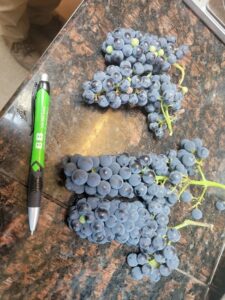
Everything was restored as best they could for the next year’s crop, but again, there was a polar vortex that  “messed up” the entire valley. But in spite of this, the vines recovered in a spectacular way and they had a good crop with good fruit. The clusters were noticeably larger than previous years. The berry size was twice the size of those in neighboring vineyards.  Neighbor’s grapes averaged .05 grams in size and Lava Terrace fruit 1.1 grams.   The attached picture speaks loudly of this incredible result. Note the fullness and tightly packed clusters of the Crop Booster product.  The fruit load per vine was increased noticeably and had an extraordinary rich taste more than usual.

The second year wood is much thicker than previously and will provide necessary structure for a great crop for the 2023 vintage.  Pruning this season has be a cake walk compared to the previous year.

The soil, rather than being hard, was actually spongy and the water wouldn’t evaporate as fast allowing the water to feed the plants longer, resulting in less water required. And there is no use for fertilizer, weed killer or insecticides. The only thing added was at planting when they put in time release Osmocote, and some other natural nutrients to feed the vines to start. The vines themselves are neater, and more orderly and uniform.

Other Crops

They used the Crop Booster in their garden area, and look at the height of the corn. The height was half again the norm, (from an average of 6’ to 10’) and the stalks were loaded with heavy juicy ears of corn.

Vegetables. The crops usually have a 3-4 week harvest, but the asparagus kept growing into 2-2/2 months, each harvest of the spears would be followed by another and there usually is only one harvest. Peppers were large, like 2 ½ inches, and they got 30 pints.

Here is what Duane has to say about the difference

“Here is a list of what I have noticed: First of all we have gone to almost no spray of any kind. I only have had to spray for one insect–Leaf hopper and it has been targeted areas. No herbicides or chemical fertilizers.

Certain grape vines that were planted without much compost in the past struggled more than other. I saw those vines vigor increase doing nothing else different.

Second year wood.  Second year wood is where the grapes clusters are in buds for the upcoming season.  I really noticed this year while doing pruning that the canes are thicker, healthier than in the past.  This is good as it will lead to a better crop load.

Soil health: What I have noticed is that where we have good organic material in the soil, the better the vines react to the system.  I have noticed that a more balance eco-system is developing in the vineyard.  The weeds are now competing with each other as well as planted white clover. No one variety of weed is in charge so to speak as in the past. Fungi are appearing more and more in the form of mushrooms etc. We do inoculate the vine starts with Micorrhizae to help with soil health.  I am also seeing more beneficial insects , daddy long legs, lady bugs , earwigs, praying mantis.  Birds like mourning doves have decided to spend more time wintering in the vineyard.  We have introduced a flock of chickens and 4 Kune Kune pigs too, they eat weeds, grasses and naturally fertilize the soil.”


The Future

Duane and Dina have plans of expanding vineyard sites and their wine tasting room. They now sell 500 cases of wine per season. The goal is to sell 2000 cases and have a residual income. But I cannot see these two retiring. They will always be dynamic, producing something and actively producing something. They are creative people and such folks never stop making things happen.

Read More
2023-02-02by studio98Blog

Water II

“There is nothing softer and weaker than water, and yet there is nothing better for attacking hard and strong things.”
The Chinese sage Lao Tzu

Lao Tzu in the “Tao-Te Ching” explained this paradox like this.  “Water’s ability to wash, soothe and nourish contrast with its brute power.”   This is exhibited by Niagara Falls, tsunamis and the Grand Canyon (carved over time by the Colorado River). In the mid-eighties, some friends who were teachers and executives from Delphi, Oregon school, invited my wife and I to make a 1o-day float trip in three huge rafts down the Colorado River. There were 10 of us.  My son Tom was a student there at the time.  When you see and feel the awesomeness of that 278 mile long, 10 miles across and one mile deep trench through solid rock in some places, you instantly get the  idea of what water can do. Indeed, water, over the eons made that enormous ditch.

What Does This Have  to Do With Kymnasi Plant Booster?

 This series on water deals with the mystery of water, how scientists still don’t understand it fully, and how it is the perfect vehicle for making crops and their products amazing in every way possible. So here goes more about water, which is the perfect way to make harvests on the level of miraculous.

Some of the Implausible and Inexplicable Phenomena of Water.

 Similarly paradoxical, water is both extremely familiar making up nearly two-thirds of our own bodies and covering three-quarters of the planet and extremely mysterious.  Many of its properties will completely surprise you. Others are so unusual that they still defy scientific understanding.


Surface Tension

Sometimes water seems to defy the laws of physics. It holds together in spite of the attempts of gravity to control it. Surface tension of water can cause things to float which are denser than water, allowing organisms to literally walk on water . This is the power of surface tension, a characteristic that makes the outer or surface layer of a body of water act like a thin flexible plastic sheet or membrane. Yet the surface is just water. For example:  Surface tension is what allows objects with a higher density than water such as a paper clip, razor blades and insects (e.g. water striders) to float on a water surface without becoming even partly submerged.


Slippery Slippiness

Theorists have speculated that it may be the very act of slipping, or skating making contact with the ice that melts the ice’s surface. Others think the fluid layer is there before the slipper or skater ever arrived, and, is somehow generated by the inherent motion of surface molecules. We know you’re looking for someone or something to blame, as you lie there on the ground fuming, but unfortunately the jury is still out on this one.


Solids Sink in Water. Ice is a Solid. Ice Floats. How is that again?

Image from National Geographic
 Iceberg in Greenland. 

Although the solid form of almost every substance is denser than its liquid form, due to the fact that atoms in solids normally pack tightly together, this does not hold true for H2O. When water freezes, its volume increases by about 8 percent. This is the strange behavior that allows ice cubes, and even gargantuan icebergs, to float. Evidently that 8% increase in volume is air that makes ice float.

There Are So Many Unexplained Phenomena of Water


This is no technical manual to give you the explanations scientologists give for these enigmatic phenomena, but there are answers in the internet. Here are a few bafflements you can solve for yourself if you are of a mind to:


Why does hot water freeze faster than cold or cool water? No one know why.

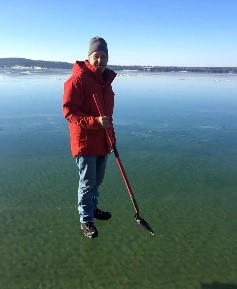
  • Above: an icy lake has no water on its surface but it is slippery as grease and you can bust your butt slipping down.
  • On Earth, boiling water creates thousands of tiny vapor bubbles. In space, on the other hand, it produces one giant undulating bubble.
  • When there’s a huge temperature gradient between water and the outside air say, when a pot of boiling water measuring 212 degrees Fahrenheit (100 C) is splashed into air measuring minus 30 F (-34 C) a surprising effect occur
  • When a drop of water lands on a surface much hotter than its boiling point, it can skitter across the surface for much longer than you’d expect. The droplet thus survives for several seconds before boiling away.
  • When there’s a huge temperature gradient between water and the outside air say, when a pot of boiling water measuring 212 degrees Fahrenheit (100 C) is splashed into air measuring minus 30 F (-34 C) a surprising effect occurs. The boiling water will instantly turn to snow and blow away.
  • Why is each beautiful snowflake hexagonal in shape and exclusively different from any other?
  • Where did all this water come from on planet earth, now covering 70% of earth’s surface?

Want Answers to These Questions?

Like I said, this is not a scientific treatise giving answers to all these wonderful enigmas. But stand by, and I will give some answers on Water III, the following blog. Some are not answered by science yet. Ain’t that special, the most abundant element on earth, and most important element to human survival, yet they have no answer.

But There is an Incredible Discovery – instead of three “types of water,” liquid, vapor and solid (ice), There is a Fourth.

Hang with me, I will tell you all about this in Water IV.


L D Sledge

The Writing Whisperer


Press Room

Agricultural Technology for Farmers in India

Harvest HarmonicsTM New Biophysics Agricultural Technology For Farmers In India The Agricultural Biophysics technology, 20…
1

Organic Earth Tech, OETI, Launches One Million Dollar Technology

After hurricanes Maria and Irma, Puertorrican farmers are yet to receive the needed aid to recover. Organic Earth Tech…
0

Produce More From Less

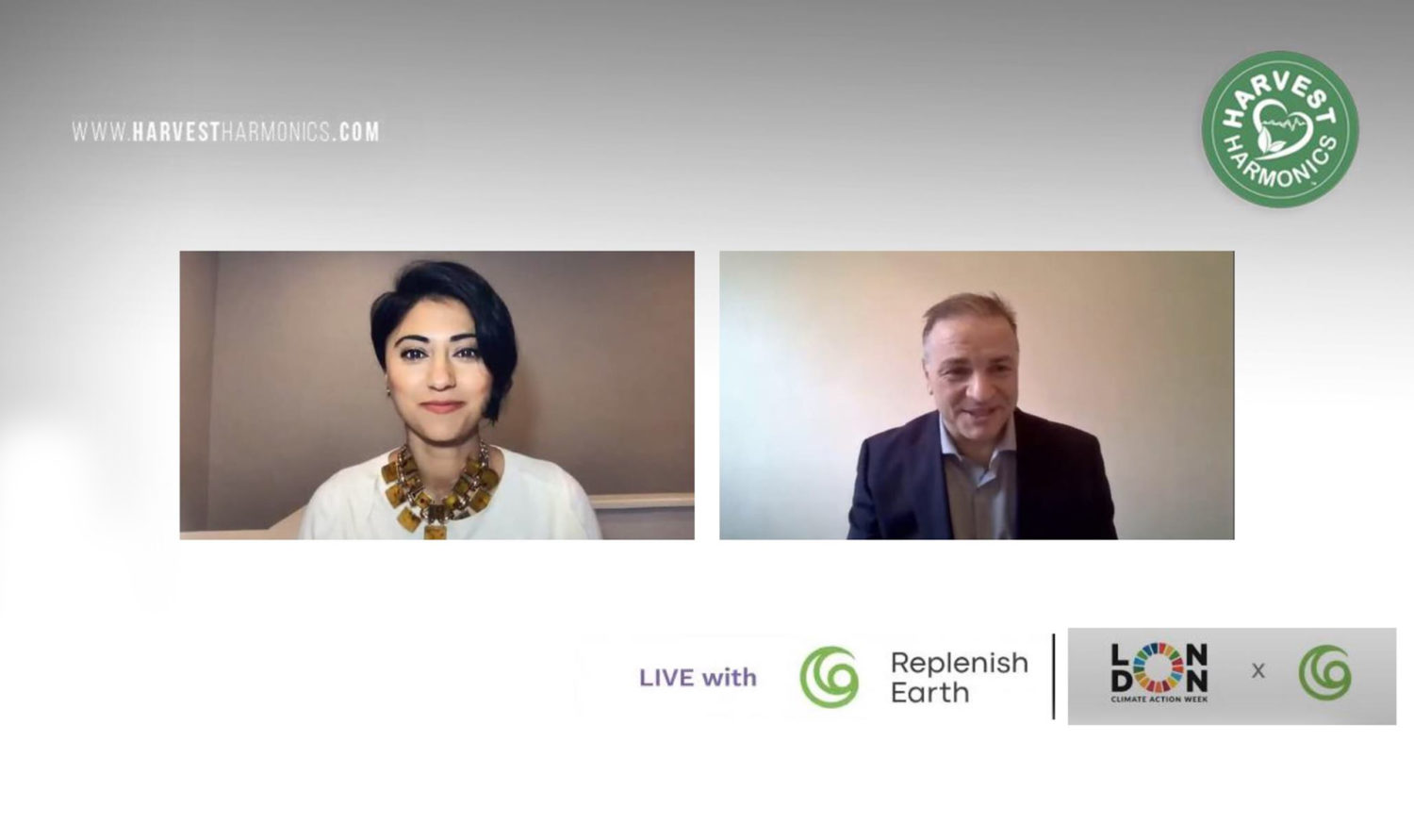
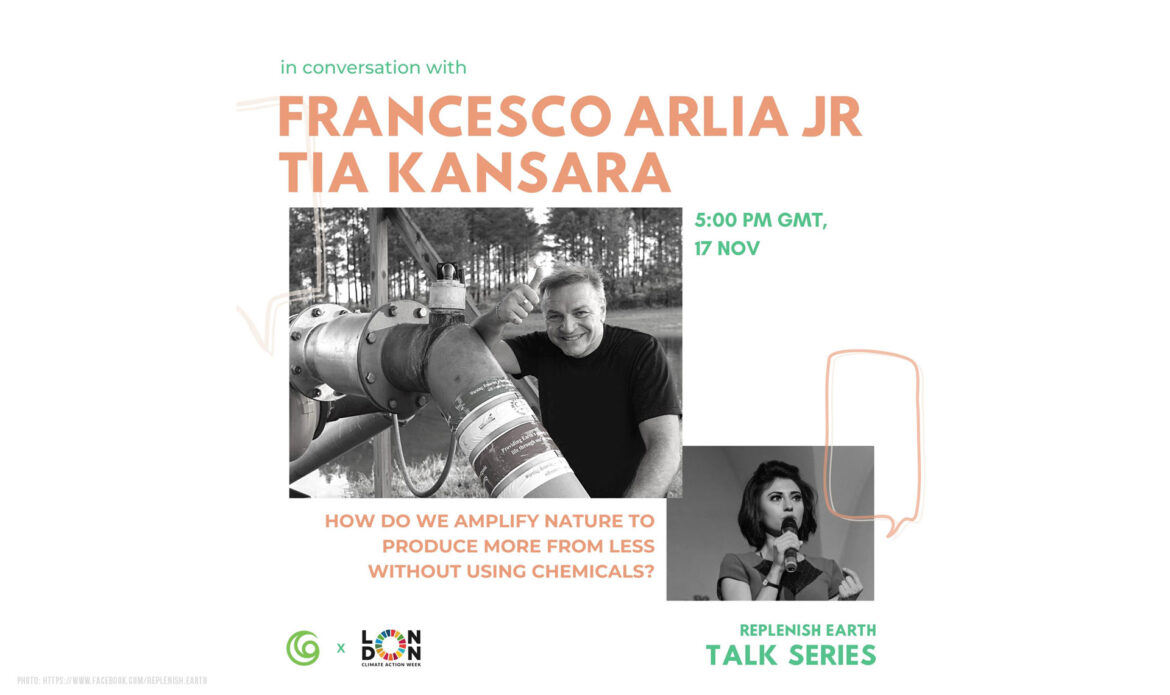
CEO Harvest Harmonics Frank Arlia speaking at Replenish. Earth interview by Tia Kansara – London Climate Action Week. How…
0

Replenish Earth and the Environmental RE Talk Series

Replenish Earth and the environmental RE Talk Series event that reunited the top thinkers in the world Harvest Harmonics…
1

Read More
2023-01-18by Sebastian CaravalloBlog

Water

The Memory of Water

The reason the Kyminasi Plant Booster works so well is because water has memory, and we can use this to relay our programming to the plants.

You can teach water to sing. It passes through a space that has a rhythm or a sound, or as has been proven, an emotion, and it remembers it. It carries this song along, singing it to everything that will listen and take up the tune to harmonize with it.

The Harmony of Earth

The soil first takes up the tune and passes it on to the surrounding roots of plants which flows the melody up the stalk through the leaves and blossoms and ultimately to the fruit it bears.

And if you wish to carry it forward even more, through the now more beautiful and nutritious than ever beans, or peaches, or peppers to the mouth and blood of the consumers, whether animal or human. It synchronizes and harmonizes everything it touches. And in sync, the living molecules that previously were out of sync, giving birth to less than optimum fruit are now in tune and the root, limb and leaf, give us beautiful perfect babies. All thanks to the glorious reborn Kyminasi water.

Water is and has always been the mother of life of this planet.

While water is the most common element on earth, it is the least understood. Science is daily discovering something new about it. Stay tuned to a blog I am writing to accompany this article that will teach you things about water you never suspected, as you take it for granted. But just understand this—make sure the water that you send through your body is pure, free of toxins.

I heard an old tale that water designed man as a means of transporting itself from one place to another. Let’s hope that we are really more than a water carrier – but sometimes I wonder about this when I have to get up in the middle of the night to carry water.

From the moment life first came into existence on this planet, it was dependent on the vitality of water.

With Kyminasi Technology we are adding in a vital element and working with your water to revive your plants back to a better way of life in improving your photosynthesis. The results speak for themselves. – LD Sledge


Press Room

Agricultural Technology for Farmers in India

Harvest HarmonicsTM New Biophysics Agricultural Technology For Farmers In India The Agricultural Biophysics technology, 20…
1

Organic Earth Tech, OETI, Launches One Million Dollar Technology

After hurricanes Maria and Irma, Puertorrican farmers are yet to receive the needed aid to recover. Organic Earth Tech…
0

Produce More From Less

CEO Harvest Harmonics Frank Arlia speaking at Replenish. Earth interview by Tia Kansara – London Climate Action Week. How…
0

Replenish Earth and the Environmental RE Talk Series

Replenish Earth and the environmental RE Talk Series event that reunited the top thinkers in the world Harvest Harmonics…
1

Read More
2023-01-11by Sebastian CaravalloBlog

Dan Tenorio: A Most Remarkable Farmer

It has been my delight and treat to get to know Daniel Torino, Veteran, Family Man; Man of the Earth.

When I began writing for Harvest Harmonics, I knew that I would best serve the function of writer for Harvest Harmonics and the planet to get to know men and women who have used the Kyminasi Plant Booster and tell their stories. The only way to do it right would be by personal contact, to take the time needed to truly know them and write about them.

Dan was my first, and I could not believe my good fortune in getting to know a man of such character, intelligence and strength in my first interview.

His History

Because of his intellect and scientific ability in research and creativity, Dan was assigned to weapons Research and Development in the U.S. Army, creating highly efficient weapons to be used

in case of war. He was assigned super-secret projects which even today are protected. After years of top-secret discoveries, upon discharge he had difficulty readjusting to civilian life. He had to discover his own therapy to move on in life and livingness. That was 25 years ago.

Dan was a man searching for a cause and at the same time a way to make a living that would challenge and satisfy his creative needs. He felt his life would be wasted if he jumped into the usual rat’s race for money, office walls and timetables and politics.

He was an artist without an art until he found one that he could love and duplicate, and he found it in the very soil beneath his feet. He innately knew there could be magic in the earth if it was given the right treatment, nutrients, and care, and could be made to grow anything. He jumped right in.

He bought 17 acres in Sorocco, New Mexico, and started farming hay as forage for cattle. Like most land that was used for farming, his beloved soil had

been poisoned through fertilizers, insecticides, pesticides, and whatever previous farmers had used to force crops from it.

He knew that water could retain memory

After all, Dan was a brilliant scientist who read and studied widely across any area that interested him. He knew that a happy marriage of water and earth was a vital one to the farmer, and most farmers just didn’t get it. Water has a frequency, the earth has a frequency and everything, living and not living, has a definite designated and duplicatable frequency. He said that there was no data about how to optimize the soil in the arid climate of his region, and he stumbled onto the Kyminasi Plant Booster marketed by Harvest Harmonics.

He read all the promotion on the unbelievable harvest yields..

He had his doubts, but the soil he had been farming was rapidly depleting. He had been planting 15 acres of hay and had been yielding 700 bales and had dropped down to 250 bales each planting, and

was getting worse. He had refused to fertilize and use insecticides and his land had pretty much purified itself of those toxic agents and was clean for the past 4 or 5 years, but he knew the degradation of the soil was the problem, not lack of fertilization.

Give it a shot

Dan had a decent monthly income from the military but may have difficulty in surviving with such diminishing yields, so he decided that he would roll the dice an see if the claims of Harvest Harmonics were anywhere near true. He irrigated the field and within 10 days noticed the grass had grown 8”, which was phenomenal! But not only that, the blades were thicker and deeper green.

Throughout our interview he used the word “phenomenal” several times.


Yield

2021 15-acre Drover Grass harvest using well water with no fertilizer
918 2 strand bails

2022 15-acre Drover Grass using Kyminasi Plant, Crop Booster water with no fertilizer

1436 2 strand bails of much higher quality in resident nutrition and tops in every respect.

Pecans

Dan had 15 acres in pecans, which he watered with the KPB water after the trees bloomed. Here are the stats he provided regarding the yield:

2021 Pecan Harvest
24ea 5-gallon buckets with uncracked pecans @ 23lbs each. Pecans vary in size equally
Total 550lbs uncracked pecans.
Processed Pecans (Cracked and cleaned Kernels)
Cleaned 198Lbs

2022 Pecan Harvest
25ea 5-gallon buckets with uncracked pecans @26lbs each. Pecans visibly the majority are larger and heavier than 2021
Total 650lbs uncracked pecans
Processed Pecans (Cracked and cleaned Kernels)
Cleaned 280Lbs

Impressive? Anyone can see the difference

Hay:
Almost a 100% difference in quantity and at least that much difference in quality.

Pecans:
A 30% difference in pecans in just one growing season alone. The visual of the plump, fat pecans make a clear difference between 2021 and 2022.

Just think, Dan is just getting started. He is more than a farmer. He is a true visionary, as reflected by what he wrote in the quote below. Look at the beautiful family and the hayfield. To the eyes of a man of the soil it is like a painting he painted himself in love with his subject. Dan’s viewpoint of life and his optimism is reflected in the smiles on the faces of his family. I feel like I can warm my hands on this picture.


The future of the planet

The future of planet earth and its peoples depends upon the farmer, his pushing ahead technologically with the goal of a society of humans

that are healthy and happy. Dan is truly one of the men of vision who are leading the way.

“This to me is evolution of the human species, we have sat idle in a way of growing that is currently failing humanity and has not moved forward in many years. I witnessed this new product changing something within the plant that is healthier stronger and is using less water. We must change as growers and understand we are a part of a living organism and have to work with it and stop the need for focus on the bottom line and start focusing on sustainability of our soil and in turn the longevity of the environment that is currently sustaining all humans. Currently humanity in large is on a failing path with the focus being on money and not the health of our children, would you give your child a spoon full of chemically enhanced fertilizer or a spoon full of water that has all the vitamins to sustain them? I choose water for my child and so would you because you care about your

children and us as a human species are smart enough to recognize we are currently giving our children by choice spoons full of chemicals, we are what we eat, and us as humans have to evolve and move forward with new ways that work with this world and us.. I believe Harvest Harmonics is taking a step in the direction of moving forward for us as a species with a new healthy way.”

By Daniel Tenorio


Article by L D Sledge, The Writing Whisperer


Press Room

Agricultural Technology for Farmers in India

Harvest HarmonicsTM New Biophysics Agricultural Technology For Farmers In India The Agricultural Biophysics technology, 20…
1

Organic Earth Tech, OETI, Launches One Million Dollar Technology

After hurricanes Maria and Irma, Puertorrican farmers are yet to receive the needed aid to recover. Organic Earth Tech…
0

Produce More From Less

CEO Harvest Harmonics Frank Arlia speaking at Replenish. Earth interview by Tia Kansara – London Climate Action Week. How…
0

Replenish Earth and the Environmental RE Talk Series

Replenish Earth and the environmental RE Talk Series event that reunited the top thinkers in the world Harvest Harmonics…
1

Read More
  • 1
  • 2
  • 3
  • 4
  • 5
  • 6

Harvest Harmonics

We help farmers to increase their crop yield and profit and improve the quality of their products. We have the most advanced crop booster technology in agriculture.

Useful Links

  • About Us
  • Terms and Conditions
  • Successes
  • Contact Us
  • Get a Free Quote

Contact Info

  • geo611 Druid Rd, E Building 201
    Clearwater, FL 33756, USA
  • phone+1 727 324 6750
  • mailservice@harvestharmonics.com
  • mailMon – Fri: 08:00 a.m. – 6:00 p.m. ET

Social Media