“Times They Are A-Changing.”
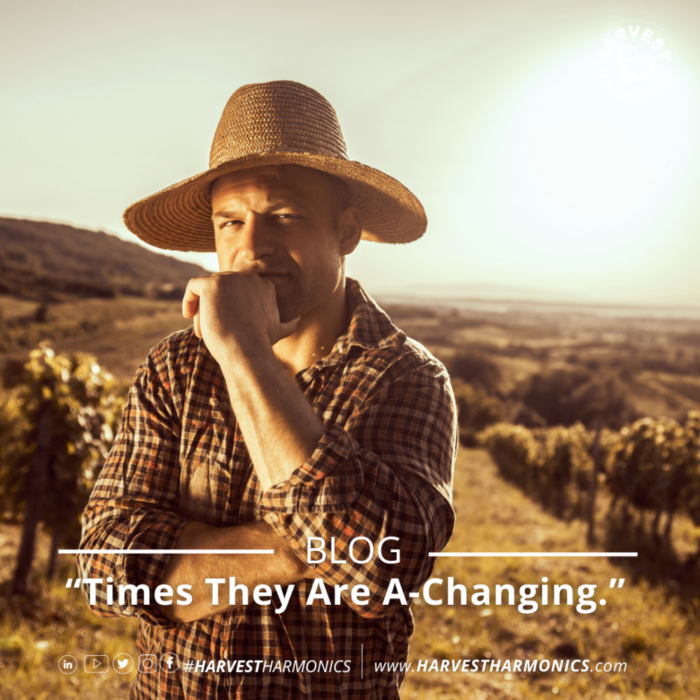
“Times They Are A-Changing.”
Come gather ‘round people
Wherever you roam
And admit that the waters
Around you have grown
And accept it that soon
You’ll be drenched to the bone
If your time to you is worth savin’
You better start swimmin’
Or you’ll sink like a stone
For the times they are-a changing.’
Bob Dylan Was Right
Bob Dylan was right; he saw the old sweet conservative culture of the fifties disintegrating and it did change in ways that do not please many of us old hands. But he also advised us that we must also change.
That was not comfortable to the comfortable and unadventurous hardcore comforts of the forties and fifties; they wanted to keep things just the way that they were, but they were swimming against the tide. The gulf washed over them, and we have what we have now, whatever that is.
Nowadays
There are many good changes. Now we have cell phones and in the fifties we country people had no phones at all. We have electric cars when many had no car at all. Instead of Grandma arising before dawn to milk old Bossy and returning to cook breakfast on a wood stove, she got an electric stove and bought milk at the store. Those were good changes. Those were in my early days as a little boy living in the way back country in N.W. Louisiana. I have seen the before and after of today. Yes, Mr. Dylan, times and things they are a-changing and have changed and still are a-changin’.
The Land
My stable world evaporated overnight. Where there were cotton fields everywhere, then there are soybeans fields (unless the owners were being paid a subsidy for not growing crops, and in this case, no crops at all). And the weather and climate went maverick.
Mother nature is not a good business partner, as there are abnormally dry conditions in 70% of the US, affecting 15 food producing states across the nation. Through careful management and hard work, farmers across these areas must farm with persistent, severe drought as they produce more than 80% of fruits, nuts and vegetables, more than 80% of wheat, more than 50% of dairy, and more than 70% of beef for our nation.
The impact of the drought places added strains on the supply chain and the overall economy as American jobs and food security depend on this region.
Grit: American Farmers and Ranchers have True Grit
There is no doubt that folks are hurting, but these hardy Americans are also committed to hanging on as long as they can.
Our farmers have grit, and they will survive somehow. Like farmers across the country, they put their heart and soul into feeding their families, their communities, the nation and the world.
One thing that our farmers have in common is their love of God and family. Things they will never neglect.
The family farm has always had a sense of peace, calm and family security, totally different than an upstairs city apartment or urban home clustered with others just like it on lookalike carbon copy streets; nothing compares to the warmth of hearth and home of the family farmhouse, and our farmers are never going to lose that.
I can imagine the farmer, standing tall with his hands on his hips glaring out over his fields, daring the conditions to stop him from producing needed food for you and me, and let this singular year of bad luck beat him down. He had faith in providence that something would come along…. And it has.
And It Did Come Along Just in Time!
“Just when everything looked so dark” Like the miracle they prayed for in all their positive prayers, the answer to the water problem and the escalating costs of fertilizer and other soaring costs was laid in their laps. What is this miracle?
The Kyminasi Plant, “Crop Booster”.
And what is this?
All you have to do is attach a piece of Kyminasi technology fitted pipe to your irrigation system, and voila, it will be activated by the water flow.
In short order the fields are bursting with fine, healthy vegetation with strong vigorous root system, rich dark green leafy branches heavy with fruit or vegetables. No, I am not dreaming. It is happening in 31 countries with farmers bursting with pride just looking at their fields, and proudly carrying these premier products to market.
OK, Ok… How Does One Length of Pipe Do This?
I will give you a nutshell of the process. It is the result of more than two decades of research and is a highly complicated science, but for sake of explanation, I’ll keep it simple here).
First start with the scientifically proven phenomenon that every living thing has a vibration or frequency. Your body, your internal organs, you tomato plants in your garden and your plants in your field all have a vibrating molecular frequency.
Our inventor proved to have the ability to determine the exact frequency of the plants in your crop and create an identical frequency program which the pipe has been programmed with, without the need of an external power source.
As water passes through the pipe, it activates that programmed frequency and passes it on into the water flowing into the field, and thus reaching the soil and plants.
Now the plant is “harmonizing” with the tune of the water, and the plants all are synchronized with the water, soil and nutrients to provide the ideal growing conditions for your particular crop, yet simultaneously requiring less water, fertilizer and at times, no pesticides whatsoever (stronger plants with higher Brix and natural defenses are not bothered by pests as much).
If you listen close enough, you may even hear your entire crop singing happily while giving you a beautiful crop… or maybe that is just the sound of a more peaceful life that you will be experiencing as a result of a less stressed-out field.
What more can you ask for?
The Real Reward is Your Family Time
What would it be like to be able to spend time with your family, go on vacation for a change, attend your son or daughter’s ball game or performance, stay in and watch a favorite program together and get to know them. After all, isn’t that what it is all about? Loving your wife and kids and being with them as they grow up. They will soon be gone, much sooner than you know. Now is time to be with them. This magic Kyminasi Plant, Crop Booster technology you will have a better chance to enjoy these precious moments, better quality family time you really start enjoying what you have built.
Now Is Time To Buy
We have a money-back guarantee to all growers growing in soil, so you truly have nothing to lose to give us a try! Simply select a small section of your farm and see how it compares to the rest. What if it really did work?
A discount of 20% plus financing! If your crop was affected by Hurricane Ian, Harvest Harmonics will give you a discount of 20% plus favorable financing of the balance.
Sincerely yours,
LD
Press Room

Agricultural Technology for Farmers in India
Harvest HarmonicsTM New Biophysics Agricultural Technology For Farmers In India The Agricultural Biophysics technology, 20…
1

Organic Earth Tech, OETI, Launches One Million Dollar Technology
After hurricanes Maria and Irma, Puertorrican farmers are yet to receive the needed aid to recover. Organic Earth Tech…
0

Produce More From Less
CEO Harvest Harmonics Frank Arlia speaking at Replenish. Earth interview by Tia Kansara – London Climate Action Week. How…
0

Replenish Earth and the Environmental RE Talk Series
Replenish Earth and the environmental RE Talk Series event that reunited the top thinkers in the world Harvest Harmonics…
1
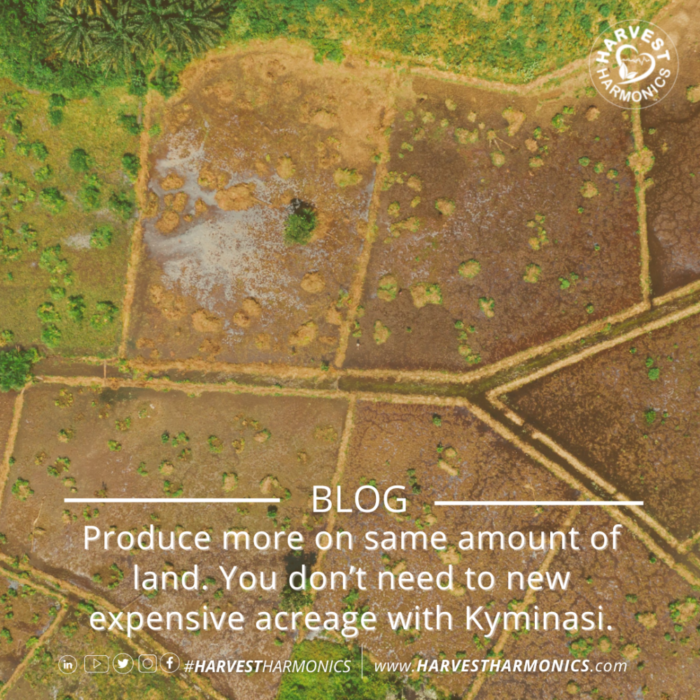
Produce more on same amount of land. You don’t need to new expensive acreage with Kyminasi.
The Farmer’s Up and Down Life
City folks have no idea of the life of the farmer. It is a roller coaster and there are highs like no other highs when the weather is perfect, and the crops are so deliciously green and the fruits or vegetables are so thick and fat the plant seems to almost break under their load. (And the market is up, and demand is high!)
But when there is too much rain, or too little, a drought, or a freeze or hurricane or flood, or a killing disease, or plague of locusts. (Well, maybe not biblical locusts but pests.) Life for the farmer seems to be balanced on a razor blade. But the farmer and his family continue the game because that is what they know and what they love and are willing endure the vacillations of fortune for they usually persist through. They also know they are part of an army that supplies sustenance to the planet, so it is their duty to honor this commitment.
Life For Everyone is a Gamble and Particularly for the Farmer
I was born and raised in the middle of the depression, in a tiny country village in Northwest Louisiana near the Texas border. My daddy had a general merchandise store that sold everything from groceries to work clothes, from hay to threaded pipe and kerosine for lanterns that were used by many at the time to light the night. I worked there after school and Saturdays. We were closed on Sunday and that is when daddy and I would go fishing after church.
The only living available was to work at the sawmill or farm, so I know about the ups and downs of farmers in the forties and fifties, the time I can really remember, and how the one street through our little town was filled with wagons loaded with cotton on the way to the gin and back to the store because it was rare payday. Granddaddy’s dentist office was in the back corner where he pulled teeth and made dentures. He would trade his work for a watermelon or mess of peas. That is all the farmers could afford then. Their children were my classmates, and it was always tough, but that was all they knew.
The point is their life then was no walk in the park and they milked every ounce from their little bit of land, usually the land around their house which was way back in the country.
Nowadays
Nowadays it is the same but on a larger scale. A bad crop can now, as then, render the farmer’s family destitute, so it is imperative that the farmer change operational systems if any new system would be beneficial. But the old ways are hard to change. However, any change that can improve odds is worthy of a look.
And there is such a beneficial change right as close as his phone, and it is the Kyminasi Crop Booster.
More for Less
Now, the farmer doesn’t have to invest in expensive land to get more product. How about a way that will get more product from existing land by just adding to the irrigation system?
How Does It Work?
I am just a writer, retired attorney, and artist and am certainly not a geek but I will try my best to explain this amazing technology.
All things are composed of atoms which have electrons moving constantly within. These electrons hold all matter together and their motions create vibrations. They harmonize or combine to create a composite frequency which is known as its natural frequency. This phenomenon is common it every material thing, as well as living organisms.
Using the example of the human body, these frequencies may become imbalanced and that causes defects which we call illness and using this technology it has been used to “harmonize” or align these frequencies in the body to heal. It was discovered that this applies to plants as well.
This technology has been used to align and optimize the frequency of the plant to give it the top health it can have to produce at the optimum product.
After years of research, they finally produced a simple way to make this occur. It harmonizes the plant’s normal and ideal vibratory frequencies, thereby improving its health. And it does even more than just restore health. The plant emerges like a lifter walks out of the gym with bulging muscles and glowing health. Kyminasi technology acts on plants the same way a tuning fork is used to tune a musical instrument.
Picture this: Normal water enters the pipe. The Kyminasi Crop Booster pipe apparatus is attached and the water flows through the pipe. It’s arrangement of molecules is changed to the ideal plant frequency which flows on with the water now becoming charged with the ideal frequency for plants to maximize and optimize their potential. The plant receives the new vitality boosted water flowing through its tissues. The plant’s frequency is immediately modified to its ideal state of production. The plant wakes up and sings, its roots become stronger, its stalk more powerful and the leaves bright and the fruit, vegetables, cane, hay, or whatever product is enhanced to sometimes double its normal production. See the videos and photos of the real results in the fields and gardens of customers who are happy they bought this fabulous product.
This In A Nutshell
The key step in developing the Kiminasi Crop Booster technology was finding a way to identify the natural frequencies associated with ideal plant function. He used this material to record the vibrational frequencies of various organs in the human body. It measures the frequencies emitted by the vibrational bonds between atoms. When the technology was adapted to apply to plants, a device was developed to create this phenomena of altering the plant frequencies to the ideal. This amazing leap forward for agriculture and the future of farming is the Kyminasi Crop Booster.
I Can Only Hope That This Simplifies it Somewhat
For more data on the science of the Kaminski Crop Booster, see https://harvestharmonics.com/the-science/.
Bottom Line
What does this do for the stressed farmer who has to spend every waking hour nursing his nursery or farm or plantation, away from the family. Now, there is more production per acre without having to buy more land or working his fingers to the bone, and praise be, more time to spend with the family. This is what the farmer has worked so hard to get: Time with his ever faithful and hardworking wife and his sons and daughters who are his legacy. Through this miracle of science, he could live a good life and not work himself to death. And best of all, spend more time with his family.
Sincerely yours,
LD
(Harvest Harmonics’s new writer)
Press Room
Agricultural Technology for Farmers in India
Harvest HarmonicsTM New Biophysics Agricultural Technology For Farmers In India The Agricultural Biophysics technology, 20…
1
Organic Earth Tech, OETI, Launches One Million Dollar Technology
After hurricanes Maria and Irma, Puertorrican farmers are yet to receive the needed aid to recover. Organic Earth Tech…
0
Produce More From Less
CEO Harvest Harmonics Frank Arlia speaking at Replenish. Earth interview by Tia Kansara – London Climate Action Week. How…
0
Replenish Earth and the Environmental RE Talk Series
Replenish Earth and the environmental RE Talk Series event that reunited the top thinkers in the world Harvest Harmonics…
1
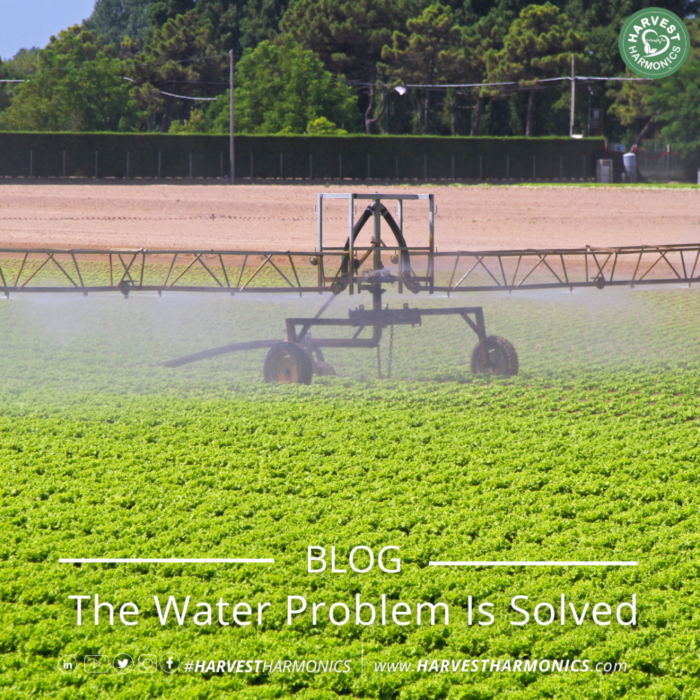
The water problem is solved
“All day I face the barren waste, without the taste of water… Cool, clear water.”
I can’t help but smile thinking of that great song by the Sons of the Pioneers that was so popular back in the day. I know every word of the lyrics and hear the melody many years later. I went to their concert, wearing my boots, jeans and cowboy hat and had my picture made with them on stage. One of those great times that made memories. I never dreamed our world would be in need of water. Parts of the United States are suffering from a megadrought that is harming our farmers.
Water is Boss on Planet Earth
This article is about water, its importance to man, his food source, the current and future problems of water availability and an amazing discovery that will help us get through this coming crisis.
This is a short summary of the facts of water on our earth. I know I am probably preaching to the choir, because you probably know these facts already. But just in case you don’t, I am laying out some relevant data about water. Anything that we rely on so much for our survival is boss in many ways.
Evolution
Man evolved on planet earth, which is known as the Water Planet. About 71 percent of the Earth’s surface is water-covered, and the oceans hold about 96.5 percent of all Earth’s water. Views from space leave little doubt. From some angles it appears that the earth is nothing but sea. It is little wonder that 60% of the human body is made of water, as it is a part of the earth from which it came. Not only does water occupy the vast majority of the earth’s surface and the fluids of all known living organisms, it is vital for all known forms of life.
World Economy
Water plays an important role in the world economy. Approximately 70% of the freshwater used by humans goes to agriculture. Fishing in salt and freshwater bodies is a major source of food for many parts of the world, providing 6.5% of global protein. Much of the long-distance trade of commodities (such as oil, natural gas, and manufactured products) is transported by boats through seas, rivers, lakes, and canals. Large quantities of water, ice, and steam are used for cooling and heating, in industry and homes. (Wikipedia)
There Is Lots of Water, So What Is The Problem?
The problem is that global warming has altered the earth’s precipitation pattern, and the present megadrought conditions on a global scale, and in our country, has created crisis among farmers’ ability to supply enough water for their crops. Many must reduce the size of their fields and thus production and income.
Water is essential for agricultural production and security of our food supply. It is the lifeblood of ecosystems, including forests, lakes and wetlands, upon which our present and future food and nutritional security depends. And our freshwater resources are dwindling at an alarming rate. Depending on our diet, we use 2000 to 5000 litres of water to produce food consumed daily by just one person. And another interesting fact is that farming accounts for around 70% of all water withdrawals in the U.S., and even more in developing countries.
Global Warming
Global warming is creating areas that were marginally farmable as no longer arable, capable of producing crops. And now some lands that were rich farmland have less “green water” (water in the earth feeding the roots usually supplied by rainfall) or “blue water,” water from irrigation, rivers, etc., brought from exterior sources because of dwindling supply.
Where Does This Take Us?
It is a serious situation and farmers must now find a solution, as we who consume what they produce may be facing food shortages as a result of these changing conditions. This means that food production is going to become more expensive, farmers are being impoverished by lack of water and are now having to reduce acreage to have adequate water.
If that isn’t trouble enough, government restrictions and suppressive rules, as you will find in abundance in California, are pushing farmers out.
What is the Solution?
Find more sources of water? There are none we know of other than the old sources. However, there is a huge ocean of water below earth’s mantle. It is enough to supply the earth with all the water that will ever be needed. But it is available only after impossibly expensive drilling, which is being developed now. So we must find a way to continue producing our food supply with less water now.
Lo and Behold an Answer Appears
Suppose you had a magic wand and you could touch it to your irrigation pipe and the water would cause your crops to double with half the use of water that was usually needed? What if it also made the plants healthier, larger, roots stronger, and leaves brighter as well as being loaded with your fabulous products? There is no supposing to it. It is real!
The Magic Wand is the Kyminasi Plant Booster
How does it work? The Kyminasi Plant Booster consists of easy-to-install, ready-to-go, advanced custom microtransmitters that use BioPhysical Programming (a form of agricultural bio-hacking) to improve water’s interaction with plants.
When irrigation water first flows past the device, the technology is activated. Each KPB is custom-sized for every farm and designed to work with all crops grown in soil. No external power system or maintenance is required. The devices use advanced signaling to bio-hack plants’ natural processes, boosting photosynthesis efficiency, improving nutrient uptake, and increasing crop yields — all while reducing water needs.
In a Nutshell
The Kyminasi Plant Booster reprograms the water at the biophysical level, helping plants thrive with less. This innovative device is the result of years of research and testing. Go to www.Harvestharmonics.com and read about the science behind the KPB and the astonishing success farmers are experiencing in 31 countries across the globe. Farmers worldwide are calling in to learn more about the Plant Booster.
Don’t Delay
Remember every day in producing less or having to use more of this precious water is money lost to you and your family. Call Harvest Harmonics now and learn more about how you can assure your farm will prosper.
Sincerely yours,
LD
(Harvest Harmonics’s new writer)
(Harvest Harmonics’s new writer)
Press Room
Agricultural Technology for Farmers in India
Harvest HarmonicsTM New Biophysics Agricultural Technology For Farmers In India The Agricultural Biophysics technology, 20…
1
Organic Earth Tech, OETI, Launches One Million Dollar Technology
After hurricanes Maria and Irma, Puertorrican farmers are yet to receive the needed aid to recover. Organic Earth Tech…
0
Produce More From Less
CEO Harvest Harmonics Frank Arlia speaking at Replenish. Earth interview by Tia Kansara – London Climate Action Week. How…
0
Replenish Earth and the Environmental RE Talk Series
Replenish Earth and the environmental RE Talk Series event that reunited the top thinkers in the world Harvest Harmonics…
1
HAPPY NATIONAL FARMER’S DAY!
This coming Wednesday, the 12th of October is National Farmer’s Day! What a day!
This is a day to honor and to share our deep appreciation and thanks for all your hard work; you plow, sow, grow, and harvest to feed our great nation. It is not an easy job! And so, God built a farmer.
We want to THANK YOU for all your hard work!
And we want to thank our innovative farmers who started with us by using our Kyminasi Plant – Crop Booster (KPCB) technology. Thank you for believing in us!
We want to show some of our fascinating stories of these farmers who decided to take a step toward with us, “the Future of Farming, today.”
JIM REED- KR CITRUS- SUNBURST ORANGES
We want to start with the great Jim Reed of California, a citrus farmer that also who grows dragon fruit for resale. Jim grows Valencia and Navel oranges, lemons, and other citrus varieties. The orange and lemons trees were planted in the early 1970’s.
Jim wanted to solve the problems that his farm has faced over the past few years; the farm had also recently converted to organic practices and so needed to make some serious adjustments.
Jim looked to Harvest Harmonics to improve his tree health and overall production; wanting more bins per acre on citrus. The average normal yields for citrus are 40-50 bins per acre on conventional production and 15-25 bins per acres on organic production. Jim’s average with Kyminasi is now 27 bins per acre with his organic navels while one block achieved 40 bins per acre!
Jim stated that his crop with Kyminasi Plant – Crop Booster Technology looks better than the surrounding organic farms and similar or better than the conventional farms. Jim noticed increased citrus growth and yields, larger leaves, greater heat tolerance, and more. Jim even noticed that his KPCB dragon fruit plants rooted 33% faster and grew 100% faster than the control. The KPCB dragon fruit plants were taller, and greener with thicker stems as compared to the control plants. Jim stated that he, “won’t farm without us!”
Kyminasi Plants – Crop Booster technology saves a lot of money on inputs while naturally increasing yields! Jim switched to watering his citrus trees every day for 2.5 hours instead of his normal irrigation cycle of once per week for 36 hours. Jim stated that we are irrigating closer to a total of 15 hours instead of the normal 30 hours for citrus in the area. Even though there was reduced water use by about 25% with KPCB, the citrus trees look great and very healthy.
Jim’s fields are a perfect example of our technology in play. We can’t wait to hear your next set of gains!
So we want to say THANK YOU, JIM for all that you’re doing with our technology and on your farm!
Let’s continue with another great farmer!
ART HEINEMANN – EDIBLE ACRES FARMS
Art is an organic farmer from Washington state, he started with Harvest Harmonics in 2017 (he is one of the farmers who has been using our technology the longest). Art has always had the goal of obtaining improved ecosystem function on his farm and believes that with KPCB he has reached this point with fantastic results across a multitude of different crops.
Already known for his stellar growing practices and excellent quality fruits and vegetables, Art has shown that the Crop Booster technology will do just that – it will BOOST you to the next level.
Art wanted to eliminate coddling moth problems on the apple trees that have been experiencing damage for several years; but also had a goal to eliminate agrichemical applications entirely. He is well on his way of achieving all of these goals with the Crop Booster!
Art is very happy with his results with KPCB and would like to see continued increases in yields and produce quality. Art is continuing his use of our technology to see the next level of results he can achieve.
Here are some of his results with the use of Kyminasi Plant – Crop Booster technology:
· 100% Reduction in Fertilizer Use & Increased Brix Rating of Grapes.
· Reduction in Fertilizer Use & 30% Increased Yield of Eggplants.
· 47%- 65% Increase in Soil Cation Exchange Capacity (CEC) on Tomatoes
· More Vigorous Growth, 15% Increased Yield, and Improved Quality of Squash in the USA
· 30% Yield Increase with Improvement of 4 and 5 Degrees Brix on Melons
· 18% Yield Increase of Bell Peppers and Increased Disease Resistance of Tomatoes Against Fungi.
We are so happy for your results Art! Thank you for all that you’re doing!! Happy Farmer’s Day!!
Let’s talk about two more fantastic farmers…
BEN & MATT SATTELBERG- BAY SHORE FARMS/ BAY SHORE SALES
Ben and Matt acquired the Crop Booster technology about 6 months ago. They are located in Michigan and using the technology to produce field corn for chicken feed.
Ben and Matt wanted to increase yields, achieve better quality grain, and produce healthier plants all while reducing pest and disease pressure as well.
Ben & Matt stated that the Kyminasi Plant – Crop Booster treated field corn looks great compared to the control corn! The difference is so great that it looks like the two fields are totally different corn hybrids even though they are identical genetics.
The KPCB corn plants are taller, ear set is quite a bit higher in height, plant health is much greater, and that the foliage is much greener than the control plants.
The control corn is dehydrating faster and the foliage is brown where the KPCB plant leaves are very green and having an extended growing season. The KPCB corn ears were bigger and longer than the control ears, with more kernels per row. And that’s just to name a few of the incredible results Ben and Matt have achieved!
Ben & Matt, we want to thank you for all you do on your farm and we look forward to seeing many more wonderful results!!
Thank you to all farmers for feeding our nation! Likewise, thank you to the farmers of the world for feeding the planet! Your work is important, and we are here to help you achieve the next level of results on your farms!
Press Room
Agricultural Technology for Farmers in India
Harvest HarmonicsTM New Biophysics Agricultural Technology For Farmers In India The Agricultural Biophysics technology, 20…
1
Organic Earth Tech, OETI, Launches One Million Dollar Technology
After hurricanes Maria and Irma, Puertorrican farmers are yet to receive the needed aid to recover. Organic Earth Tech…
0
Produce More From Less
CEO Harvest Harmonics Frank Arlia speaking at Replenish. Earth interview by Tia Kansara – London Climate Action Week. How…
0
Replenish Earth and the Environmental RE Talk Series
Replenish Earth and the environmental RE Talk Series event that reunited the top thinkers in the world Harvest Harmonics…
1
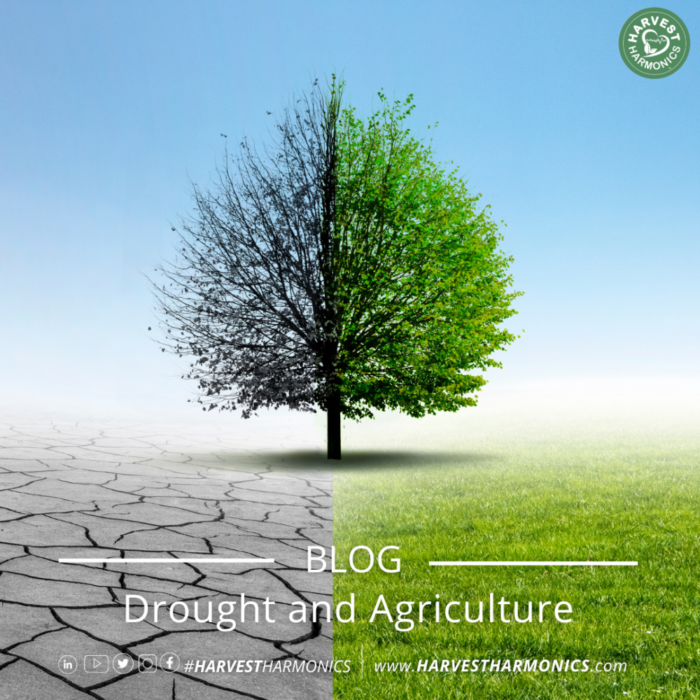
Drought and Agriculture
Drought is considered a cyclical climatic phenomenon caused by a reduction in rainfall, which manifests itself slowly and affects people, economic activities, the environment, and can even interfere with the social and economic development of peoples. In the agricultural sector, drought refers to the marked and permanent deficit of rainfall that significantly reduces agricultural production in relation to the normal or expected values for a given region. For some specialists, the deficit of moisture in the soil is linked to the effects on plant production in agriculture and pastures in livestock, it is often referred to as soil drought. The severity of a drought depends not only on the degree of reduction of rainfall, its duration or its geographical extension, but also on the demands of the water resource for the permanence of natural systems and for the development of human activities, which is why it is possible to express the degree of severity of the drought in terms of its social and economic impacts (Gallardo Ballat et al., n.a. )
In the context of agriculture, drought “does not begin when the rain ceases, but when plant roots cannot obtain more moisture from the soil” and can be defined on the basis of soil moisture rather than on some indirect interpretation of precipitation records. Since the productive moisture reserve of the soil depends on it and the crop. There is an agricultural drought, when soil moisture in the rhizosphere is at such a level that it limits the growth and production of the crop (Ramón & Delisles Batista, n.d.) .
The main effects that the drought is producing in the agricultural sector are: The lack of water has prevented the development of pastures for livestock feed, forcing additional contributions of feed, hay and fodder with the consequent increase in production costs to farmers. Finally, as a result of the drought there is a shortage of fodder and greater demand for these, before which increases in their prices are expected. Irrigation is a generalized source of wealth compared to traditional drylands, as well as an increase in added value, and more importantly, a factor that socially implies a brake on the depopulation of our rural environment. Irrigation has traditionally been seen as a key element for rural development. Without water there is no agricultural production and without it rural development is inconceivable. The severe drought we are experiencing can cause very significant damage to the economies of our irrigated farmers. This fact could even motivate the abandonment of certain irrigated crops or their conversion to rainfed in case of a notable loss in their profitability, which would imply calling into question the viability of much of the irrigation.
Problem with plantings
It can be sown, but the drought is causing lack of nascence and difficulties in the subsequent development of the plants born.
Lack of yield in crops
Crops such as olive groves, sunflowers and almond trees, in the harvesting period, are experiencing yield losses as a result of drought.
It is clear that farmers are in favor of doing something for their survival in times of disasters, such as droughts. The range of initiatives demonstrates that life in communities depends on various activities, capacities and assets, including material and social resources. One initiative that can help with both drought problems and the effects it entails is Kyminasi Plant Crop Booster (KPCB), as it has shown that, despite water shortages, crops have been able to take advantage of existing water resources. KPCB is a new technology never seen before, applies biophysics to agriculture allowing to obtain benefits both in the health of the soil and in the process of photosynthesis of plants, all this translates to the optimization of water use, which includes decreased water use, greater tolerance to brackish water, resistance to frost, resistance to high temperatures and drought and increased water retention in plants.
Sources
Gallardo Ballat, Y., Brown Manrique, O., & Álvarez Tamayo, M. (n.d.). MG | v.30 | n.2 | p. 96–115. https://doi.org/10.14393/SN-v30n2-2018-5-X
imac. (n.d.). Diag. Leisa 17.1B. http://www.oneworld.org/ileia
Ramón, D., & Delisles Batista, P. (n.d.). Some considerations on the behavior of the agricultural drought in the cuban agriculture and the use of satellite images in its evaluation. https://doi.org/10.13140/RG.2.1.4591.3843
Press Room
Agricultural Technology for Farmers in India
Harvest HarmonicsTM New Biophysics Agricultural Technology For Farmers In India The Agricultural Biophysics technology, 20…
1
Organic Earth Tech, OETI, Launches One Million Dollar Technology
After hurricanes Maria and Irma, Puertorrican farmers are yet to receive the needed aid to recover. Organic Earth Tech…
0
Produce More From Less
CEO Harvest Harmonics Frank Arlia speaking at Replenish. Earth interview by Tia Kansara – London Climate Action Week. How…
0
Replenish Earth and the Environmental RE Talk Series
Replenish Earth and the environmental RE Talk Series event that reunited the top thinkers in the world Harvest Harmonics…
1
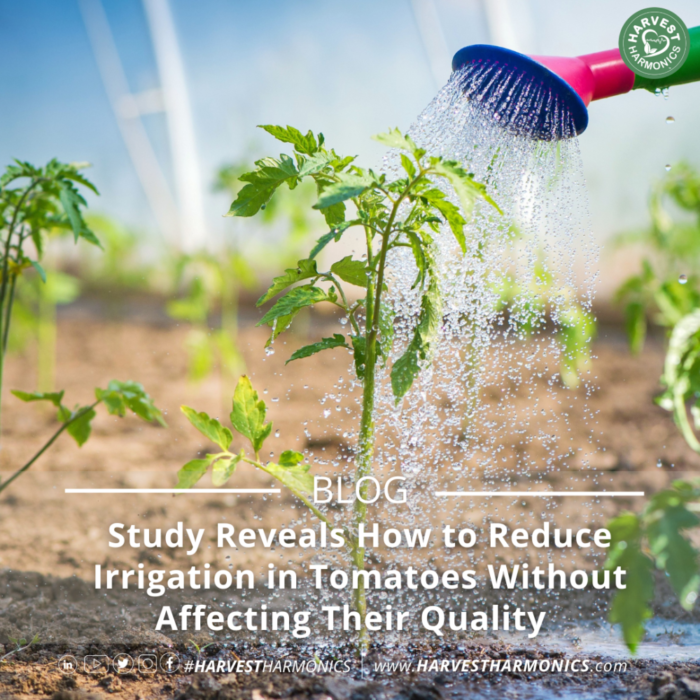
Study Reveals How to Reduce Irrigation in Tomatoes Without Affecting Their Quality
Study evaluated the effect of a sustainable agricultural practice, deficit irrigation in ‘Sunchocola’ tomatoes and found that the least amount of water does not affect the quality of the product Universidad de Sevilla
A study carried out by researchers from the University of Seville (2022) shows that deficit irrigation did not cause significant changes in the commercial quality of tomatoes (color, size, weight, firmness, sugars) while, at the same time, the content of healthy compounds like carotenoids tripled.
As revealed by the Mundo Agropecuario portal (2022), this study evaluated the effect of a sustainable agricultural practice, deficit irrigation on ‘Sunchocola’ tomatoes, characterized by their intense reddish-green coloration.
Deficit irrigation consists of reducing the use of water trying not to affect production. In this sense, the study proposes to reduce irrigation in the most resistant crop stage, controlling the level of stress in the plant, so as not to affect the quality and production of the tomato.
Specifically, the effect of this practice on productivity, commercial quality and the content of healthy compounds (carotenoids and phenolic compounds) was studied. The results show that there were no significant changes in the commercial quality of the product.
Likewise, although the content of phenolic compounds decreased slightly, the presence of carotenoids tripled. This result is of great nutritional importance since the consumption of carotenoids is associated with a lower risk of various diseases in addition to cosmetic benefits.
Similarly, the article highlights that, taking into account that the tomato is one of the most important crops worldwide, the efficient transfer of these results and those of other similar studies could contribute significantly to the global saving of irrigation water and the production of tomatoes with a higher content of compounds that are of great importance for cosmetic and health reasons.
If your goal is to optimize the use of water to irrigate your crops, Kyminasi Plant Crop Booster technology will help you achieve it.
We will show you some of our fantastic water saving results in others crops:
Improved Drought Tolerance & 75% Yield Increase of Grapes
in Peru
Date: June, 2020 (Fall)
Place: Casma, Perú
Details: Kyminasi Plant Booster (KPB) technology was installed on 5 hectares of Red Globe grapes at Frutos Hergu’s Farm in Peru.
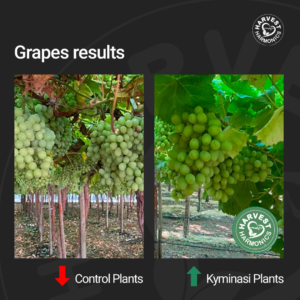
Results: Drought conditions in 2020 caused a 30% water deficit that adversely impacted yields in the Casma region of Peru where this farm is located. The field that was treated with KPB achieved greater yields and produced 75% more grapes than the control field even during an extreme drought. Overall, the KPB field produced 52.5% more grapes than the previous year’s yield.
KPB Grape Yield: 42 metric tons
Control Grape Yield: 24 metric tons
46% Reduction in Water Usage & 30% Yield Increase of Walnuts
in Chile
Date: January, 2021 (Summer)
Place: Chile
Details: Kyminasi Plant Booster (KPB) technology was installed on a field of walnut trees that had experienced salt toxicity as a result of a water deficit from the previous 3 years.
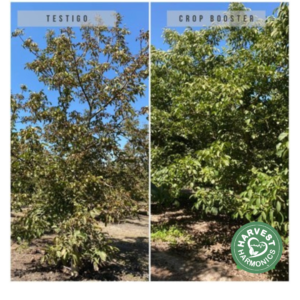
Results: The salt toxicity condition of the walnut trees was able to be completely reversed with the KPB technology and this allowed a total recovery of the vigor of the plants. KPB helped to decompact the soil and this allowed for a 46% reduction in water usage. The KPB walnut trees produced 30% more yield as compared to the control field.
Source:
University of Seville (March 7th, 2022). “Tomates de igual calidad con menos agua de riego”. Mundo Agropecuario. https://mundoagropecuario.com/tomates-de-igual-calidad-con-menos-agua-de-riego/
Press Room
Agricultural Technology for Farmers in India
Harvest HarmonicsTM New Biophysics Agricultural Technology For Farmers In India The Agricultural Biophysics technology, 20…
1
Organic Earth Tech, OETI, Launches One Million Dollar Technology
After hurricanes Maria and Irma, Puertorrican farmers are yet to receive the needed aid to recover. Organic Earth Tech…
0
Produce More From Less
CEO Harvest Harmonics Frank Arlia speaking at Replenish. Earth interview by Tia Kansara – London Climate Action Week. How…
0
Replenish Earth and the Environmental RE Talk Series
Replenish Earth and the environmental RE Talk Series event that reunited the top thinkers in the world Harvest Harmonics…
1
5 things you need to know about how Kyminasi Plant Crop Booster works
The Kyminasi Plant Crop Booster is a new technology that improves the health of plants, humans, and the environment overall. This technology can be installed on any irrigation system in the world.
Our devices consist of micro-transmitters that have been programmed with the specific bio-physical frequencies that a plant and its environment need for optimal operation and maximum biological potential.
Kyminasi Plant Crop Booster Technology works like a computer microchip. Precise “software-like” instructions are transmitted to plants using waves at different frequencies.
As the transmitted frequencies correspond to the natural molecular frequencies of soils and plants, these instructions can be received from them and will change function accordingly.
Kyminasi Plant Crop Booster Technology signals enhance and help balance secondary and micronutrient absorption and utilization.
Because this is a revolutionary technology that is transforming farming operations on five continents, there are many aspects that set it apart from other options on the market. For example:
- It lasts for two years: Kyminasi Plant Crop Booster Technology devices are designed to be installed at the irrigation system of any farm and their positive effects last for two years after water starts to pass throw the pipe.
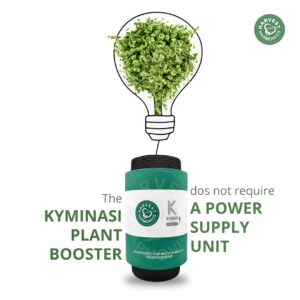
2. It doesn’t need a power supply: Kyminasi Plant Crop Booster Technology is completely self-powered. It doesn’t require maintenance or power, so literally you just have to attach it to the outside of the pipe without any expensive equipment or any power sources beyond the transmitters themselves.
3. It’s compatible with organic growth: Kyminasi Plant Crop Booster Technology is organic friendly because we’re using a signaling system and not a chemical input.
There’s really nothing in this technology which would violate any organic certifications, but in cases where organic growers are worried about it, we would consult with the certifier that you have.
4. It doesn’t harm pollinators: Kyminasi Plant Crop Booster Technology is completely safe for pollinators, in fact, this product is not a pesticide.
It doesn’t kill insects, but it stimulates the natural biological processes of plants in such a way that their own biological defense mechanisms against harmful insects are enhanced, however, it’s not going to harm insects because we’re not using a chemical approach.
We haven’t noticed any negative effects on any of our installations. We have over 500 farms around the world using the technology and we don’t have single report of any kind of pollinator problems.
5. It works on any type of irrigation: Kyminasi Plant Crop Booster Technology will work with flood irrigation, drip irrigation or pivots. This technology can be adapted to any type of irrigation system. Also, we are working on a foliar application for farmers that do not irrigate, that is still in the R&D phase.
Kyminasi Plant Crop Booster Technology is a systemic solution for plants to stay producing and they keep the photosynthesis process going no matter what’s happening and because of that we’re seeing increases in yield and quality in farms all over the world.
Press Room
Agricultural Technology for Farmers in India
Harvest HarmonicsTM New Biophysics Agricultural Technology For Farmers In India The Agricultural Biophysics technology, 20…
1
Organic Earth Tech, OETI, Launches One Million Dollar Technology
After hurricanes Maria and Irma, Puertorrican farmers are yet to receive the needed aid to recover. Organic Earth Tech…
0
Produce More From Less
CEO Harvest Harmonics Frank Arlia speaking at Replenish. Earth interview by Tia Kansara – London Climate Action Week. How…
0
Replenish Earth and the Environmental RE Talk Series
Replenish Earth and the environmental RE Talk Series event that reunited the top thinkers in the world Harvest Harmonics…
1
Universitiy Result
As Harvest Harmonics is a new technology that is completely revolutionizing the way we do agriculture, many scientists have become interested in the completely new understanding of exactly how plants work and how we can make them perform their functions at their highest level all the time with this organic and sustainable solution.
Harvest Harmonics is on a mission to revitalize and revolutionize the agriculture industry with new technology that increases nutrient absorption, yield, and reduces the use of chemicals and pesticides in all farming operations. The result is greater profit for the hard work of our farmers and better quality of fruits and vegetables so that everyone can eat.
The basis of this technology starts from the principle of biophysics, we apply physics directly to the biology of plants. All living things on this planet have a kind of biology and plants are no different. In fact, plants operate according to a specific pattern of signals that allow them to produce all the fruits and vegetables we enjoy eating. We studied about thousands of varieties of plants and discovered that in all types of plants: grass, grass, fruit trees, no matter what it is, all those that perform the process of photosynthesis operate with a set of ordered signals that allows them to produce fruits and vegetables. And we noticed that stressed plants of the same variety have an altered signal pattern and, as a result, are not able to produce the energy they need to grow, be healthy, and generate fruits and vegetables. And we can mention that using biophysical equipment there is a positive change in this pattern of signals.
So what we do is reinforce the metabolism of the plant using a set of frequencies that allows the plant to grow resistant, healthy and fast, operating according to its optimal potential. This technology has never been seen, they are not magnets or magnets, it is a completely new technology. What we do is program our microtransmitters with these 3000 healthy photosynthesis signals and install it in the irrigation system, so that every moment the farmer waters his plants is essentially reinforcing the ideal metabolism of that plant and that plant will be able to produce more energy for longer periods of time, which previously could not have been possible. In fact, it has been studied that most plants cannot absorb and use all the amount of fertilizer, for example, that we give to plants, on average they use 20 to 30% in a good field. Our technology helps to increase to a probable value of 40-50% allowing them to use the nutrition we give you. In fact, in many cases, we found that we were able to completely eliminate the use of fertilizers because the plants absorb what they need and produce good crops without needing to add an extra amount of fertilizer. And improving microbial activity in the soil is also helping to produce the nitrogen that plants need to survive and grow healthy.
That is why today, in this blog, we want to share one of our results with universities that participate in our program of 1000 scientific trials around the world with Kyminasi Plant Crop Booster technology. If you are interested in doing a scientific essay at a University with our technology, please contact us.
Thesis in Corn: Universidad Francisco de Paula Santander
Date: March 2022.
Place: Ocaña, Colombia.
Details: Kyminasi Plant Booster was installed at Universidad Francisco de Paula Santander, Colombia.
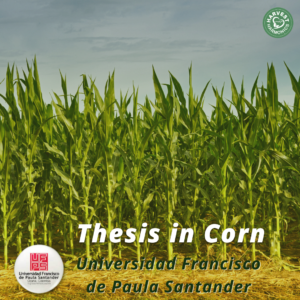
Some Results: The pH of the soil was stabilized from slightly acidic to neutral and the EC of the soil solution was reduced by 50% in the treatment field, while in the control field the acidity of the soil increased and the EC remained the same.
- The average height in the treatment field was 2.80m and in the control field 1m.
- The stem thickness in the control field was 1.78cm and in the treatment it was 2.76cm.
- In average width of the blade was 9.08cm in the treatment and in the control it was 6.89cm
- The average number of leaves in the treatment was 11.64 and in the control was 9.16
- The Green Forage Yield (RFV) in the treatment was 125 while the RFV in the control was 115.
- The linear yield of maize in the treatment was 7.59kg/m and in the control it was 1.58kg/m.
- The raw fodder obtained in the treatment field was 79,664kg and in the control field it was 11,672kg.
- Water consumption in the treatment field was 94,770L and in the control it was 189,540L.
- Brix degrees in the treatment were 11.5% and in the control 8.5%.
- Titratable acidity (probability of rot) is lower in treatment with 2.5% and the control has on average 3.75%.
- The average maturity index in the treatment is 4.6 (post-harvest durability) and the control is 2.3.
- The beneficial microbiota in the treatment field is 7.92% higher than in the control with 4.47%.
- Final average of cobs per plant was 2 in the treatment and 1 in the control.
Created By: Mariangel Rodriguez
Press Room
Agricultural Technology for Farmers in India
Harvest HarmonicsTM New Biophysics Agricultural Technology For Farmers In India The Agricultural Biophysics technology, 20…
1
Organic Earth Tech, OETI, Launches One Million Dollar Technology
After hurricanes Maria and Irma, Puertorrican farmers are yet to receive the needed aid to recover. Organic Earth Tech…
0
Produce More From Less
CEO Harvest Harmonics Frank Arlia speaking at Replenish. Earth interview by Tia Kansara – London Climate Action Week. How…
0
Replenish Earth and the Environmental RE Talk Series
Replenish Earth and the environmental RE Talk Series event that reunited the top thinkers in the world Harvest Harmonics…
1
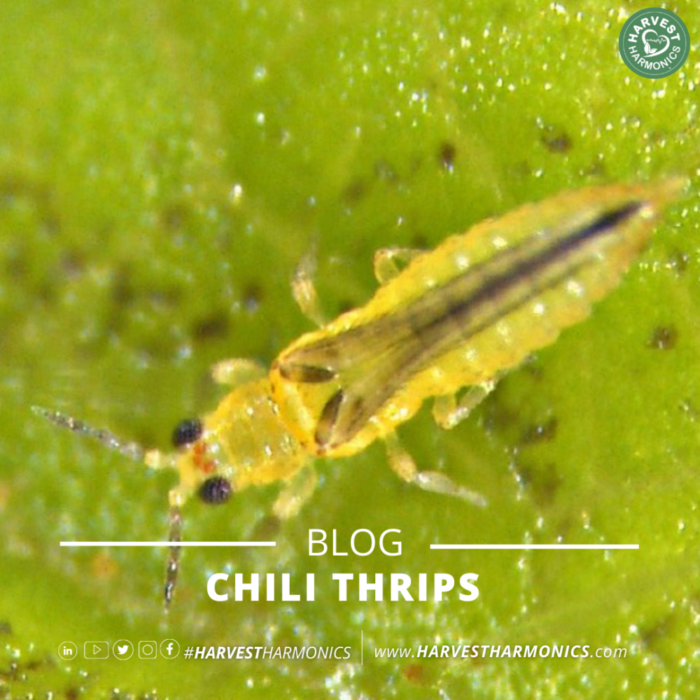
Chili Thrips
Scirtothrips dorsalis or also known as Chilli thrips is a harmful organism listed as a quarantine pest. It is an insect with a wide spectrum of host plants (more than 150 species), including crops of commercial interest such as: beans, tomato, eggplant, cucumber, onion, pepper, peanut, soybean, strawberry, corn, citrus, cocoa, banana, fig, grape, kiwi, mango, peach, rose, pear, chrysanthemum, tea, cotton, tobacco, etc. Likewise, it can be found in numerous ornamental or spontaneous species (Plant Health Service Murcia, 2017).
It is an extremely voracious invasive pest, widely distributed worldwide, first described in India in 1919. Currently, its distribution is mainly located in Southeast Asia, China, Japan, the Middle East, Oceania, Africa, the Caribbean and some countries. South America and, in more detail, in the United States (Florida, Texas, Georgia and Hawaii), Israel, New Guinea, South Africa and Uganda (Plant Health Service Murcia, 2017)
Its small size (2mm) and its rapid movement make it difficult to detect this insect in fresh vegetation. Eggs of up to 0.2 mm are inserted into the soft tissues of the plant, so these characteristics increase the chances of spreading Scirtothrips dorsalis through fresh plant materials (Agricola et al., n.d.)
This insect, with its mouthparts, extracts the contents of the epidermal cells, generating necrosis of the tissue, which changes the color turning it brown or black. It causes scars where it fed, distortion of the leaves, discoloration of the buds, as well as of the flowers and young fruits. It has not been recorded that it has feeding habits on mature tissues. Infested plants are stunted, and in severe cases total defoliation can occur, generating great losses. In addition, it is a transmitter of viruses that affect crops such as tobacco, peppers, peanuts and melons. S. dorsalis is a free-living organism that spreads to other locations through the flow of infested plant material (young leaves, apical parts of plants, flowers and fruits), as well as by air currents (Agricola et al., n.d.).
Apart from the direct damage, another of the problems that this pest can cause to some important crops is the fact that, by having to carry out specific chemical treatments for its control during the flowering-fruiting season, they can negatively affect numerous species of fauna. auxiliary that in turn keeps other pests of these crops controlled, causing their subsequent emergence (Rodríguez Tapia et al., 2016).
Due to the speed of its spread and the difficulty of detecting it, strategies for its control have been developed over the years, such as:
a) Biological fight: for the control of this plague, the literature shows the existence of several species that can exert a certain interaction with S. dorsalis, such as, for example; Orius spp. or Amblyseius swirskii, so it is to be assumed that in this case something similar will happen with some of the auxiliary species that already control other species of thrips that inhabit various orchards.
b) Technological fight: The placement of yellow gummed chronotropic plates has been shown to be a useful tool for their capture. In principle, this system could be suitable for use in population monitoring or mass capture (in the case of greenhouse crops). Another technology that would significantly help control it is Kyminasi Plant Crop Booster, which has been shown to significantly optimize the immune system of plants, so the incidence of plants is lower.
c) Chemical fight: The most suitable moment for its control is in the initial larval stage. The products that have been most effective in other countries where this pest is present would be pyrethroids, although there may be other active substances of interest such as imidacloprid, azadirachtin, spinosad or spirotetramat. However, the affected crop must be studied to determine, according to authorizations, which products would be used in each case (Plant Health Service Murcia, 2017).
Sources:
129620-SERVICIO DE SANIDAD VEGETAL MURCIA_FICHA SCIRTOTHRIPS DORSALIS_Enero 2017. (n.d.).
Agrícola, P., Servicio, G., & Vegetal, S. (n.d.). Scirtothrips dorsalis CONSEJERÍA DE AGRICULTURA, PESCA Y DESARROLLO RURAL INTRODUCCIÓN PRINCIPALES HUÉSPEDES, DESCRIPCIÓN Y CICLO BIOLÓGICO.
Rodríguez Tapia, J. L., Hernández Espinosa, D., Zamora Rodríguez, V., Pérez Castro, J. M., & Fortes Ponce, H. (2016). Primer informe de la presencia de Scirtothrips dorsalis Hood (Thysanoptera: Thripidae) en Cuba first report of the presence of Scirtothrips dorsalis Hood (Thysa-noptera: Thripidae) in Cuba. In Hoddel & Mound (Vol. 20, Issue 1).
Press Room
Agricultural Technology for Farmers in India
Harvest HarmonicsTM New Biophysics Agricultural Technology For Farmers In India The Agricultural Biophysics technology, 20…
1
Organic Earth Tech, OETI, Launches One Million Dollar Technology
After hurricanes Maria and Irma, Puertorrican farmers are yet to receive the needed aid to recover. Organic Earth Tech…
0
Produce More From Less
CEO Harvest Harmonics Frank Arlia speaking at Replenish. Earth interview by Tia Kansara – London Climate Action Week. How…
0
Replenish Earth and the Environmental RE Talk Series
Replenish Earth and the environmental RE Talk Series event that reunited the top thinkers in the world Harvest Harmonics…
1
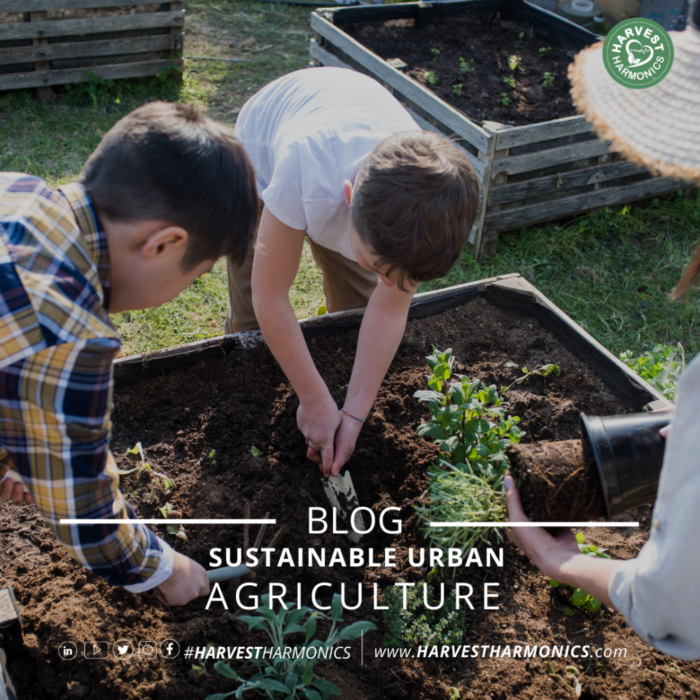
Sustainable Urban Agriculture
Sustainable urban agriculture seeks to provide safe food through the sustainable intensification of space and biodiversity, soil and water resources to obtain higher yields in the short, medium and long term.
Around 15 percent of the world’s food is now grown in urban areas. According to the U.N. Food and Agriculture Organization (FAO), urban farms already supply food to about 700 million residents of cities, representing about a quarter of the world’s urban population. And by 2050, almost 80 percent of the world’s population is projected to reside in urban areas (Nick, 2022).
It involves the use of appropriate management practices and technologies, applying production methods and systems that optimize yields, maintaining and developing the locally available resource base.
For this, it develops technologies appropriate to the agroclimatic, social, cultural and economic conditions of intra and peri-urban farmers, promoting good practices that include the fair and equitable distribution of the costs and benefits associated with production. In this way, it contributes to reducing inequalities in access to resources and inputs that tend to limit the development of many farmers, especially the poorest.
Agriculture in the cities is practiced by intra-urban farmers, generally people with limited resources who produce for self-consumption and the commercialization of small surpluses obtained by cultivating and raising animals in small plots or spaces (in their homes or in community or group gardens) that do not exceed a few square meters, and who are located within cities. It is also practiced by peri-urban farmers, often family members and with a certain agricultural tradition, who produce for the market in larger plots located on the urban periphery that are usually measured in hectares.
Nowadays there are agreements for sustainable urban agriculture practices, one of which is The Milan Pact.
The Milan Urban Food Policy Pact is an international agreement of Mayors. It is more than a declaration; it is a concrete working tool for cities. It is composed of a preamble and a Framework for Action listing 37 recommended actions, clustered in 6 categories. For each recommended action, there are specific indicators to monitor progress in implementing the Pact. The Milan Pact Awards offer concrete examples of the food policies that cities are implementing in each of the 6 Pact categories. Actually, there are more than 240 signatory cities worldwide (MUFPP, 2022).
One of the main limitations that both intra- and peri-urban farmers must overcome is the sustainable management of pests and diseases that cause losses in yields and product quality, before, during and after the harvest. Therefore, a timely management of pests and diseases will benefit them with a more efficient production, at a lower cost, safer for their health and that of their families and respectful of the environment, urban environments and their communities.
A great way to continue contributing to sustainable agriculture is with Kyminasi Plants Crop Booster technology, which has a small size device designed for gardens that can work perfectly for sustainable urban agriculture. With our technology, the production and quality of fruits and vegetables will increase, in addition to improving plant resistance to pests, producing healthy fruits and vegetables and healthy plants.
If you would like to know more about our technology, contact us on our website organic-earth-tech-harvest-harmonics.websitepro.hosting
Sources:
Millan Urban Food Policy Pact (MUFPP). (2022). Local solutions for global issues. Website: https://www.milanurbanfoodpolicypact.org/
Nick, E. (2022). 26 Inspiring Urban Agriculture Projects. Foodtank: the think tank for food. Website: https://foodtank.com/news/2015/07/urban-farms-and-gardens-are-feeding-cities-around-the-world/
Press Room
Agricultural Technology for Farmers in India
Harvest HarmonicsTM New Biophysics Agricultural Technology For Farmers In India The Agricultural Biophysics technology, 20…
1
Organic Earth Tech, OETI, Launches One Million Dollar Technology
After hurricanes Maria and Irma, Puertorrican farmers are yet to receive the needed aid to recover. Organic Earth Tech…
0
Produce More From Less
CEO Harvest Harmonics Frank Arlia speaking at Replenish. Earth interview by Tia Kansara – London Climate Action Week. How…
0
Replenish Earth and the Environmental RE Talk Series
Replenish Earth and the environmental RE Talk Series event that reunited the top thinkers in the world Harvest Harmonics…
1