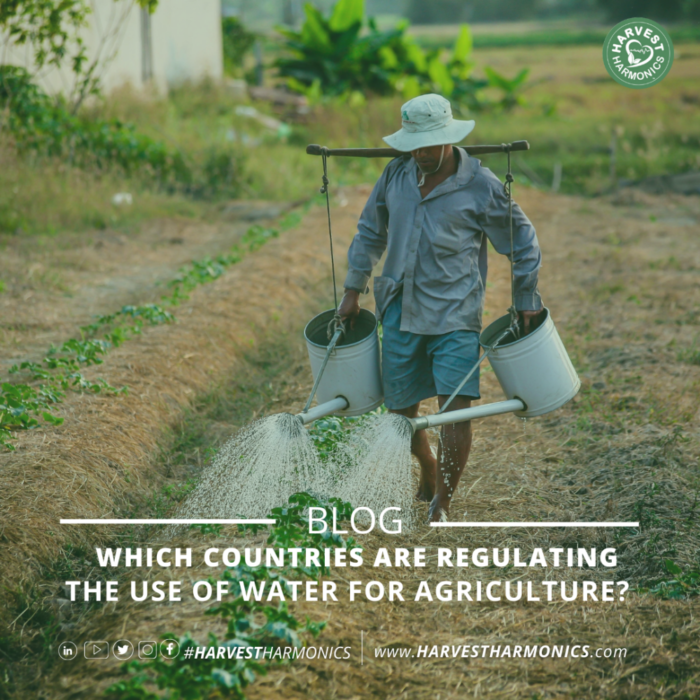
Which countries are regulating the use of water for agriculture?
Mars looks scary. For some people, the red planet is the object of study, some others even want to go and live there. The main requirement to make that adventure possible is not to find gold, oil, or oxygen. The major concern is finding water. This molecule has many characteristics that make it not only unique but necessary to life.

The search for enough water is one of the challenges in Mars’ expeditions plans
Philosophy aside, water plays a major role in agriculture, as it is a primally resource, together with sunlight, of a good part of the crops grown worldwide (for example: hydroponics doesn’t need sunlight). Approximately, only 1 in every 5 farmers around the globe use irrigation systems. This might seem like a small number, but the World Bank (2022) disagrees:
Water is a critical input for agricultural production and plays an important role in food security. Irrigated agriculture represents 20 percent of the total cultivated land and contributes 40 percent of the total food produced worldwide.
Farms that use irrigation can be more productive
Furthermost, irrigation plays a significant part in mechanized farming operations’ efficiency:
Irrigated agriculture is, on average, at least twice as productive per unit of land as rainfed agriculture, thereby allowing for more production intensification and crop diversification. (Ibid)
This efficiency that allows all of us to eat comes with a cost:
Currently, agriculture accounts (on average) for 70 percent of all freshwater withdrawals globally (and an even higher share of “consumptive water use” due to the evapotranspiration of crops). (Ibid)
The direct consequence of this water usage volume is that farmers are struggling to find reliable water sources, increasing the cost of producing food. Also, authorities in many countries are imposing laws and regulations to reduce the amount of water used in agriculture.
Production of the national food supply represents one critical use for water in the U.S.
(California Department of Water Resources, 2020)
Countries regulating the use of water for agriculture:
- Italy: authorities ordered that fruit trees and poplars no longer be watered in the region around the Sesia river. The saved water will be used to irrigate rice crops.
- Portugal: several towns in southern Portugal have already activated an emergency plan to reduce the irrigation of crops in 1800 farms.
- Spain: the water demand keeps growing in the third-largest European agricultural producer. At least one-fifth of the land is still irrigated using unsustainable methods.
How can farmers stay productive?

Fresh water is a limited resource, it’s needed for plenty of industrial processes. Agtech plays an important role in aiding farmers to increase efficiency and lower costs. Markets show an increase in alternatives to save water and keep farms profitable.
- Knowledge is key: a careful reading of the regulations will provide farmers with tools to understand and play by the rules without jeopardizing their operations success.
- Search for help: sharing experiences with other farmers, especially when it comes to technology, can give solutions according to each case’s needs. Harvest Harmonics offers a free cost-benefit analysis service to the readers of this post.
- R&D: some governments offer grants to those farms that use new technologies or strategies to reduce water usage. If you are in California, you can read about funding agricultural water use efficiency projects in the section “Cool resources” 👇🏻.
We are living changing times. The most important thing is to take care of those that matter and keep them safe, so no one would have to think of Mars as their new home. What do you think about these regulations? Are they being fair to farmers? We would love to read your opinion!
Harvest Harmonics with their Kyminasi Plants Crop Booster can help you, our farmers and our world in different kind of manners: Faster Soil Water Infiltration, Reduction of Excessive Soil Electrical Conductivity, Reduction or Savings in water and at the same time, Increase in Yields, Savings in Fertilizer, Increase in Brix Levels and Pest Resistance, all together. Connect with Harvest Harmonics’ social networks.
Cool resources:
- World Bank Infographic about irrigation
- Harvest Harmonics Cost – benefit analysis
- Agriculture Water Use Efficiency (ca.gov)
Sources and more to reed:
OECD_Food_Ag_Fisheris_Paper.pdf (fao.org)
Agricultural Water Use, EnviroAtlas National Data Fact Sheet, January 2014 (epa.gov)
Water in Agriculture (worldbank.org)
Press Room

Agricultural Technology for Farmers in India
Harvest HarmonicsTM New Biophysics Agricultural Technology For Farmers In India The Agricultural Biophysics technology, 20…
1

Organic Earth Tech, OETI, Launches One Million Dollar Technology
After hurricanes Maria and Irma, Puertorrican farmers are yet to receive the needed aid to recover. Organic Earth Tech…
0

Produce More From Less
CEO Harvest Harmonics Frank Arlia speaking at Replenish. Earth interview by Tia Kansara – London Climate Action Week. How…
0

Replenish Earth and the Environmental RE Talk Series
Replenish Earth and the environmental RE Talk Series event that reunited the top thinkers in the world Harvest Harmonics…
1

What if you had to cut your nitrogen by 50%?
Nitrogen is the main limiting nutrient after carbon, hydrogen and oxygen for photosynthetic process, phyto-hormonal, proteomic changes and growth-development of plants to complete its lifecycle. Excessive and inefficient use of N fertilizer results in enhanced crop production costs and atmospheric pollution. Atmospheric nitrogen (71%) in the molecular form is not available for plants. For the world’s sustainable food production and atmospheric benefits, there is an urgent need to upgrade nitrogen use efficiency in agricultural farming system. Nitrogen use efficiency is the product of nitrogen uptake and utilization efficiency, it varies from 30.2 to 53.2%. Nitrogen losses are too high due to excess amount, low plant population, poor application methods etc., which can go up to 70% of total available nitrogen (Anas et al., 2020).
Frink et al. (1999) stated that nitrogen (N) plays an important role in crop plants. It is involved in various critical processes such as growth, leaf area-expansion and biomass-yield production. Various plant molecules such as amino acids, chlorophyll, nucleic acids, ATP and phyto-hormones, that contains nitrogen as a structural part, are necessary to complete the biological processes, involving carbon and nitrogen metabolisms, photosynthesis and protein production.
Anas et al. (2020) mentioned that insufficient amount of N available to plants can hinder the growth and development. Nitrogen can also improve root growth, increase the volume, area, diameter, total and main root length, dry mass and subsequently increase nutrient uptake and enhance nutrient balance and dry mass production.
Worldwide high nitrogen fertilizer application results in economic loss and ecological hazardous due to extra consumption of resources, water eutrophication, and high rate of greenhouse gas emissions along with potential leaching. The inefficient N utilization with poor transformation of provided N results in unintentional fertilizer loss in soil, atmosphere and promoting contamination of groundwater, distort connecting biological communities and cause dangerous atmospheric deviation, through the emission of the poisonous ozone depleting substance nitrous oxide (Galloway et al., 2008), eutrophication, air pollution, N leaching, water pollution, soil acidification and soil degradation which is not suitable for environment friendly crop production and human life (Anas et al. 2020)
The whole fertilizer issues back in February when started to becoming a really issues for farmers even before the main season and all the atmosphere, that was even before Rusia and Ukraine conflict started around that time. The conflict doesn’t go away, even if the conflict ended yesterday, the reply effects of that conflict and the related with it will continue against Russia and everything related with this reply effect of fertilizer usage (Kurtz, 2022).
It is interesting to see how people react to this type of problem. One problem you can look like a claimed issue, let’s ask us, what does farming or agriculture play in global warming, environmental problems, etc., and how we will deal with these kinds of things. (Kurtz, 2022)
We think that there is a lot of pressure by certain groups to really move this really forward fast now, making fast reaction governments around the world in turns of environmental policies. One of these policies measurements is the fact that farmers have to reduce their nitrogen usage with numbers as 50%, this dramatically cut the food production which is translated as people being hungry (Kurtz, 2022).
When you force somebody to do something and you don’t have an available solution, a replacement to help them, this means a lot of farmers just can’t be able to survive doing things in a different way. So, one excellent solution is the Kyminasi Plants Crop Booster technology: this technology was developed for environmental prospective; actually, it was developed for two reasons: 1) To make human food healthier, it means reduce the among of chemicals, that includes nitrogen to growing food so people could be healthier, have a more nutritious body and, 2) reduce environmental impact, reduce nitrogen emissions, chemical emissions, poisoned soils and poisoned environment (Kurtz, 2022).
Farmers need help with these new policies and measurements and Kyminasi Plants Crop Booster is one of the best to help them. If you are a farmer, answer this question for you or let us know: would you like to reduce input cost, reduce fertilizer use and produce better quality crops and comply with the government’s regulations?
We are Harvest Harmonics and we want you to be part of the future of agriculture today. We are revolutionizing the agriculture industry worldwide.
Sources:
Anas, M., Liao, F., Verma, K.K. et al. (2020). Fate of nitrogen in agriculture and environment: agronomic, eco-physiological and molecular approaches to improve nitrogen use efficiency. Biol Res 53, 47. https://doi.org/10.1186/s40659-020-00312-4
Frink CR, Waggoner PE, Ausubel JH (1999). Nitrogen fertilizer: retrospect and prospect. Proc Natl Acad Sci. 1999;96:1175–80.
Galloway JN, Townsend AR, Erisman JW, Bekunda M, Cai Z, Freney JR, Martinelli LA, Seitzinger SP, Sutton MA (2008). Transformation of the nitrogen cycle: recent trends, questions, and potential solutions. Science. 2008;320:889–92
Kurtz, J (2022). What if you had to cut your nitrogen by 50%? [Webinar]. Harvest Harmonics Corp. https://youtu.be/tNwkeCsj4wA
Press Room
Agricultural Technology for Farmers in India
Harvest HarmonicsTM New Biophysics Agricultural Technology For Farmers In India The Agricultural Biophysics technology, 20…
1
Organic Earth Tech, OETI, Launches One Million Dollar Technology
After hurricanes Maria and Irma, Puertorrican farmers are yet to receive the needed aid to recover. Organic Earth Tech…
0
Produce More From Less
CEO Harvest Harmonics Frank Arlia speaking at Replenish. Earth interview by Tia Kansara – London Climate Action Week. How…
0
Replenish Earth and the Environmental RE Talk Series
Replenish Earth and the environmental RE Talk Series event that reunited the top thinkers in the world Harvest Harmonics…
1
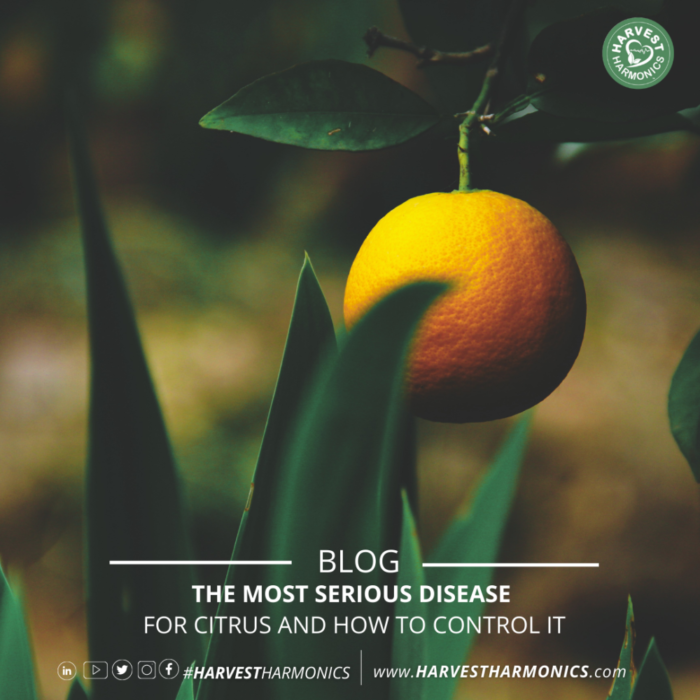
The Most Serious Disease For Citrus And How To Control It.
The HLB (Huanglongbing) or citrus greening is a disease spread by the Asian citrus psyllid (Diaphorina citri). It was first described in Asia in the early 1900s (USDA, 2021). Before it was identified as one disease, it became known by various names: yellow shoot (huanglungbin) in China; likubin (decline) Taiwan; dieback in India; leaf mottle in the Philippines; vein phloem degeneration in Indonesia; and yellow branch, blotchy-mottle, or greening in South Africa (Da Graqa, 1991). Citrus huanglongbing (HLB), or greening, is the most destructive citrus disease worldwide and is threatening the sustainability of the industry in major citrus-growing regions (Sheng et al., 2020).
Symptoms of HLB can occur throughout the tree, especially if the infection occurs at or soon after propagation (McClean, 1970), it includes blotchy mottle leaves, stunted growth, reduced fruit size, premature fruit drop, corky veins, and root decline. HLB eventually causes tree death (USDA, 2021). Da Graga (1991) mentions that, generally, leaf symptoms are of two types: Primary, which are characterized by yellowing of normal-sized leaves along the veins and sometimes by the development of a blotchy-mottle; and secondary, where the leaves are small, upright, and show a variety of chlorotic patterns resembling those induced by zinc and iron deficiencies. Analysis of symptomatic leaves shows a higher potassium content and lower calcium, magnesium, and zinc concentrations.
Infected fruits are small, lopsided, and have a bitter taste (McClean, 1970), Kapur et al. added that it was probably because of higher acidity and lower sugars. Many fall prematurely, while those that remain on the tree do not color properly, remaining green on the shaded side (155), hence the name of the disease. Any seeds in severely affected fruit are often abortive (McClean, 1970).
There is no cure for this disease once a tree is infected. While the disease poses no threat to humans or animals, it has devastated millions of acres of citrus production around the world, including in the United States. According to USDA (2021), the first detection of HLB in the United States occurred in Florida in 2005. Since 2005, HLB has spread through the citrus-producing areas in Florida, reducing citrus production by 75%, while more than doubling the cost of production. In 2008, HLB was detected in Louisiana, and in 2009, the disease was detected in Georgia and South Carolina. In 2012, HLB was detected in Texas and residential areas of California. HLB has been known in Asia since 1900, and Africa since 1920. The first detection of HLB in the Americas was in Brazil in 2004.
Once a tree is infected with the bacteria, it can remain without detectable symptoms for months or years. During this symptomless phase, the tree can serve as a source of bacteria to infect other trees. Over time, an infected tree will start producing fewer fruit that are smaller, shaped irregularly, and taste bitter (USDA, 2021).
To help to prevent citrus disease, to make the tree more resistant, some new ways are needed to try to help them, like technologies that could increase pest resistance. Kyminasi Plants Crops Booster is one of these technologies that could increase pest resistance and benefit the crops in other aspects such, better quality and yield.
SOURCES:
Da Graga, J. V. (1991). Citrus greening disease. Annu. Rev. Phytopathol. South Africa. nnual Reviews Inc. 29:109-36
Kapur, S. P., Kapoor, S. K.0 Cheema, S. S., Dhillon, R. S. 1978. Effect of greening disease on tree and fruit characters of Kinnow mandarin. Punjab Horticult. J. 18:176-79 (Horticult. Abstr. 50:470)
McClean, A. P. D. 1970. Greening disease of sweet orange: its transmission in propagative parts and distribution in partially diseased trees. Phytophylactica 2:263 68
McClean, A. P. D., Schwarz, R. E. 1970. Greening of blotchy-mottle disease of citrus. Phytophylactica 2:177-94
Sheng l., Feng W., Yongping D., Singerman A., Guan Z. (2020). Citrus Greening: Management Strategies and Their Economic Impact. American Society for Horticultural Science. 55-5. https://doi.org/10.21273/HORTSCI14696-19
USDA (May 20, 2021). Citrus Greening. USA. Animal and Plant Health Inspection Service U.S. DEPARTMENT OF AGRICULTURE. URL: https://www.aphis.usda.gov/aphis/ourfocus/planthealth/plant-pest-and-disease-programs/pests-and-diseases/citrus/citrus-greening
Press Room
Agricultural Technology for Farmers in India
Harvest HarmonicsTM New Biophysics Agricultural Technology For Farmers In India The Agricultural Biophysics technology, 20…
1
Organic Earth Tech, OETI, Launches One Million Dollar Technology
After hurricanes Maria and Irma, Puertorrican farmers are yet to receive the needed aid to recover. Organic Earth Tech…
0
Produce More From Less
CEO Harvest Harmonics Frank Arlia speaking at Replenish. Earth interview by Tia Kansara – London Climate Action Week. How…
0
Replenish Earth and the Environmental RE Talk Series
Replenish Earth and the environmental RE Talk Series event that reunited the top thinkers in the world Harvest Harmonics…
1
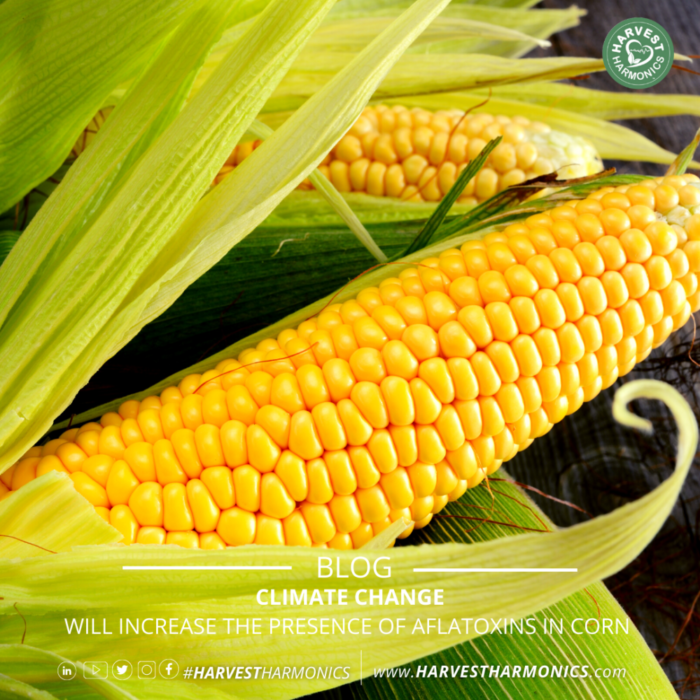
Climate Change Will Increase the Presence of Aflatoxins in Corn
A study carried out in the United States projects risky levels of this type of toxin for the period between 2031 and 2040 (Niklas, 2022).
Changes in the climate will abandon the global food production market: This is reflected in a recent investigation carried out by the Michigan State University (MSU). The document will warn about the increase in the levels of aflatoxins present in North American corn due to climate change. This is mainly explained by the alterations that food can suffer from climate variations, which, according to the document, will increase the loss of fungi that produce this type of toxin in corn (Niklas, 2022).
The study modeled the impact of rising temperatures and advancing dry weather conditions that have been projected in certain regions of the United States for decades to come. And it is that the characteristics of that type encourage the spore of aflatoxin-producing fungi to become airborne, which increases their chances of contaminating crops (Niklas, 2022).
The fungi Aspergillus flavus and Aspergillus parasiticus are producers of aflatoxin, a microtoxin that can infect peanuts, walnuts and corn, not only degrading the quality of crops, but also causing health problems for humans and animals (Niklas, 2022).
The study projected an increase in the risk of the presence of aflatoxins between the years 2031-2040 due to the increase in temperature that North American corn-producing regions may experience during those years. Thus, the investigation indicated that, for that period of time, 89.5% of the counties belonging to corn-producing states will be exposed to a greater amount of aflatoxins. Specifically, 5.3% of those counties are expected to experience a 1% increased risk of increased susceptibility to these types of toxins (Niklas, 2022).
Although cases associated with the presence of aflatoxins in corn fields are currently limited to the southern states of North America, changes in the climate of that country could push the problem to the Corn Belt. According to the study, Niklas (2022) mentioned that this could cause “alterations in the national and world corn markets, increasing the expected economic impact.”
Thus, it is expected that in the future the production of corn crops may be displaced to more extreme regions of the north or south of the country, where the climate is cooler and more humid, which could reduce the risks of aflatoxins in crops. However, this could affect the culture of exploitation that has been developed over generations in states with traditional corn production (Niklas, 2022).
Finally, Niklas (2022) stated that the document highlights the need for a plan to mitigate the risk that the increase in aflatoxins in North American corn can bring. In addition, the use of irrigation is emphasized as a strategy to reduce the risk of aflatoxins, since this technique reduces the stress related to the effects produced by water scarcity in corn, such as fungal infections. In addition, researchers are already using conventional and biotechnological farming techniques to develop crops that are more resistant to drought, insect damage, and the aforementioned fungal infections.
An excellent biotechnological option is the Kyminasi Plant Crop Booster system, which is a technology that applies biophysics to crops and allows calibrating or fine-tuning the signals of plant cells to obtain a better performance and improve photosynthesis as well as the soil system and its beneficial microorganisms.
The Kyminasi Plant Crop Booster technology would benefit all those vegetable, fruit and flower growers to realize an environmentally friendly, sustainable agriculture because it could reduce the use of fertilizers and optimize the use of irrigation water.
If you would like to know more about our technology, contact us on our website www.harvestharmonics.com
Source:
Niklas, R. (May 9, 2022) Cambio climático aumentará la presencia de aflatoxinas en maíz Red Agrícola. https://www.redagricola.com/cl/cambio-climatico-aumentara-la-presencia-de-aflatoxinas-en-maiz/#:~:text=El%20estudio%20proyect%C3%B3%20un%20aumento,ma%C3%ADz%20norteamericano%20durante%20esos%20a%C3%B1os.
Edit by: Mariangel Rodríguez
Press Room
Agricultural Technology for Farmers in India
Harvest HarmonicsTM New Biophysics Agricultural Technology For Farmers In India The Agricultural Biophysics technology, 20…
1
Organic Earth Tech, OETI, Launches One Million Dollar Technology
After hurricanes Maria and Irma, Puertorrican farmers are yet to receive the needed aid to recover. Organic Earth Tech…
0
Produce More From Less
CEO Harvest Harmonics Frank Arlia speaking at Replenish. Earth interview by Tia Kansara – London Climate Action Week. How…
0
Replenish Earth and the Environmental RE Talk Series
Replenish Earth and the environmental RE Talk Series event that reunited the top thinkers in the world Harvest Harmonics…
1
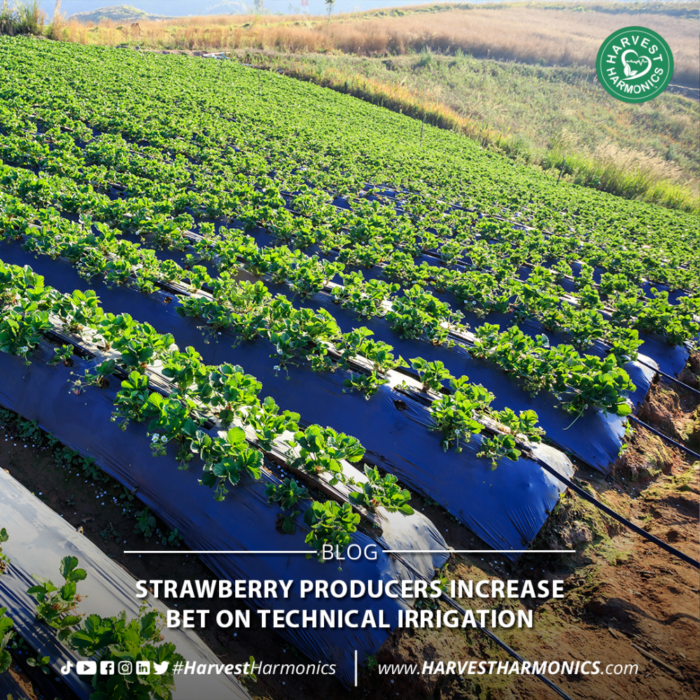
Strawberry Producers Increase Bet on Technical Irrigation
With their sights set on the next fruit campaign, companies are installing mulch and irrigation tape, which means a greater installed area regarding past years and better production yields.
As the Peruvian strawberry production grows, concerns about its environmental impact increases. Something that is evident given this crop’s dynamism, especially in Lima’s small north valleys, where this campaign will produce around 2.200 hectares (5.436 acres), while at national level are between 3.500 to 3.800 hectares (8.648 to 9.390 acres) already installed. In this area is where 80% of the national market strawberries are cultivated, as well as the frozen ones for the main markets as USA, Canada, Korea, Japan and Europe.
Nonetheless, berries’ advisor José Cordero points out that this is an intense crop whose production requires a large amount of resources (water, energy, fertilizers, plastic, etc.) and that it generates a big environmental impact. One of the main impacts is in hydric resources, given that most of the farms take water from the High Andean basins that supply to rivers all year round. “For this reason, the work of the user commissions of the hydraulic subsector that includes the Huaral, Huaura and Barranca valleys is essential”, he recommends.
At the same time, this is a fairly “sensitive” crop, so it is appropriate to adopt the most innovative agronomical practices. Along these lines, current cultivation techniques allow strawberries to grow successfully under certain different climate conditions, open-field plants, in a protected or soilless environment. “Despite this wide adaptability, only perfect irrigation management will guarantee excellent results, both in terms of quantity and in quality”, indicates the expert and points out that the adoption of a drip irrigation system and waterings’ correct planning are key to achieve good aesthetic and organoleptic quality and, at the same time, a high production.
Campaign with increased planting under irrigation tapes
It should be noted that in Peru for years it is cultivated under two types of cultivation and irrigation systems with different results. “In the first one, the ground level crop with gravity irrigation has average yields of 35 tons in the valley. And the second one, that is under ridges systems with mulch (plastic coverage at ground level) and irrigation tapes, is yielding an average of 45 tons in the valley”, Cordero underlines.
In view of this, he notes that this 2022 strawberry campaign a lot of mulch and irrigation tapes have been installed, showing a larger installment area than previous years. “We can clearly see a greater interest in support from some companies to motivate this type of planting; just in Huaral, Huaura and Barranca valleys there will be installed approximately 450 hectares (1.112 acres), only from small producers of 2-5 hectares (5-12 acres)”, he points out.
Regarding the production cost per hectare, he expresses that an increase has occurred, so today to install a hectare which consists of renting land, preparation, mulch, tapes, labor for planting and crops borders on 18.000 dollars. “And 27.000 dollars approximately the entire campaign, including fertilizer inputs, sanitation, and maintenance and harvesting labor”, he details.
However, he considers that with these costs it is urgent that the companies bet on designing programs for crop importations of new varieties that guarantee a higher production of kilos per plant and optimum varieties for the Peruvian valley.
As general manager of Agro Natural Park, he points out that advisories with programmed visits have started at a national level to train producers in management. “Currently, Chimbote (north coast) is developing strawberries with technical irrigation in the Pampa La Carbonera, in this area, our company installed the first strawberry in 2010, strawberries by gravity and technical irrigations and today there are around 80 hectares”, he remembers.
Likewise, he highlights that a little further north, in Piura, they started a strawberry project with the Ecosac company to evaluate the adaptability and behavior with which they have had very good results.
Overview of Exports
Regarding exports for this 2022, the specialist asserts that the demand for orders abroad is expected, despite the offers that other producing countries will propose, “but the price that will be handled this year is still uncertain, added to freight increases and others”. According to the consulting firm Agrodata, in 2021, strawberry shipments
increased by 37%, reaching US$61 million at an average price of US$2.01 per kilo, closing in December with 30.5 million of kilos, projecting for this year to reach 38 million kilos exported. If you would like to know more about our technology, contact us on our website www.harvestharmonics.com
Source: REDAGRICOLA
Press Room
Agricultural Technology for Farmers in India
Harvest HarmonicsTM New Biophysics Agricultural Technology For Farmers In India The Agricultural Biophysics technology, 20…
1
Organic Earth Tech, OETI, Launches One Million Dollar Technology
After hurricanes Maria and Irma, Puertorrican farmers are yet to receive the needed aid to recover. Organic Earth Tech…
0
Produce More From Less
CEO Harvest Harmonics Frank Arlia speaking at Replenish. Earth interview by Tia Kansara – London Climate Action Week. How…
0
Replenish Earth and the Environmental RE Talk Series
Replenish Earth and the environmental RE Talk Series event that reunited the top thinkers in the world Harvest Harmonics…
1
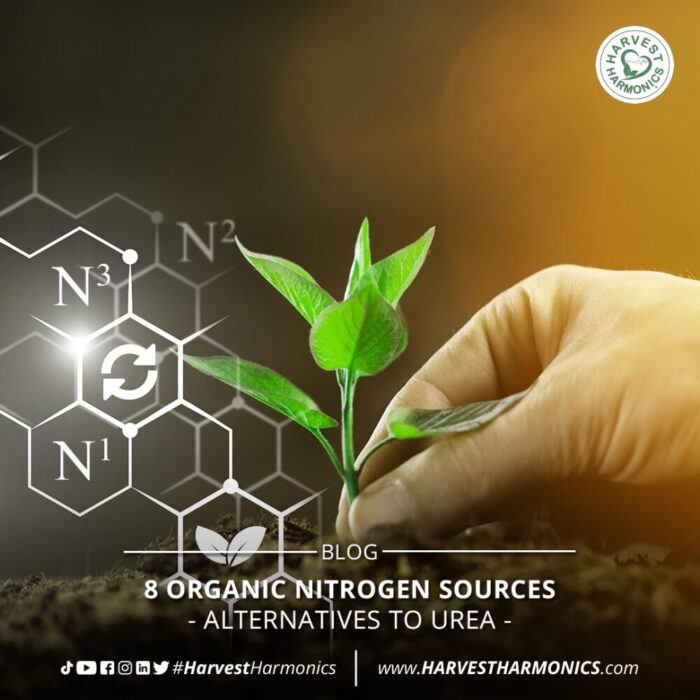
7 Organic Nitrogen Sources – Alternatives to Urea
The fertilizer crisis is a fact, especially nitrogenous fertilizers, particularly Urea, which is one of the most widely used chemical fertilizers worldwide. This product provides 46% Nitrogen, which is why it is widely used for most crops. However, with its imminent shortage and high prices, farmers are forced to look for alternatives, and the current trend is to look for organic sources of nitrogen, which we list below.
- Vegetable products. This group includes several products such as alfalfa flour (4% N), cottonseed flour (6% N), corn gluten (9% N) and soy flour (7% N), are examples of products vegetables that are sometimes used as organic sources of nitrogen in organic agriculture. These materials require bacterial mineralization to make nitrogen available, which is generally rapid.
- Blood meal. Derived from cattle slaughter residues. Powdered dried blood contains 12% nitrogen, rapidly mineralizing to forms readily available to the plant. This product is completely soluble in water and suitable for distribution through the irrigation system. It projects to be one of the main organic sources of nitrogen.
- Guano. Guano (8 to 12% N) is obtained from deposits of excrement and remains of seabirds on extremely arid coasts. Guano was an important source of nitrogen until before the industrial processes for the manufacture of fertilizers were developed. Currently many deposits have been depleted. Guano is also collected from caves where large populations of bats are found. This material can be applied in either solid or liquid form.
- Feather meal. This input contains 14 to 16% nitrogen. Feathers contain about 70-90% protein and much of the feathers are in the form of non-soluble keratin, requiring processing with pressurized steam and animal enzymes. Therefore, feather nitrogen is initially unavailable, but is rapidly mineralized under favorable conditions. Feather meal pellets make it easy to apply and handle. Feathers that are not processed have a slower nitrogen release and may be a good option if you can overcome the difficulty of applying evenly.
- Fish meal and fish emulsions. Inedible fish are used, which are cooked and pressed to separate the solid fraction from the liquid. The solid fraction is used as fishmeal (10 to 14% N) for fertilizers or cattle feed. From the liquid fraction the oil is separated and from what remains a fish emulsion is made, which contains 2 to 5% nitrogen. Its mineralization is usually rapid, since at normal summer temperatures more than half of the organic nitrogen is mineralized within the first 2 weeks after its application.
- Seaweed. They are products derived from marine algae such as those of the Ascophyllum genus . Dried seaweed is about 1% nitrogen and 2% potassium. In addition, they usually have small amounts of other useful nutrients for plants. Due to their low nutrient content, these products are generally used on high-value crops for reasons other than nutrition.
- Sodium nitrate. This fertilizer can be used in organic agriculture, with the restriction of only using it during the most critical stages of nitrogen demand in crops and not to satisfy the total demand. In the US its use is limited to no more than 20% of the crop’s nitrogen requirement and even other countries restrict its use. This highly soluble fertilizer contains 16% nitrogen.
If you would like to know more about our technology, contact us on our website www.harvestharmonics.com
Press Room
Agricultural Technology for Farmers in India
Harvest HarmonicsTM New Biophysics Agricultural Technology For Farmers In India The Agricultural Biophysics technology, 20…
1
Organic Earth Tech, OETI, Launches One Million Dollar Technology
After hurricanes Maria and Irma, Puertorrican farmers are yet to receive the needed aid to recover. Organic Earth Tech…
0
Produce More From Less
CEO Harvest Harmonics Frank Arlia speaking at Replenish. Earth interview by Tia Kansara – London Climate Action Week. How…
0
Replenish Earth and the Environmental RE Talk Series
Replenish Earth and the environmental RE Talk Series event that reunited the top thinkers in the world Harvest Harmonics…
1
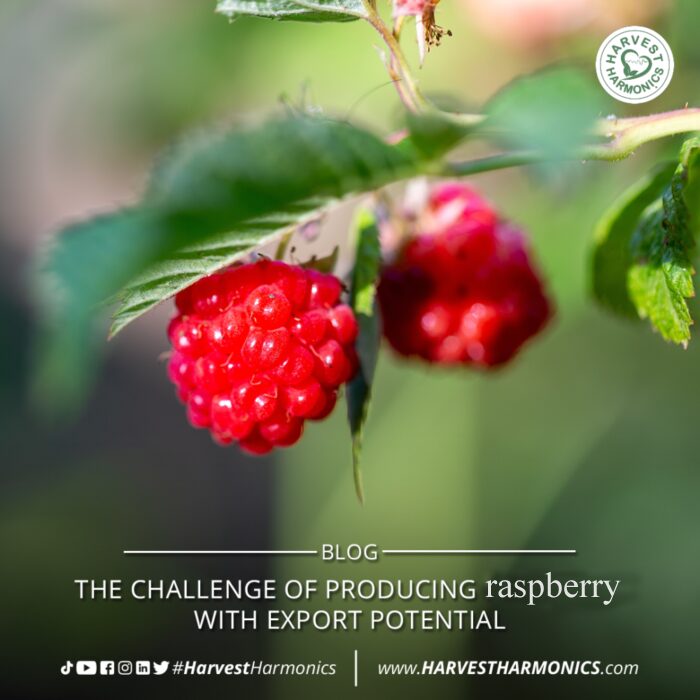
The Challenge of Producing Raspberries with Export Potential
Berry exports are still meager and their crops barely reach 100 hectares throughout the country. However, there is a great opportunity for growth in the US market.
It is just the first steps. To date, Peruvian raspberries have only been exported in small samples to different countries, for amounts not exceeding US$5,000. However, this situation could change if the product enters the United States, the main partner of Peru’s agro-export sector. According to the Foreign Trade Society of Peru (Comex Peru), work is currently being done on the subject, with the aim of encouraging growth in the production of the fruit.
According to the international adviser on berry cultivation , José Cordero, the Peruvian raspberry could follow a route similar to that of blueberries, the flagship product of the country’s agro-export basket. “In addition, the entry of the Peruvian raspberry into the United States would cause the interest in investing in this crop by Peruvian agro-industrialists to increase exponentially,” he says.
If they were to enter that market, Peruvian agro-exporters would have Mexico as their main competitor, which accounts for 99% of US raspberry purchases. In 2019, the US imported raspberries from Mexico for a total of US$1.36 billion, an increase of 20% compared to the previous year. “This increase has been constant since 2017 and it is estimated that it would continue in this line, an aspect that would be very beneficial for Peruvian raspberries and, in general, for the national agro-export basket,” highlights the advisor.
It should be noted that the main destinations for Peruvian raspberries in 2019 were Europe (70% of the total volume exported), Panama (19%) and Canada (11%). Regarding its prices, Spain registered the highest with US$ 6.89 per kilo. The UK ($5.43) and the Netherlands ($4.33) followed.
PRODUCTION IN NORTE CHICO AND SIERRA CENTRAL
In that sense, how is the outlook for raspberry production heading? The expert points out that in these last three years they continue to encourage the development of raspberry planting in high Andean areas and in the small north of Peru. The process is slow because there is not much
support from some companies or state programs. “But in this last year, in Huaraz (central highlands) and the northern region we have already planted raspberries as a test of adaptability, production and profitability with the search for markets,” he stresses.
Cordero refers that to expand the supply of this crop, the strategies that must be carried out are: to promote productive chains and support from the private sector in the search for markets, and to jointly increase national production to supply national and foreign markets in the future, especially from the US market.
Asked about the number of hectares that currently exist in the country, he comments that Huaraz has approximately 10 hectares divided into plots of 1 to 2 hectares, while the small north this year has approximately 15 to 20 hectares from Barranca to Cañete (region Lime). “And at the national level, the installed area is still very small, which does not exceed 80 to 100 hectares,” he indicates.
Likewise, it mentions that regarding the areas where the cultivation of this berry has been better adapted , they have a record of programs from Cajamarca, Huaraz and other departments with crops no larger than 4 hectares (in high Andean areas it is recommended to use macro tunnel) and in the north small the adaptation of the fruit tree is going very well.
TARGETING VARIETIES FOR A SUITABLE LOCATION
Regarding the varieties that are currently produced, Cordero says that most of the trials installed are of the Heritage variety , a variety that is already grown in several areas, giving good results as a project. “Now we are looking for improvement alternatives with new varieties with higher production that are between 15 and 20 tons / ha,” he says.
In this regard, he states that Viveros California (Spain) and EMCO CAL (USA) are currently also offering raspberries, blackberries and blueberries, which are increasingly sought after by consumers around the world due to their characteristics and health benefits. “Within the species of blackberries and raspberries, they have varieties that can be grown in areas such as the coast of Peru, where the accumulation of cold hours is low, with a very suitable location for these varieties,” he underlines.
Regarding the advantages that can be highlighted in the agronomic management of this fruit tree, he indicates that, although it is a crop resistant to pests, they have the phytosanitary challenge of bringing new varieties resistant to root fungi. “And continue to control with permitted products.” Likewise, he asserts that the raspberry is not so complicated to manage, therefore, it is possible to learn about the process that the crop has, both in the sanitary part and in the production and commercialization part.
If you would like to know more about our technology, contact us on our website www.harvestharmonics.com
Source: REDAGRICOLA
Press Room
Agricultural Technology for Farmers in India
Harvest HarmonicsTM New Biophysics Agricultural Technology For Farmers In India The Agricultural Biophysics technology, 20…
1
Organic Earth Tech, OETI, Launches One Million Dollar Technology
After hurricanes Maria and Irma, Puertorrican farmers are yet to receive the needed aid to recover. Organic Earth Tech…
0
Produce More From Less
CEO Harvest Harmonics Frank Arlia speaking at Replenish. Earth interview by Tia Kansara – London Climate Action Week. How…
0
Replenish Earth and the Environmental RE Talk Series
Replenish Earth and the environmental RE Talk Series event that reunited the top thinkers in the world Harvest Harmonics…
1
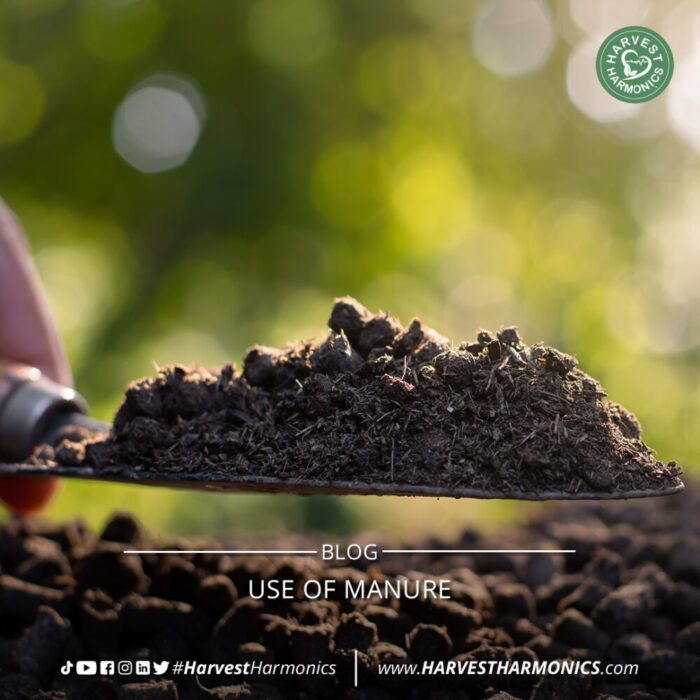
Use Of Manure
One of the main objectives of an adequate use of manure is to provide nutrients to plants and increase the amount of organic matter in the soil. But to achieve this, the rancher or farmer must decide what to do to properly manage manure and other organic waste, so that they have a profitable agricultural production with minimal nutrient losses. This action can save them expenses used for the purchase of commercial chemical fertilizers
It is fully identified that organic matter is of great importance for the proper development of plants. Under certain managements, agricultural soils tend to gradually lose their organic matter, which is manifested in increasingly lower crop yields. When organic matter is added to these soils in appropriate materials, the response in yields is extraordinary; up to 8- to 10-fold higher yields are observed. Organic matter, particularly when it comes from manure, contains significant amounts of all the chemical elements used by plants.
Consequently, the use of manure in agriculture supports the increase in yields for the following reasons:
1. They provide all the essential elements that crops require
2. They have a residual effect greater than that of chemical fertilizers
3. Gradually release nutrients that favor their availability for the development of crops
4. They improve the structure of the soil, porosity, aeration and the capacity for water retention
5. They form organic complexes with nutrients, keeping them available to plants.
6. Increase the cation exchange capacity of the soil
7. They release carbon dioxide during their decomposition which forms carbonic acid which solubilizes nutrients from other sources.
8. They supply organic carbon that is used as an energy source for heterotrophic organisms present in the soil.
9. Increases water infiltration
10. They favor greater resistance to soil aggregates
11. The effect of the use of manure allows the soil to be more productive, conserves its fertility and has a sustained use over time.
Although manure has been used for centuries to fertilize crops, its use today is still empirical. The dosage is made based on the experience of the farmers and the simple tests when observing a favorable response of the crops; but it is necessary to have knowledge of its nutritional content, its rate of decomposition, the nutrient requirements of the crop and its residual effects.
Manures decompose according to a rate of mineralization. A decomposition ratio of 0.35, 0.15, 0.10 and 0.05 indicates that the manure in the first year decomposes 35%, the residual of the first year decomposes by 15% in the second year, the residual of year two decomposes 10% in year three and the third year residual breaks down 5% in year four. And in the same relationship Nitrogen, Phosphorus, Potassium and other nutrients are released.
If you would like to know more about our technology, contact us on our website www.harvestharmonics.com
Press Room
Agricultural Technology for Farmers in India
Harvest HarmonicsTM New Biophysics Agricultural Technology For Farmers In India The Agricultural Biophysics technology, 20…
1
Organic Earth Tech, OETI, Launches One Million Dollar Technology
After hurricanes Maria and Irma, Puertorrican farmers are yet to receive the needed aid to recover. Organic Earth Tech…
0
Produce More From Less
CEO Harvest Harmonics Frank Arlia speaking at Replenish. Earth interview by Tia Kansara – London Climate Action Week. How…
0
Replenish Earth and the Environmental RE Talk Series
Replenish Earth and the environmental RE Talk Series event that reunited the top thinkers in the world Harvest Harmonics…
1
Biodegradable Material For Encapsulation Of Agricultural Fertilizers
It is a strategy tested at the Brazilian Federal University of São Carlos to allow a controlled and gradual release with the consequent reduction in the amount used and waste.
One of today’s serious environmental problems is the residue of fertilizers, pesticides and growth regulators that agriculture leaves in the soil, mainly in large production units. Therefore, in the specific case of fertilizers, one way to reduce the amount of material used, promote its efficiency and reduce the environmental impact as much as possible consists of encapsulating the nutrients with biodegradable coatings that ensure their controlled and gradual release in the water and on the ground.
Faced with this problem, researchers from the Federal University of São Carlos (UFSCar) on the campus of the town of Araras, in the state of São Paulo, Brazil, are carrying out a line of research oriented towards the development of materials for the encapsulation of fertilizers since 2014. This is highlighted in an article published by the Mundo Agropecuario portal.
“Fertilizers are made up of highly soluble salts, easily transported by rain. The encapsulation allows its release in a controlled and gradual manner, with the consequent reduction in the amount used and waste”, says study coordinator Roselena Faez.
According to the researcher and as highlighted by Mundo Agropecuario, the solution to the issue of encapsulation constitutes an essential step towards obtaining the so-called “improved efficiency fertilizers”. This involves the adjustment of various parameters: the release of nutrients and their absorption in the crop, the biodegradability of the lining material and the cost-benefit ratio of the product. “To arrive at the appropriate coating material, we started with chitosan, a bio-based polymer that is abundant, renewable and readily available,” she says.
It is worth noting that chitosan is made from chitin, a polysaccharide present in the exoskeletons of crustaceans – such as shrimp, lobsters and crabs – and in the coatings of insects and fungal mycelia. Therefore, based on chitosan, Faez and his collaborators prepared microspheres and microcapsules to coat fertilizers.
“In a previous work, carried out in collaboration with Professor Claudinei Fonseca Souza (UFSCar-Araras), we had already used a technique for monitoring the release of fertilizer nutrients into the soil, without the need for harvesting. This is achieved by measuring the electrical conductivity of the soil and correlating this parameter with the release of nutrients”, he comments. If you would like to know more about our technology, contact us on our website www.harvestharmonics.com
Source: RedAgricol
Press Room
Agricultural Technology for Farmers in India
Harvest HarmonicsTM New Biophysics Agricultural Technology For Farmers In India The Agricultural Biophysics technology, 20…
1
Organic Earth Tech, OETI, Launches One Million Dollar Technology
After hurricanes Maria and Irma, Puertorrican farmers are yet to receive the needed aid to recover. Organic Earth Tech…
0
Produce More From Less
CEO Harvest Harmonics Frank Arlia speaking at Replenish. Earth interview by Tia Kansara – London Climate Action Week. How…
0
Replenish Earth and the Environmental RE Talk Series
Replenish Earth and the environmental RE Talk Series event that reunited the top thinkers in the world Harvest Harmonics…
1
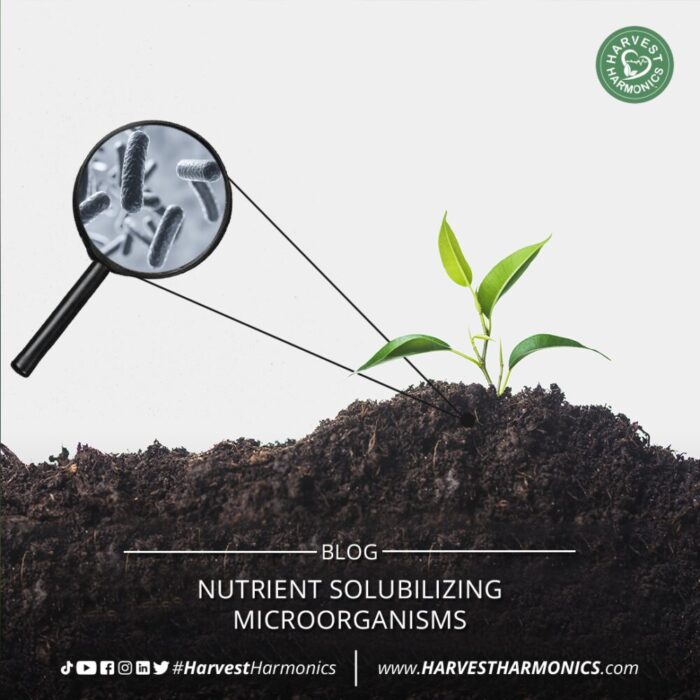
Nutrient Solubilizing Microorganisms
The microorganisms of the rhizosphere have maintained a close relationship with plants since the latter began to colonize the earth and have contributed to the maintenance, functioning and stability of ecosystems through their influence on the diversity of species in plant communities. This relationship has favored a mechanism of symbiotic association for the acquisition of nutrients and water by the plant and carbon by the microsymbiont.
However, agricultural activities have altered natural communities to achieve greater productivity per unit area and, as a consequence of this anthropocentric activity, the degradation of agricultural systems has accelerated, as in the case of the genetic diversity of Rhizobium, which by Due to some agricultural practices or chemical fertilization based on NPK, a decrease in genetic diversity has been observed in the nodule population of some Phaseolus vulgaris cultivars.
The need to reduce the use of chemical fertilizers and synthetic phytosanitary products has given way to the practice of inoculation and the use of so-called biofertilizers, which are formulated from microorganisms that inhabit the soil and are involved in the plant nutrition and growth. At present, the study and application of biofertilizers from phosphate-solubilizing microorganisms, as well as plant growth-promoting bacteria and nitrogen-fixing bacteria, have been widely extended.
Some phosphate solubilizing microorganisms can show other plant growth promoting activities such as production of indole acetic acid (IAA), gibberellic acid, cytokinins, ethylene, hydrocyanic acid (HCN), asymbiotic nitrogen fixation and resistance to soil pathogens; these characteristics are necessary for a microorganism to be considered a potential and efficient bioinput.
Nitrogen-fixing microorganisms, phosphorus and potassium solubilizers are widely distributed in a great diversity of soils and agricultural crops, only some show greater activity than others and only some species can be used in the formulation of biofertilizers with agricultural application. The inoculation of consortia of microorganisms can increase the microbiological diversity of the soil, especially in impoverished or depleted soils, allowing the use of their mineral stock and improving the conditions for crop development. If you would like to know more about our technology, contact us on our website www.harvestharmonics.com
Source:
Velazquez G. A, Ramos A. M. P. (2015). Benefits of P and K solubilizing microorganisms in the recovery and maintenance of agricultural soils. avocadosource.com
Beltran P.M.E. (2014). Phosphate solubilization as a microbial strategy to promote plant growth. Corpoica Agricultural Science and Technology. scielo.org
Press Room
Agricultural Technology for Farmers in India
Harvest HarmonicsTM New Biophysics Agricultural Technology For Farmers In India The Agricultural Biophysics technology, 20…
1
Organic Earth Tech, OETI, Launches One Million Dollar Technology
After hurricanes Maria and Irma, Puertorrican farmers are yet to receive the needed aid to recover. Organic Earth Tech…
0
Produce More From Less
CEO Harvest Harmonics Frank Arlia speaking at Replenish. Earth interview by Tia Kansara – London Climate Action Week. How…
0
Replenish Earth and the Environmental RE Talk Series
Replenish Earth and the environmental RE Talk Series event that reunited the top thinkers in the world Harvest Harmonics…
1