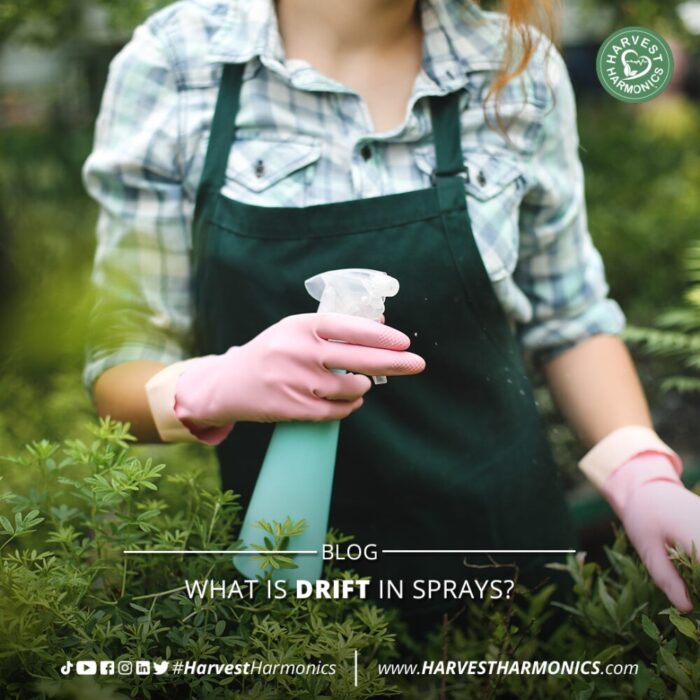
What is Spray Drift?
What is Drift?
Spray drift is a term used throughout the industry to describe the physical movement of pesticide droplets or particles through the air away from the planned target area. The droplets most likely to drift are those less than 150 microns in diameter.
The most determining factor is the wind speed
The greater the distance between the spray tip of the nozzle and the target area, the greater the impact of wind speed on droplet movement.
An increase in operating speeds can cause the wind to return in the form of vortex-type overhead currents behind the sprayer, trapping small droplets and thus contributing to drift.
When temperatures are above 25ºC and relative humidity is low, small droplets are more likely to drift, due to the effects of evaporation.
Low dosages generally require the use of small nozzles, which increases the risk of loss.
The smaller the nozzle size and the higher the spray pressure, the smaller the droplet size and the greater the proportion of droplets likely to drift.
Useful tips to control drift
Reduce the working pressure to increase the size of the drops. Due to the decrease in flow rate, it may be necessary to use larger nozzles to stay within the dosage indicated on the product label.
Use nozzles that produce larger droplets, such as low drift nozzles or higher capacity nozzles.
Decrease boom height to reduce losses, while maintaining adequate overlap to ensure desired spray coverage.
Causes of spray drift
A number of variables contribute to spray droplet losses; these are mainly due to the spray equipment system and weather factors.
Drop size
Within the spray equipment system, droplet size is the most influential factor. When a liquid solution is sprayed under pressure, it atomizes into droplets of various sizes: The smaller the nozzle size and the higher the spray pressure, the smaller the droplets and thus the greater the proportion of droplets with a tendency to drift.
Spray height
As the distance between the nozzle and the target increases, the greater the impact that wind speed can have. The influence of the wind can increase the proportion of smaller droplets deflected from the target and considered as lost.
Working speed
Increased operating speeds can cause spray to drift into updrafts and vortices behind the sprayer, which traps fine droplets and can contribute to drift. Ideally, apply chemicals according to good professional practice at maximum working speeds of 6 to 8 km/h (with air induction nozzles – up to 10 km/h). As wind speeds increase, reduce working speed.
Wind speed
Among the meteorological factors that affect drift, the one with the greatest impact is wind speed. Increasing wind speed increases drift. Therefore, it is important to carry out spraying operations during relatively calm hours of the day. Generally, early morning and late afternoon are the quietest hours.
Some recommendations when spraying
In low wind speed situations, spraying can be done at recommended nozzle pressures.
As wind speeds increase to 3 m/s, spray pressure will need to be reduced and nozzle size increased to obtain larger droplets that are less prone to drift. Wind measurements should be taken during the spraying operation using an anemometer or wind gauge. As the risk of drift increases, it is very important to choose spray tips with coarser droplets that are less prone to drift.
When wind speeds exceed 5 m/s, spraying should be stopped.
Environmental temperature and humidity
At ambient temperatures above 25°C with low relative humidity, small droplets are especially prone to drift due to the effects of evaporation.
If you would like to know more about our technology, contact us on our website www.harvestharmonics.com
Source: https://www.unicoop.com.py/
Press Room
Agricultural Technology for Farmers in India
Harvest HarmonicsTM New Biophysics Agricultural Technology For Farmers In India The Agricultural Biophysics technology, 20…
1

Organic Earth Tech, OETI, Launches One Million Dollar Technology
After hurricanes Maria and Irma, Puertorrican farmers are yet to receive the needed aid to recover. Organic Earth Tech…
0

Produce More From Less
CEO Harvest Harmonics Frank Arlia speaking at Replenish. Earth interview by Tia Kansara – London Climate Action Week. How…
0
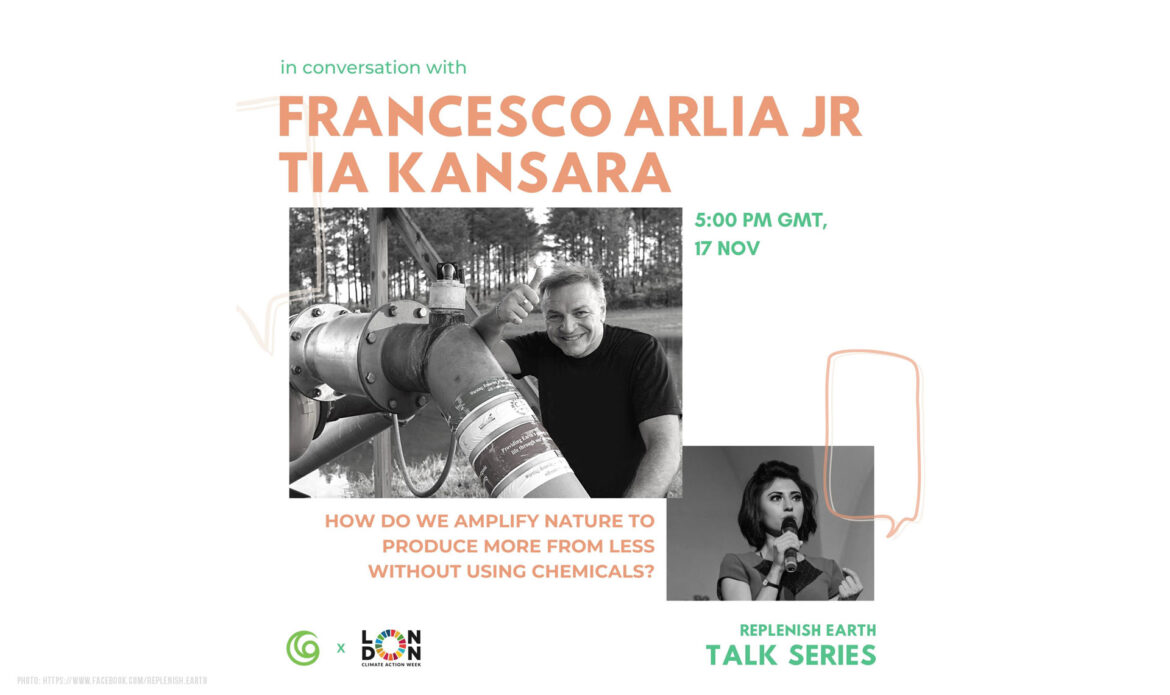
Replenish Earth and the Environmental RE Talk Series
Replenish Earth and the environmental RE Talk Series event that reunited the top thinkers in the world Harvest Harmonics…
1
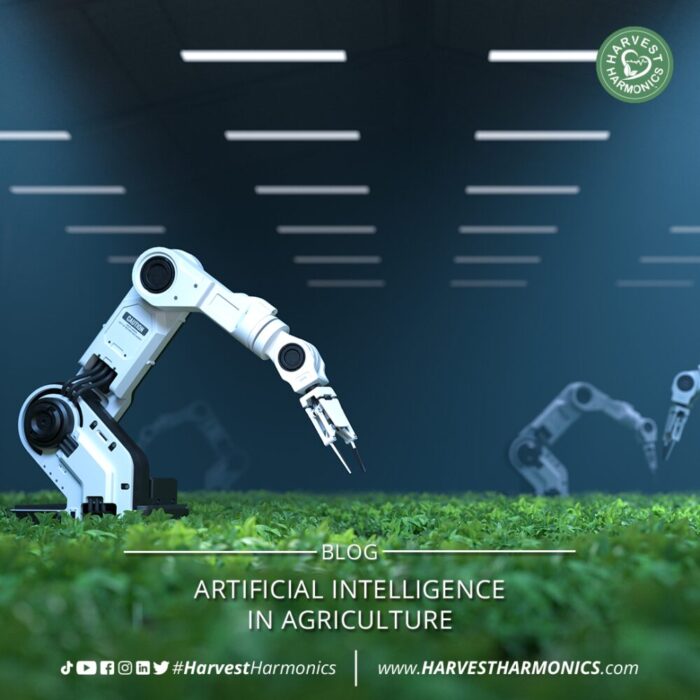
Artificial Intelligence in Agriculture
The technological revolution of recent years has also reached the agricultural sector to stay. More and more new ways of capturing information are being developed that, agronomically, can be of great interest to know the state of our farms and our crops. Artificial intelligence in agriculture allows knowing more data and adjusting all the tools more.
The sum of these two things means that we can adjust much more the amounts of phytosanitary products, fertilizers, the optimal point of harvest, pest control or water requirements.
In this article, we are going to learn a little more about artificial intelligence in agriculture, its main advantages and disadvantages, and some of the agricultural technological innovations that are coming onto the market.
What is artificial intelligence in agriculture?
Artificial intelligence (AI) applied in agriculture are all those capacities that a machine, sensor, monitor or computer is capable of performing with great precision, collecting a series of data that allow us to adjust and optimize any type of task and crop to the maximum.
There are many ways in agriculture where artificial intelligence is applied to obtain data and be able to analyze the different situations that arise with greater decision-making power. Let’s look at some examples:
Agricultural applications
Artificial intelligence has led to the development of several applications (apps) on agriculture. There are many examples related to apps on topics of agronomic interest.
Some allow us to manage farms from start to finish. Others are cartographic-type tools that allow us to measure the surfaces of the parcels and obtain geographic information about the area. There are also apps related to meteorology and also applications that allow you to manage an entire irrigation system using a mobile phone. All these applications simplify many tasks and time for farmers.
Sensors applied in agriculture
One of the tools that have been developed the most in recent years at the level of agro artificial intelligence are sensors. Sensors are used in all kinds of tools, cars, machines, etc. If we look at the use of sensors in agriculture, we can see advances in this aspect to improve the driving of tractors, tools and tanks to make applications. They are also used at a climatological level, with weather stations located at key points on farms and soil sensors that indicate both humidity and other key factors in soil fertility.
Aerial and satellite images
Apart from time management, organization and some technical parameters, artificial intelligence in agriculture applied in the field of aerial and satellite photos allows knowing the state of a crop, the amount of weeds or creating layers with the areas drier and more humid to adjust to the maximum the dose of irrigation necessary for the crop and within the same plot.
This artificial intelligence is used by taking aerial images using drones, such as the use of satellite photos.
Advantages and disadvantages of artificial intelligence applied to the agricultural industry
We have seen what artificial intelligence is and we have cited some practical examples of the number of things that can be done by applying AI in agriculture. Let us now see its main advantages and disadvantages:
Advantages
· Data: obtaining data allows greater decision-making power in a specific situation. Agriculture depends on many different factors, the more information we have, the greater control and power of decision and forecast we will have.
· Environmental and economic sustainability: the use of agro artificial intelligence allows us to adjust the doses of sowing, irrigation and phytosanitary products and fertilizers, which allows us to save a lot on phytosanitary products. This has a positive economic impact on our farm and the environment.
· Food safety: the control of all the processes, both in the field and post-harvest, allows exhaustive control of the traceability of the crops and their food safety.
Disadvantages
· Economic cost: although this is not always the case, applying artificial intelligence can sometimes be more expensive than the economic benefit it can bring you. Technology has advanced a great deal in recent years, but there is still technology that cannot be applied since its cost is greater than the benefit that ends up affecting the accounts of agricultural companies.
· Technology maintenance: maintenance is required on a regular basis in any type of sector. In the case of agriculture, technology is often exposed to different weather or adverse situations and inclement weather, so it requires greater attention and maintenance.
· Training: the use of artificial intelligence requires basic knowledge of technology.
If you would like to know more about our technology, contact us on our website www.harvestharmonics.com
Source: Agroptima
Press Room
Agricultural Technology for Farmers in India
Harvest HarmonicsTM New Biophysics Agricultural Technology For Farmers In India The Agricultural Biophysics technology, 20…
1
Organic Earth Tech, OETI, Launches One Million Dollar Technology
After hurricanes Maria and Irma, Puertorrican farmers are yet to receive the needed aid to recover. Organic Earth Tech…
0
Produce More From Less
CEO Harvest Harmonics Frank Arlia speaking at Replenish. Earth interview by Tia Kansara – London Climate Action Week. How…
0
Replenish Earth and the Environmental RE Talk Series
Replenish Earth and the environmental RE Talk Series event that reunited the top thinkers in the world Harvest Harmonics…
1
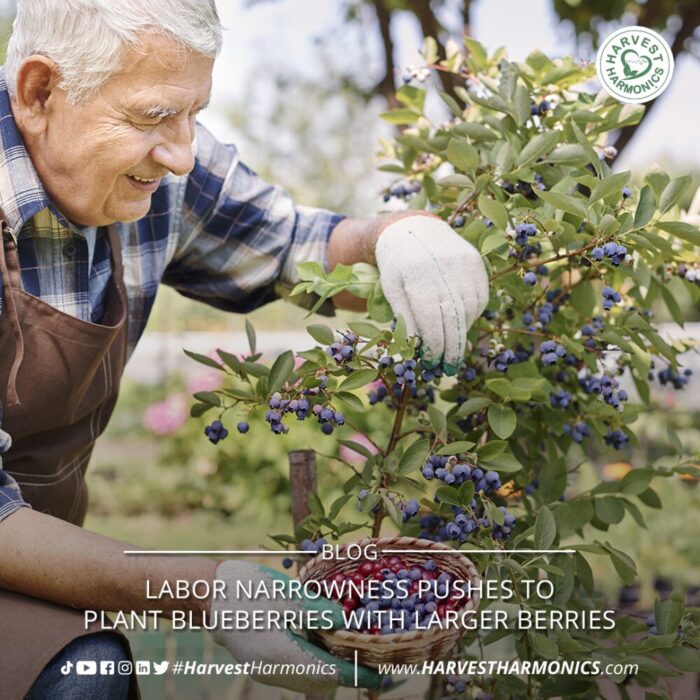
Labor Narrowness Pushes to Plant Blueberries with Larger Berries
The shortage of labor in the peak weeks of production is added as a factor to consumer requirements and has led companies such as Agrícola Cerro Prieto and Agrovision to incorporate the POP and Beauty varieties into their offer.
The Peruvian blueberry business continues to search for the best formula when choosing which varieties to include in its portfolio. And it is that, at the end of 2021, 60 varieties were counted, while in 2016 only 13 were registered, according to information from the Association of Blueberry Producers of Peru (Proarándanos). There are three criteria that guide the choice of producers, and that are becoming more and more relevant: the size of the berry, that the fruit has a less acid taste and that the berry has a good ‘crunch’, that is, firmness. This is related to the need to ensure the number of workers required in the campaign, especially at production peaks, and to meet consumer requirements regarding attributes such as flavor.
“It is becoming a challenge every time to get the volumes of people that are required, in some cases. People are paid per kilo harvested, if I have to harvest 1 kilo (kg) and my berries weigh 1 gram (g) it is 1,000 berries that I have to harvest, unlike if I have a fruit with double or triple of weight. It is more pleasant for the harvester and it yields more”, considers advisor Bruno Mancilla, from Consultora Santa María, a firm led by also advisor Sebastián Ochoa.
The agricultural export company Agrícola Cerro Prieto confirms that between weeks 37 and 40 there is a shortage of labor in Lambayeque. “In those weeks is where the majority of farms in this area are at peak production. People want to get to their goal quickly and have an extra. They no longer want to go to farms with a lot of Biloxi,” says their agricultural manager, Alfredo Chan Way. For example, if a worker can take out about 25,000 kilos/person in eight hours, with a larger-sized fruit he can take out around 80,000 kilos/person.
Agrícola Cerro Prieto has some 1,120 hectares of blueberries in Chiclayo. In addition, this year they will have significant production volumes of POP and Beauty. Currently, the main varieties of the firm are Biloxi, Ventura and Rocio.
In this context, the POP and Beauty varieties were born, both of which are part of Fall Creek’s Sekoya program. At least three companies have incorporated these varieties into their portfolio: Agrícola Cerro Prieto, Agrovision and Agroberries. «Today I have planted two important varieties: POP and Beauty. In other words, by 2022 I will have five varieties in major productions,” confirms Chan. The varieties stand out for their larger berries, their flavor and for having a good ‘crunch’. Firmness helps them to be travelers and arrive in optimal conditions to destinations such as China. Advisor Mancilla says that the ideal is to have blueberries about 16 to 18 millimeters. “You are looking for a large fruit, but not excessively large. A larger volume fruit always tends to soften faster”, he complements.
According to the advisor, it is not only important to obtain large berries, but also to have consistency. “The other important thing is that their caliber is sustained throughout the campaign, that they don’t fall. It happens to us many times, Ventura is starting with an average of 3g and at the end of the campaign he drops to 2.5g. Years ago Biloxi ended up with an average of 2 grams or 1.8 grams. This has led to the desire to search for better varieties,” explains Mancilla.
Both varieties stand out for their more pleasant flavor. According to the consultant Mancilla, the Peruvian industry is looking for a better flavor, since the berry tends to be acidic. “Perhaps many times in Peru one does not realize it, but the fruit from Mexico, the north of the US and Chile is sweeter. In the Peruvian case, there is no temperature differential day and night, which is decisive at the time of fruit ripening. On the coast of Peru, we have a temperature differential of 5° C, the fruit goes from being very acidic to being a flat fruit, which loses its flavor. Trying to raise brix degrees, the fruit is left on the plant for a longer time. That causes him to be physiologically overripe. For this reason, the blueberry harvest index is the color, not the brix,” explains Mancilla.
An Incipient Path
Currently, in Peru the predominant varieties are Biloxi and Ventura. In 2021, 3,291 ha of Biloxi, 2,748 ha of Ventura and 643 ha of Rocio were registered in La Libertad, the main blueberry producing area. But, the hectare of POP and Beauty was maintained, reaching 43.2 ha and 11.34 ha, respectively, last year. In the case of Lambayeque, last year some 1,447 ha of Ventura, 397 ha of Rocio, 350 ha of POP, 324 ha of Beauty and 231 ha of Biloxi were counted in order of importance, according to Proarándanos. The year-on-year increase in the area dedicated to these varieties
in the area is notable. Last year the producing areas of Ica and Ancash had, for the first time, the presence of both varieties.
Variation of the hectare of blueberries in Beauty
2020 2021
La Libertad 11,14 11,34
Lambayeque 34,29 324,29
Ica – 5,3
Ancash – 24,92
Source: Proarándanos
A unique flavor that is pleasant to the palate, together with the search for larger berries and traveling fruits, will continue to make a difference when choosing the best genetic material. The club of blueberry growers that has POP and Beauty is even smaller, but it is anticipated that more farmers will obtain the respective licenses over time. “I think these varieties will continue to grow. They are just entering Peru”, anticipates Mancilla. If you would like to know more about our technology, contact us on our website www.harvestharmonics.com
Source: Red Agrícola – Miriam Romainville Izaguir
Press Room
Agricultural Technology for Farmers in India
Harvest HarmonicsTM New Biophysics Agricultural Technology For Farmers In India The Agricultural Biophysics technology, 20…
1
Organic Earth Tech, OETI, Launches One Million Dollar Technology
After hurricanes Maria and Irma, Puertorrican farmers are yet to receive the needed aid to recover. Organic Earth Tech…
0
Produce More From Less
CEO Harvest Harmonics Frank Arlia speaking at Replenish. Earth interview by Tia Kansara – London Climate Action Week. How…
0
Replenish Earth and the Environmental RE Talk Series
Replenish Earth and the environmental RE Talk Series event that reunited the top thinkers in the world Harvest Harmonics…
1
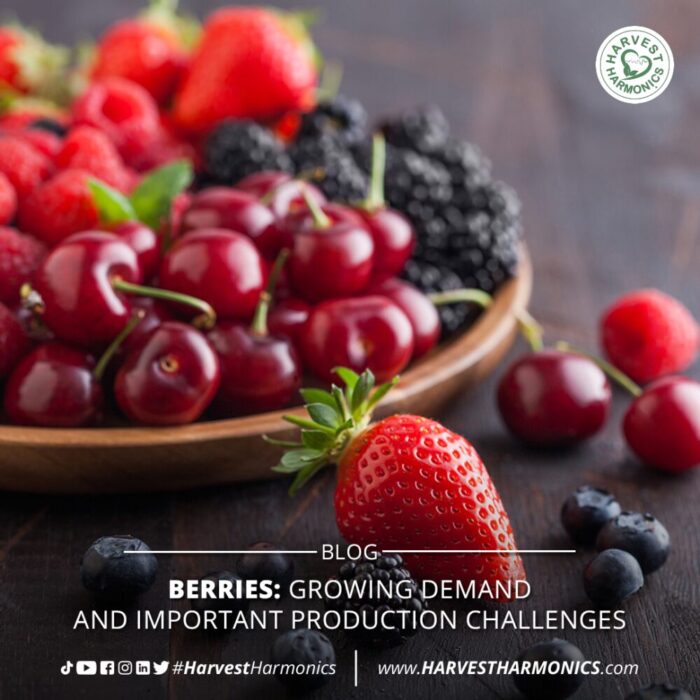
Berries: Growing Demand and Important Production Challenges
The growing interest in berries in the U.S.A. and Europe has prompted the global agricultural industry to implement innovative technology and developments. The growing berry demand has increased commercialization and competition among berry producers. These farmers already face tough and important challenges, including higher costs, reduced labor availability, water use restrictions, increased pest outbreaks of Spotted Wing Drosophila (SWD), crop damage from pests, and more. Another challenge for berry producers is retaining consumer demand and remaining a stable supplier. Some of these challenges are mentioned in the report, “Five Berry Important Topics” which was written by Cindy Van-Rijswick, a Senior Specialist in Fresh Produce at Rabobank. The document was published by the Food and Agroindustry Research (FAR) department of Rabobank. However, the answers to these problems for berry producers are not simple. This blog will focus on five major problems for berry producers that were proposed in the latest version of the Global Berry Congress (GBC).
Increasing Demand
There has been an increase in the growth of the worldwide berry market and consumer demand. Farmers are expecting an especially significant increase in the global demand for the blueberry market. Berry farmers will need to increase the overall acreage devoted to berry crops or more farms must become berry producers to meet this new demand. However, these increases in berry demand vary based on location and per capita consumption levels of that country. This occurs even in regions that are considered mature markets, such as the European Union (E.U.). In the case of Asia, berry consumption is just beginning. However, there are five factors that will drive greater consumption of berries including greater availability, better quality, improved berry consistency, increased health awareness, and continued preference for convenience and affordability.
Higher Volume, Lower Prices
In recent years, an analyst named Cindy Van-Rijswick explained that both the E.U. and the U.S.A. are receiving a larger volume of blueberries. The increased quantity of berries being imported has affected the stability of berry prices. In Europe, berry prices stabilize between September and March. In the United States, berry prices stabilize between June-August and between October-March. Morocco, Mexico, and Peru are three more berry-producing countries that are also having a significant impact on the supply and pricing of blueberries.
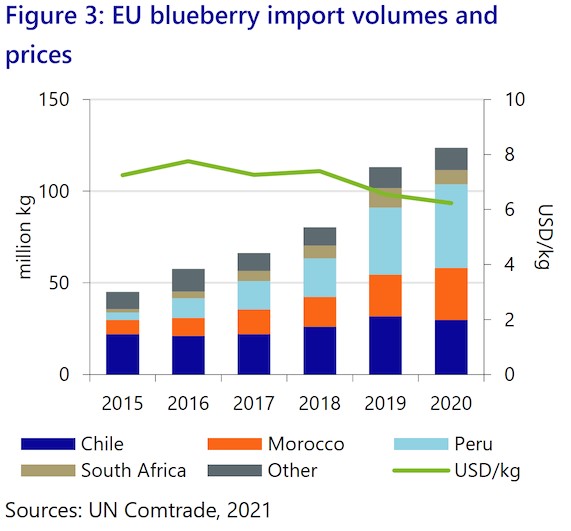
In the coming years, Van-Rijswick foresees a growth in the global supply of blueberries and a decline in prices. This analyst indicated in her report that this is because “investments in blueberry plantations have not yet ended and recent plantations have not reached their full production capacity” (Van-Rijswick, 2022). In this scenario, Van-Rijswick identifies three advantages. Lower berry prices will promote the consumer consumption of berries. More availability of berries will translate into greater consumer access, larger berry containers, and lower prices. For example, the U.S.A. and Germany accept the arrival of low-cost and large clamshells of blueberries from Chile during supply peaks. Another advantage is that the larger clamshells can help reduce the use of plastic.
Plastic Packaging and Replacement Possibilities
One of the most debated topics in the berry industry is the use of plastic clamshells or containers. This is a complex issue considering that Spain and France have banned the packaging of fresh produce in plastic containers (in consumer format). Cindy Van-Rijswick stated that although delicate products such as berries are excluded, it is not ruled out that other countries will implement more intensive anti-plastic standards.
However, Van-Rijswick pointed out that in the case of berries, it is not so easy to do without plastic or to replace this material. “Alternatives such as cardboard packaging still have several disadvantages compared to plastic packaging” (Van-Rijswick, 2022). The disadvantages of using alternative packaging materials for berries are related to convenience, shelf life, food safety, visibility, durability, and costs. However, Van-Rijswick pointed out that there are berry companies that are looking for options to recycle and reduce plastic. Some producers even send blueberries in bulk (for example, an individual box of 3 kilograms) that is then packed at the destination according to the customer’s specifications. Regardless of the change, this would likely lead to higher costs.
Challenges For Production
In addition to the challenges discussed earlier, there are several other variables that make berry production and distribution more expensive including energy, labor, and transportation costs, berry damage from pests, and the price of fertilizers, agrichemicals, and other farm inputs. However, Van-
Rijswick pointed out that in the case of labor, what worries her the most is the low availability of workers and the high price of labor. To deal with this problem, she explained that companies resort to different options. For example, some producers switch to more premium cultivars for better quality and higher yields. Other producers have increased the acreage of blueberry cultivars that can be harvested mechanically by marketing this fruit in the frozen industry. Some producers have even partnered with inventors of new berry harvesting robots.
In the case of strawberries in Europe, farmers “are moving more and more towards greenhouse-covered production systems to increase labor productivity” (Van-Rijswick, 2022). In North America, we also see this trend as there has been “an increase in investments in the production of strawberries in controlled environments such as greenhouses” (Van-Rijswick, 2022). The goals for this transition are diverse and include preventing crop damage, increasing labor productivity, and increasing local production. In strawberries, the analyst specifies that “locality is a trend, but it has a cost” (Van-Rijswick, 2022).
However, Cindy Van-Rijswick warned that “the various cost increases will result in lower margins for growers or higher retail prices for berries” (Van-Rijswick, 2022). Will rising prices affect consumption? The analyst pointed out that at the recent Global Berry Congress, there were very conflicting opinions. Some believe that rising prices would lower berry consumption and lead the consumer to opt for lower cost fruits such as apples, oranges, bananas, etc. Others believe that the taste and healthy attributes of berries will keep consumption rising, despite price increases.
Focus On Quality
The analyst mentioned that there is a consensus in the industry that the quality and consistency of the berries is the most important factor. For many berry producers that are faced with the challenges mentioned above, the solution is to maintain quality. However, the understanding of berry quality among consumers is low. A survey carried out by Normec Foodcare on the consumer perception of blueberry quality indicated that in the Netherlands, approximately 1 in 3 buyers are satisfied with the taste of their berries. In Germany, 1 in 5 buyers are satisfied with the taste of their berries. The analyst states that “even if inconsistent quality has not prevented consumers from eating more and more berries, there is still a world of opportunities for the berry market, as long as the quality and availability are adequate” (Van-Rijswick, 2022).
Solutions
As we discussed earlier, the growing interest in berries in the U.S.A. and Europe has prompted the global agricultural industry to implement innovative technology and developments. The most important new agricultural technology that can help all farmers, especially the berry industry, is the Kyminasi Plant Booster (KPB). The KPB technology can help farmers achieve increased yields, better crop quality, greater vigor, increased disease resistance, and more nutrient-dense food while improving the environment. KPB is an easy-to-install, ready-to-go, set of advanced custom micro transmitters that utilize greater than 3,000 low-frequency radio waves that are attached to an irrigation system. Kyminasi Plant Booster is activated when water first flows past it. KPB is custom-sized for each farm and designed to work with all crops planted in soil. No power system or maintenance is required. This KPB irrigation device uses an advanced signaling system to boost photosynthesis and crop yields in plants. KPB works on all sizes of farms and we now even offer a home garden version.
Over 20 years of biophysics research has led to this breakthrough in improving plant health and increasing crop yields. Biophysics is the science of using the laws of physics to enhance biological function. Our researchers have studied plants’ natural processes such as root growth, nutrient and water absorption, photosynthesis, and more. The result is the most advanced crop booster technology in agriculture! Our device attaches to a farmer’s irrigation system and uses frequencies in water to amplify plants’ natural processes. Even animals fed with forage or fodder that has been treated with KPB have increased nutrient density and produce more yields, better quality, and more nutrient-dense milk, meat, and eggs.
Harvest Harmonics’ goal is to help farmers around the world grow healthier and better quality crops at lower costs. We help farmers achieve higher yields without harming the environment by rejuvenating the earth’s ecology and organic life through advanced new technology.
Source: Rabobank report
Press Room
Agricultural Technology for Farmers in India
Harvest HarmonicsTM New Biophysics Agricultural Technology For Farmers In India The Agricultural Biophysics technology, 20…
1
Organic Earth Tech, OETI, Launches One Million Dollar Technology
After hurricanes Maria and Irma, Puertorrican farmers are yet to receive the needed aid to recover. Organic Earth Tech…
0
Produce More From Less
CEO Harvest Harmonics Frank Arlia speaking at Replenish. Earth interview by Tia Kansara – London Climate Action Week. How…
0
Replenish Earth and the Environmental RE Talk Series
Replenish Earth and the environmental RE Talk Series event that reunited the top thinkers in the world Harvest Harmonics…
1
Advantages of Adopting Good Agricultural Practices (GAP)
In our last blog, we discussed that Good Agricultural Practice (GAP) standards are, “voluntary audits that verify that fruits and vegetables are produced, packed, handled, and stored to minimize risks of microbial food safety hazards” (U.S.D.A Agricultural Marketing Service, 2022). In this blog, we will continue to discuss the advantages of adopting Good Agricultural Practices (GAP). Some examples of the benefits of GAP standards include improving the sanitary conditions of the produce and preventing or minimizing the rejection of the produce in the market due to spoilage, transport damage, toxic residues, or other unsuitable characteristics in food taste or appearance for the consumer. GAP standards minimize the sources of contamination of agricultural products and implement hygiene standards during the production and harvesting of the crop. GAP standards open up possibilities for farmers to export to new countries and high-demand markets with potentially better opportunities and prices. GAP certification improves the value of the produce with a food safety certification.
Good Agricultural Practice (GAP) standards promote worker well-being and safety. This is achieved through training, care for labor and health aspects (prevention of accidents, gastrointestinal illnesses, hygiene), and good conditions in the workplace. GAP standards promote healthy food and helps promote that the food produced is suitable for consumption and free of contaminants such as agrichemical residues, heavy metals, pathogens, etc. GAP standards promote community health empowerment and sustainability. With GAP standards, producers have more bargaining power and added value to their products. In the future, GAP certifications may become a requirement for farmers and producers to access certain markets.
There is clear importance of GAP standards in agriculture, world trade, in caring for the environment, and the well-being of workers. Harvest Harmonics Inc. shares these values and would like to introduce the Kyminasi Plant Booster (KPB) technology that can help farmers achieve increased yields, better crop quality, greater vigor, increased disease resistance, and more nutrient-dense food while improving the environment. KPB is an easy-to-install, ready-to-go, set of advanced
custom micro transmitters that utilize greater than 3,000 low-frequency radio waves that are attached to an irrigation system. Kyminasi Plant Booster is activated when water first flows past it. KPB is custom-sized for each farm and designed to work with all crops planted in soil. No power system or maintenance is required. This KPB irrigation device uses an advanced signaling system to boost photosynthesis and crop yields in plants. KPB works on all sizes of farms and we now even offer a home garden version.
Over 20 years of biophysics research has led to this breakthrough in improving plant health and increasing crop yields. Biophysics is the science of using the laws of physics to enhance biological function. Our researchers have studied plants’ natural processes such as root growth, nutrient and water absorption, photosynthesis, and more. The result is the most advanced crop booster technology in agriculture! Our device attaches to a farmer’s irrigation system and uses frequencies in water to amplify plants’ natural processes. Even animals fed with forage or fodder that has been treated with KPB have increased nutrient density and produce more yields, better quality, and more nutrient-dense milk, meat, and eggs.
Harvest Harmonics’ goal is to help farmers around the world grow healthier and better quality crops at lower costs. We help farmers achieve higher yields without harming the environment by rejuvenating the earth’s ecology and organic life through advanced new technology.
Sources:
(U.S.D.A Agricultural Marketing Service, 2022)
https://www.ams.usda.gov/services/auditing/gap-ghp
Press Room
Agricultural Technology for Farmers in India
Harvest HarmonicsTM New Biophysics Agricultural Technology For Farmers In India The Agricultural Biophysics technology, 20…
1
Organic Earth Tech, OETI, Launches One Million Dollar Technology
After hurricanes Maria and Irma, Puertorrican farmers are yet to receive the needed aid to recover. Organic Earth Tech…
0
Produce More From Less
CEO Harvest Harmonics Frank Arlia speaking at Replenish. Earth interview by Tia Kansara – London Climate Action Week. How…
0
Replenish Earth and the Environmental RE Talk Series
Replenish Earth and the environmental RE Talk Series event that reunited the top thinkers in the world Harvest Harmonics…
1
What Are Good Agricultural Practice Standards in Farm Production Systems?
Good Agricultural Practice (GAP) standards are, “voluntary audits that verify that fruits and vegetables are produced, packed, handled, and stored to minimize risks of microbial food safety hazards. GAP audits verify adherence to the recommendations made in the U.S. Food and Drug Administration’s Guide to Minimize Microbial Food Safety Hazards for Fresh Fruits and Vegetables and industry-recognized food safety practices… GAPs focus is on post-harvest handling and proper cooling, handling, and storing of product. This can reduce spoilage, improve quality and ensure that you have the best quality produce for your customers” (U.S.D.A Agricultural Marketing Service, 2022). GAP audits set standards to positively regulate the combined actions that are carried out in the production of fruits and vegetables. These GAP standards include everything from the preparation of the land to the crop harvest, packaging and transport, product safety, the protection of the environment, and the health and welfare of workers.
The application of GAP standards and audits is currently not required. However, it is predicted in the future that GAP standards will provide a competitive edge in the larger local and international markets. Consumers are increasingly interested in obtaining safe and healthy food that has been produced in symbiosis with the environment and the well-being of farm workers. The GAP standards were born as new customer demands transferred to the suppliers. For the producer, the main advantage is being able to market a value-added product. The benefit for the consumer is in knowing that the produce is a safe, healthy, and high-quality food that when eaten does not present a health risk. These types of standards or certifications for a food product give the producer greater sales possibilities and better prices. Entering into GAP standards for producers means adopting previously proven management strategies, for which training on hygiene and safety, application of agrichemicals, handling during harvest, and others, is essential. It also means an expense or investment in time and money, both in training and in infrastructure, supplies, and services. The adoption of the GAP standards implies keeping records of all the farm activities that are carried out. This allows the producer to have a clearer and more organized vision of what is happening on the farm. In any case, each producer has to analyze the benefits of GAP certifications before embarking on this type of effort.
Good Agricultural Practice (GAP) standards were created out of a societal need for food safety. The current need for global environmental safety standards could push GAP standards to include agricultural environmental standards. These new standards could help society improve the health of the environment, reduce pollution overall, conserve biodiversity, and preserve natural resources, such as soil and water. The irresponsible use of agrichemical products has caused the global contamination of soil and water with chemical residues still remaining in the world environment today. The rising accumulation of agrichemicals in the global environment has caused a massive loss of biodiversity and ecology. Modern society’s most common agrichemicals have already done significant damage and are still poisoning humans, the environment, organisms, and all of ecology. Growing with reduced or no agrichemicals is good for the environment and has many benefits for farmers such as greater plant productivity and better soil health. This is maintained over time by avoiding the loss of soil fertility and preventing contamination of the water and soil. Good Agricultural Practice standards positively influence the well-being of farm workers and customers as the quality of life and hygiene are improved, health is attended to, and food borne poisoning is prevented.
There is clear importance of GAP standards in agriculture, world trade, in caring for the environment, and the well-being of workers. Harvest Harmonics Inc. shares these values and would like to introduce the Kyminasi Plant Booster (KPB) technology that can help farmers achieve increased yields, better crop quality, greater vigor, increased disease resistance, and more nutrient-dense food while improving the environment. KPB is an easy-to-install, ready-to-go, set of advanced custom micro transmitters that utilize greater than 3,000 low-frequency radio waves that are attached to an irrigation system. Kyminasi Plant Booster is activated when water first flows past it. KPB is custom-sized for each farm and designed to work with all crops planted in soil. No power system or maintenance is required. This KPB irrigation device uses an advanced signaling system to boost photosynthesis and crop yields in plants. KPB works on all sizes of farms and we now even offer a home garden version.
Over 20 years of biophysics research has led to this breakthrough in improving plant health and increasing crop yield. Biophysics is the science of using the laws of physics to enhance biological function. Our researchers have studied plants’ natural processes, namely root growth, nutrient and water absorption, and photosynthesis. The result is the most advanced crop booster technology in agriculture that attaches to a farmer’s irrigation system and uses water to amplify plants’ natural processes. Even animals fed with forage or fodder that has been treated with KPB have increased nutrient density and produce more yields, better quality, and more nutrient-dense milk, meat, and eggs.
Harvest Harmonics’ goal is to help farmers around the world grow healthier and better quality crops at lower costs. We help farmers achieve higher yields without harming the environment by rejuvenating the earth’s ecology and organic life through advanced new technology.
Contact us to Start Improving Your Crop Health and Yields Today!
Sources:
- (U.S.D.A Agricultural Marketing Service, 2022)
https://www.ams.usda.gov/services/auditing/gap-ghp
- The Food and Agriculture Organization of the United Nations
Press Room
Agricultural Technology for Farmers in India
Harvest HarmonicsTM New Biophysics Agricultural Technology For Farmers In India The Agricultural Biophysics technology, 20…
1
Organic Earth Tech, OETI, Launches One Million Dollar Technology
After hurricanes Maria and Irma, Puertorrican farmers are yet to receive the needed aid to recover. Organic Earth Tech…
0
Produce More From Less
CEO Harvest Harmonics Frank Arlia speaking at Replenish. Earth interview by Tia Kansara – London Climate Action Week. How…
0
Replenish Earth and the Environmental RE Talk Series
Replenish Earth and the environmental RE Talk Series event that reunited the top thinkers in the world Harvest Harmonics…
1
Organic Matter Fertilizers: Which One Suits You The Most?
Organic agriculture can be described as a form of agriculture that uses sustainable natural resources and strategies such as the application of biofertilizers, biological pest control, and crop rotation. Thus, organic farmers use natural pesticides and fertilizers, which differs from traditional agriculture using synthetic fertilizers, pesticides, and growth regulators to improve crop yields and hormones and antibiotics to increase meat and milk production in animals].
Considering the problems caused to the environment and human health by the overuse of synthetic agrochemicals, we present this alternative involving sustainable and ecofriendly materials, some of which are readily available.
Organic Matter Fertilizers
The enormous amounts of chemical fertilizers applied to increase crop production has polluted the water, soil, and air at a large scale. In turn, this has increased consumers’ mistrust concerning the quality and safety of food production. Organic farming has been promoted to restore soil health and fertility status through the addition of organic matter. This is a common practice among farmers because it improves physical, chemical, and biological soil properties, in addition to supplying plants with nutrients. Farmers need to return to traditional methods using crop residues and animal waste such as manure.
Some of the sources of organic manure are provided below:
Crop Residues
Crop residues are materials (non-photosynthetic plants) left on cultivated soils after crops have been harvested. They are considered an effective measure against erosion because they can improve soil structure, increase the soil organic matter content, reduce evaporation, and fix CO2 in the soil. Moreover, they can be used in the production of biofuel.
The usual practices of crop management include (1) disposal in landfills and (2) the incineration of these residues under minimally controlled conditions, which aggravates air pollution, in terms of increasing the emissions of particulate material, as well as increasing CO2 emissions. An improvement to this practice corresponds to the use of this biomass to generate energy in a sustainable way.
Moreover, the incorporation of these residues, as green manure, can provide nitrogen to the soil, through biological nitrogen fixation, increasing the supply of N to subsequent crops, allowing the reduction of chemical fertilizer applications. In general, most used green manure comes from legumes, although its exclusive use is not very advantageous because it provides a short period of supply of N due to its rapid decomposition (3–4 weeks), so it is not very suitable for application to crops that have a very long crop cycle [28]. In this sense, the effect of the use of green manure from legumes and non-legumes, independently and in combination, has been studied to improve the yield of various crops. In this way, the incorporation of green manure improves the chemical, biochemical, and microbiological characteristics of the soil. Considerable research has been done regarding the improvement in bacterial communities of soils undergoing treatment with green manure, finding that its application increased the diversity of the bacteria during decomposition. On the other hand, the use of certain green manures has allowed the control of weeds and nematodes, without affecting the crop yield, allowing these fertilizers to be used as biofumigants.
Animal Manure
Animal manure is used to fertilize crops and grasslands, leading to a relevant reduction in the use of N fertilizer. The availability of animal wastes is projected to rise in future decades, specifically in developing countries. The numerous organic manures of animal origin include bird manure (specifically poultry manure), bovine manure, sheep manure, and pig manure, among others. The availability and use of such manures for crop production depend on the geographical area, manure price, extent of manure production, and management [42–44]. Marta et al. [45] studied the influence of the application of animal manures in reducing the toxicity of soils contaminated with heavy metals, finding that their application corresponds to a good alternative of phytoremediation.
Compost
One of the most important management strategies for solid organic waste is composting, which is a process that involves the biooxidative decomposition of organic matter. Composting can produce high-quality products that are effective for application in agriculture, due to its cost-effectiveness, easy operation, and environmental friendliness. In this sense, the composting of cattle manure has a variety of agricultural benefits, such as decreasing the mass and water content, inhibiting pathogens, killing weed seeds, and producing stable and spreadable organic matter. For example, in Spain, farmers use a substitute approach for cattle manure management through composting on intensive livestock farms to obtain a healthier useful agricultural product.
The quality of the compost depends on factors such as the presence of inappropriate materials, such as glass or plastic, which can affect the concentration of heavy metals, electrical conductivity, and decomposition rate, among others. Within the composting process, greenhouse gases (GHGs) are produced, such as nitrous oxide (N2O), methane (CH4), and ammonia (NH3). Although the generation of these GHGs is lower than when using livestock manure to improve the yield of certain crops, GHG emissions from compost can be reduced using chemical additives (salts of PO4 3−, Mg2+, superphosphate, gypsum, etc.) that promote chemical reactions in the compost substrate in relation to the renewal processes of N; physical additives (biochar, zeolites, bentonites, sand, soil, etc.), which adsorb or change the physical factors of the compost; and microbials (ammonia-oxidizing bacteria, etc.), i.e., microorganisms that affect the renewal processes of N.
Source: Duran-Lara, E. F., Valderrama, A., & Marican, A. (2020). Natural organic compounds for application in organic farming. Agriculture, 10(2), 41.
Press Room
Agricultural Technology for Farmers in India
Harvest HarmonicsTM New Biophysics Agricultural Technology For Farmers In India The Agricultural Biophysics technology, 20…
1
Organic Earth Tech, OETI, Launches One Million Dollar Technology
After hurricanes Maria and Irma, Puertorrican farmers are yet to receive the needed aid to recover. Organic Earth Tech…
0
Produce More From Less
CEO Harvest Harmonics Frank Arlia speaking at Replenish. Earth interview by Tia Kansara – London Climate Action Week. How…
0
Replenish Earth and the Environmental RE Talk Series
Replenish Earth and the environmental RE Talk Series event that reunited the top thinkers in the world Harvest Harmonics…
1
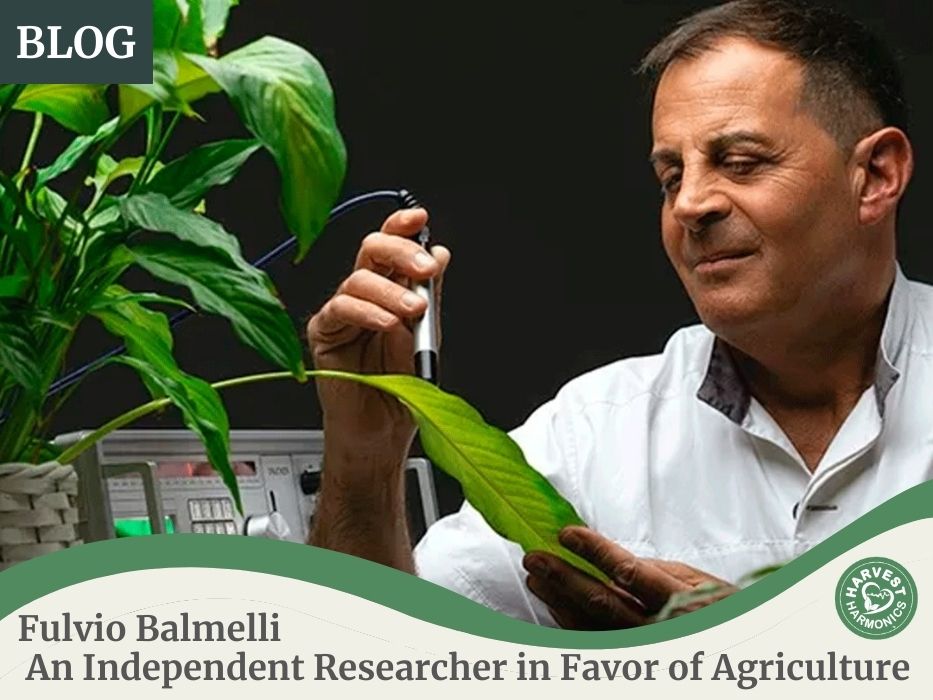
Fulvio Balmelli, An Independent Researcher in Favor of Agriculture
Fulvio Balmelli was born in Faido in the canton of Ticino in Switzerland on July 15, 1964.
He has been an independent researcher since 1990. With the tireless intention of developing long-term and effective solutions for human health, he found his way by creating his own path of knowledge and practical methods.
With a background in mechanical design, he studied alongside experts and doctors from various sectors, in the fields of human anatomy, homeopathy, herbal medicine, postural osteopathy, bioresonance, while continuing to deepen his knowledge of the physical sciences and biophysics. Since then, every morning, before starting the day, he studies medicine and physics texts, updating himself and comparing data and studies.
The meticulous work carried out by Fulvio Balmelli over the years as an independent researcher has consisted of creating an applied research system, carried out with the aim of finding practical and concrete solutions. The main objective was not to develop theoretical knowledge, but to exploit the knowledge already acquired from other previous basic investigations, place it in a single well-structured scheme based on logical inference and use it for the development of the related Cytoalgorithmic technology.
It should be noted that he has used his body as a “laboratory” for more than 30 years to encode biochemical and molecular processes, sometimes performing long and complex self-experiments, monitoring his clinical parameters several times a day through a research comparison system both biophysical and conventional.
At Harvest Harmonics, we leave you an interview with scientist Fulvio Balmelli:
What was your course of study?
I started to deal with natural medicine in 1988. Thanks to a health law still in force, I attended the first courses of phytotherapy, homeopathy and osteopathy, hardly known at that time. You should know that in Switzerland there is a law that protects the so-called “healers”, those people who use therapies commonly accepted by local and popular tradition: all those who know how to give massages, fix joints, use herbs, etc. In 1990, I went to Germany and did all the Bioresonance courses. I was very skeptical, I didn’t fully understand how this could work. I always want to try, to be sure, I am the worst “Saint Thomas”; theory is beautiful, practice is something else and we need certain and repeatable results based on scientific criteria.
I devoured books on all subjects. Unfortunately, in the scientific literature on nutrition, there are sometimes many contradictions, so I had to experiment for myself before I found out what was the most correct (for example, I tried all the major diets in the world). So I conducted thousands of tests with different nutrients and came to some interesting discoveries that resulted in the Kyminasi Diet, a line of Kyminasi cosmeceuticals, and even Kyminasi solutions for agriculture.
I continue to do research in the field of regenerative medicine: a subject that continues to fascinate me and that fuels my hopes for good results in the near future.
What does it mean to be an independent investigator?
A value equivalent to about six million euros spent on research in the last 30 years, also including my unpaid working hours. While continuing to freelance, I did 7-10 hours of research every day for the first 15 years (I only slept 4 hours a night, sometimes 2). For the next 15 years, I worked on research for 4-5 hours every day (I eventually got 6 hours of sleep a night). Today I can say that it was worth it, although it was very hard.
As you know, many researchers use their bodies as a research laboratory. To find some solutions it is necessary to know the problem closely. I have caused several negative physical conditions such as asthma, allergies and poisoning, sometimes it took me many years to get out of them. A couple of times I feared for my life (few know). These investigations allowed me to understand how to apply, under the control of conventional medicine, the principles of bioresonance, which later resulted in a completely new topic that I called cytoalgorithms, which use much “smaller” frequencies to deal directly with the cells of the organism.
What is your professional purpose?
My main purpose is definitely to help medicine. There is a long series of pathologies and diseases that, in my heart, from a very young age, I defined as unfair because they penalize our lives; you can treat them with traditional pharmacology but the body, sometimes, never goes back to the way it was before. I work so we can stay as healthy as possible, for as long as possible.
Over time, I realized that my discoveries could benefit other fields and act as a support in prevention and not only in treatment, such as agriculture or drinking water treatment.
I had to broaden my horizons to really achieve my goals.
When was this passion for medicine born?
From an early age. I used to tell my mom that I wanted to do a job to serve others and make them happy. I have always had the idea of working so that others can have the best: I always try to be kind, attentive and available because I like to help people.
How did you get into integrated medicine?
I wanted to find points of contact between conventional medicine and those sectors of natural medicine, not yet recognized by the scientific community, that do not have a pharmacological basis, in particular biophysics. Today I work in a clinical context: every non-pharmacological treatment receives validation through conventional analyses, the results of biophysical investigations are also detectable by conventional tests.
Do you deal with natural and regenerative medicine?
Yes, to improve the body so that it becomes stronger and longer, to ensure a better quality of life. I have to thank all the doctors who collaborated with me on this path that began more than thirty years ago, some of whom I am still working on today. We have faced thousands of situations that may seem impossible at first, obtaining improvements, resolution of pathologies and a return to normal life. But my dream goes much further: why can’t a person in his 60s or 70s have the energy of when he was 40 or 50? The body undergoes an aging process that then limits its life; my idea is that not only diseases are overcome, but that this deterioration decreases (as far as possible) and that the body is increasingly long-lived.
Is it a dream attainable by medicine in the future?
I’m sure. One of my favorite quotes is from Thomas Alva Edison: “The doctor of the future will not give any medicine, but will involve his patients in the care of the human body, in nutrition, in the causes and prevention of diseases.”
(Citation: The Journal of Medical-physical Research, 1948).
A more humane medicine then?
Decidedly. Sometimes medicine cares more about the disease than the patient. Umberto Veronesi said: “We need to return to the medicine of the person. To heal someone, we need to know who they are, what they think, what plans they have, why they enjoy and suffer. We need the patient to talk about his life, not about his ailments. Today the treatments are done with a reinforced concrete manual: you have this, do this; have something else, take this other. But that’s not the way to cure.” This concept follows the thought of Plato, who wrote that the greatest error in the treatment of diseases is that there are doctors for the body and doctors for the soul, but they should not be separated. For my part, I believe more than anything that the doctor of the body should never lose sight of the fact that it is a soul, however, from the point of view of the mechanics of the body, it has its knowable and invariable laws and with this stable principle I have built my technology to help doctors in precision medicine.
All this does not leave aside the basic element that sustains the doctor-patient relationship and that largely determines the success of recovery: it is about understanding, dialogue, sincere concern for the person. This always comes first.
How did this strong interest in research arise?
I’m going to tell you an episode. I was 21 years old, it was 1985, the year of the greatest frost of the last century, with temperatures of up to 25 degrees below zero in the plains. I was stuck in a shelter in Val di Blenio in Switzerland, after a sudden snowfall slowed me down for six hours.
I was alone, my feet and hands were frozen. In the hospital in Lugano, the doctors tell me that I have severe frostbite in my hands and feet and they want to amputate me (especially the two big toes). I don’t even think about it, I leave the hospital and start taking care of myself. After a few weeks, the doctors notice a clear improvement that avoids the operation. But it took six months to get back to full normalcy.
This experience has increased my desire to find real solutions in the field of integrative and regenerative medicine. I have studied for many years what I needed from official and natural medicine, actively collaborating with different doctors (and I am still studying). With some of them, I made myself available to develop various biophysical treatments in the clinical setting.
I am alive to the extent that I can help and it cannot be said that, until now, I have not “lived”.
When did you start taking care of plants too?
The idea of working with plants was born many years ago. One night I was working on my research on how carbon dioxide affects gastric factors. I was in a room where there was a beautiful plant and I thought “You work with carbon dioxide” and at that moment I told myself that I could develop a technology for agriculture, completely natural and without negative effects for plants or man, in fact, in this environment, unfortunately, an abuse of chemistry now dominates.
Before reaching the definitive prototype, which is really effective and gives many results in agriculture, I developed more than 100 and among these, we have carried out extensive experiments on 6 of them, which have led us over the years to the definitive prototype.
The main objective of this project has always been to provide organic farming with a tool that supports it and makes it competitive in the market, to guarantee future generations more and more quality fruits and vegetables rich in the nutrients necessary for our body, which, to date, unfortunately, we know is missing for a whole host of reasons.
What results are achieved in agriculture thanks to your discoveries?
Much of the fruit and vegetables grown today have lost 60-70% of their minerals and are tasteless. We have lab tests showing that there are marked improvements in this regard with our device. We continually receive positive feedback from farmers around the world.
It was what I wanted, to bring beauty and increase productivity by using fewer chemicals for the benefit of human health.
Press Room
Agricultural Technology for Farmers in India
Harvest HarmonicsTM New Biophysics Agricultural Technology For Farmers In India The Agricultural Biophysics technology, 20…
1
Organic Earth Tech, OETI, Launches One Million Dollar Technology
After hurricanes Maria and Irma, Puertorrican farmers are yet to receive the needed aid to recover. Organic Earth Tech…
0
Produce More From Less
CEO Harvest Harmonics Frank Arlia speaking at Replenish. Earth interview by Tia Kansara – London Climate Action Week. How…
0
Replenish Earth and the Environmental RE Talk Series
Replenish Earth and the environmental RE Talk Series event that reunited the top thinkers in the world Harvest Harmonics…
1
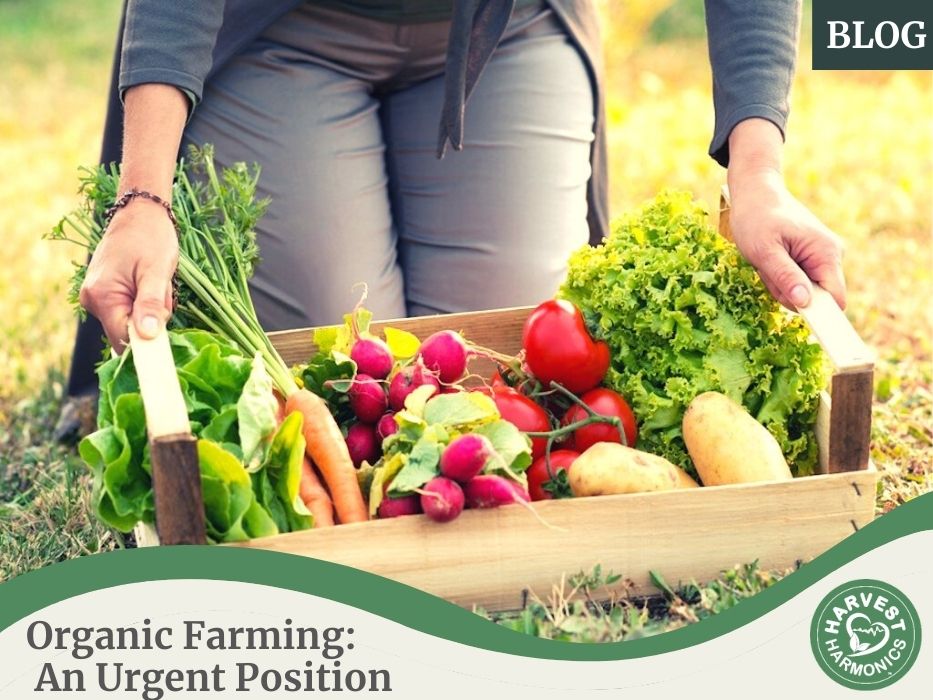
Organic Farming: An Urgent Position
Although technology-induced farming is considered the go-to choice in today’s world in order to feed the increasing population, the exorbitant use of pesticides, herbicides, fertilizers, and other inputs are damaging and endangering all living things on Earth. Eco-friendly farming has emerged as the only answer to bring sustainability to agriculture by helping to reduce and restrict agrichemical application while building and restoring a healthier environment for the soil microflora, fauna, farmers, and of course the people who consume the produce.
Eco-friendly farming management depends on developing biological diversity in the field in order to disrupt and ultimately destroy the pest through natural organism competition. Additionally, another strategy is the proper management and replenishment of soil fertility. As previously stated, organic farmers are not allowed to use non-organic agrichemicals or synthetic fertilizers so sustainable solutions, such as the Kyminasi Plant Booster (KPB) must be utilized.
An essential characteristic of the organic farming system is designing and implementing a sustainable farm plan that incorporates the organic practices listed above when producing crops and livestock. It is important to keep a detailed record-keeping system for retaining organic certification that tracks all inputs used, as well as crops from the field to the point of sale. Maintenance of buffer zones is important to prevent accidental contamination of unapproved inputs from nearby fields. Another key factor is choosing crops that are most adapted to the local environment and that best tolerate the area’s specific climatic and environmental conditions. The plants chosen must be vigorous, healthy, and highly productive by nature.
The organic approach to farming and gardening recognizes that the whole environment in which plants grow is much more than the sum of its individual parts and that all living things are synergistic, interrelated, and interdependent. Farmers need to return to sustainable methods before the enormous amounts of agrichemicals applied to increase crop production permanently pollute Earth’s water, soil, and air to a point of no return. As farmers, we need to work to make the environment healthier for future generations. In fact, we may need all the land in significantly better environmental quality just to sustain the exponentially growing population of tomorrow.
It is important to provide plants with a balanced nutrient supply by enriching the soil with compost, manure, or other organic materials. Choosing renewable input sources for farms is a great method to reduce the environment’s pollution levels. These are just some examples of how to grow with organic strategies while improving the environment.
Farmers now have access to a sustainable new technology called the Kyminasi Plant Booster that helps plants by improving photosynthesis, increasing harvest yields, improving crop quality, and adding vigor and disease resistance while reducing the need for water, fertilizer, and agrichemical inputs. KPB even improves animal forage nutrient density and quality in order to boost milk and livestock yields and nutrient density. Kyminasi Plant Booster
(KPB) is biophysics applied to agriculture and the device contains microtransmitters that produce more than 3,000 natural frequencies found in nature. Using the KPB technology, plants all over the world have not only had their health enhanced but completely recovered and revitalized. KPB gives farmers more profit, better crops, less stress, and a healthier workspace while improving the environment and increasing the nutritional content of food for humans and animals worldwide.
Source: Singh, M. (2021). Organic farming for sustainable agriculture. Indian Journal of Organic Farming, 1(1), 1-8. Duran-Lara, E. F., Valderrama, A., & Marican, A. (2020). Natural organic compounds for application in organic farming. Agriculture, 10(2), 41.
Edited by: Keegan Nelson
Press Room
Agricultural Technology for Farmers in India
Harvest HarmonicsTM New Biophysics Agricultural Technology For Farmers In India The Agricultural Biophysics technology, 20…
1
Organic Earth Tech, OETI, Launches One Million Dollar Technology
After hurricanes Maria and Irma, Puertorrican farmers are yet to receive the needed aid to recover. Organic Earth Tech…
0
Produce More From Less
CEO Harvest Harmonics Frank Arlia speaking at Replenish. Earth interview by Tia Kansara – London Climate Action Week. How…
0
Replenish Earth and the Environmental RE Talk Series
Replenish Earth and the environmental RE Talk Series event that reunited the top thinkers in the world Harvest Harmonics…
1
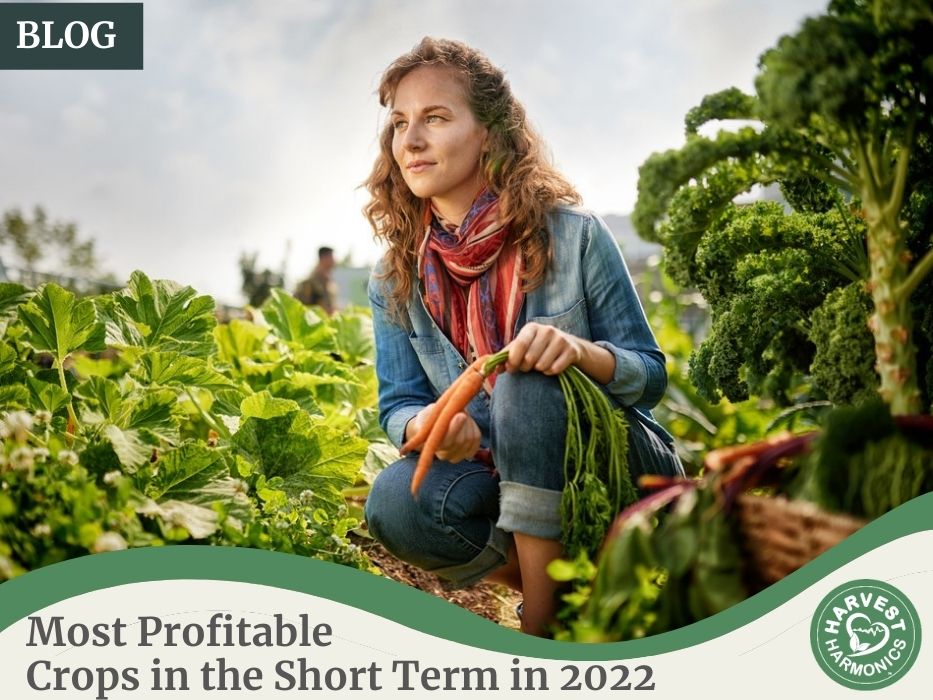
Most Profitable Crops in The Short Term in 2022
Surely you have heard of profitable crops that are in fashion: pistachio, almond, olive groves in hedges, and more.. However , crops which ones allow you to recover the investment as quickly as possible? In this article, we analyze the most profitable crops in the short term in 2022!
Choosing profitable crops in the short term is not easy. This is because agriculture is not always an exact science and the forecasts of production and prices can be discupted at any time. Even so, when proposing a new agricultural investment, it is essential to be clear about how long it will take to amortize the famr expenses. Thus, we will provide some general points that you can consider when choosing which crop is going to make your land more profitable in the short term.
Almond cultivation: productivity and profitability in the short term
In recent years, much has been said about almond cultivation and new agricultural plantations of this type have proliferated in many regions. There has even been talk of the risk of a speculative bubble in almond cultivation. The truth is that there are different almond plantation systems, and each one has its advantages and disadvantages.
As an investment, it is clear that in order to obtain good short-term profitability results, it is necessary to opt for semi-intensive or super-intensive almond plantations. Entry into super-intensive production is achieved before semi-intensive. This is also noticeable in the period of recovery of the investment, although the initial investment is almost double in superintensive compared to the other system.
It is clear that the short-term profitability of almond cultivation has greatly improved, with all the technological advances and knowledge that are being carried out in this crop. This, apart from the attractive prices, makes it a profitable crop in a very interesting short term.
Super-intensive rainfed olive grove cultivation
As we have seen in the almond tree, super-intensive systems shorten the entry into production of crops, in addition to making them more productive. This allows them to be profitable crops in the short term.
Olive cultivation is another typically traditional crop that has been intensified to make it more profitable. When we talk about hedgerow olive groves, there are two key aspects that make it profitable:
Mechanization of tasks and reduction of production costs
High productions by reducing the plantation frames and obtaining more feet per hectare
To get to this second point, we all think that it is essential to have irrigation for the hedge system to be successful.
Is it possible to have olive groves in dry land?
Making a good management of the plantation design, the choice of the variety and the pruning, yes. There are numerous examples in the northwest of Spain and also in the south, which for a couple of decades have been shortening the olive grove plantation frameworks. It is even possible to successfully grow dryland olive groves with 500 mm annual rainfall.
The typical traditional 6 x 7 m frames have been replaced by 3.5 x 1.35 m frames with a hedge width of 60-80 cm.
The entry into production is done in a short time. After 3 years of planting we can have the first harvest, and in the fourth year we are already at the neutral point with the plantation amortized.
Obviously the long-term return is not going to be as great as an irrigated plantation. But we are talking about an acceptable return: without a lot of investment (cost of the 1st year around US$1,000/ha), and in relatively short terms (4-5 years) that cannot be achieved with other permanent crops.
Pistachio cultivation: profitable yes, but in the short term?
Another profitable crop in the short term is the pistachio, which can be very well adapted to our climates and for which high prices are also predicted for the coming years.
Its entry into production will depend on whether grafted or grafted feet are planted. In the first case, after 3 years the plants begin to produce, while in the second, it can take up to 7 years.
The return on investment in pistachio cultivation is a little longer (7-8 years). In this way, although it is a profitable crop, it is not in such a short period of time as we have seen in previous crops.
Good profitability in the short term with extensive crops
It is clear that the short-term profitable crops par excellence are annual or extensive crops, since each year one or two harvests can be made. However, in the long term, they will not bring us as much income as a plantation. But in some areas there is no other option than to choose annual crops to keep the farms going. What crops are more profitable in this situation?
Rainfed crops
There are typical cereal-growing areas where oilseed crops, which are generally destined for the production of bio-diesel, are very interesting options due to the high prices at which they are quoted: camelina and rapeseed can leave gross margins between 300 and 500 US$/ha.
Irrigated crops
In irrigated fields, the typical crops of cereal, forage or corn, the margins are increasingly tight and it is more difficult to convert them into profitable crops in a short time, due to the high prices of inputs (diesel, fertilizers, phytosanitary products) and low prices of the productions. For this reason, in this sector you can choose between two alternatives:
Continue with the same crops giving them additional value
Corn for human consumption instead of feed, quality wheat for bakeries, barley for malt. Normally, these alternatives involve making contracts with the company that buys the harvest, which guarantee a minimum price and advice during the crop cycle. Or even double crop corn and winter grain.
Change to more profitable alternative crops
Look for profitable alternatives to corn and change this crop for soybeans, replace cereals to grow horticultural products for canning industries (peas, tomatoes, beans, broccoli, etc.) or change typical forages for more productive ones such as siambasa grass.
Control your costs to know the profitability of your crops
Finally, whatever investment you are considering, it is essential to monitor it, but it is not enough to collect invoices and bank receipts.
To evaluate which crops are profitable in the short term, you have to know which plots and varieties are giving the best results, which tasks involve the most expense, such as the Return on Investment, and a long list of economic parameters to ensure success.
Source: Agroptima
Press Room
Agricultural Technology for Farmers in India
Harvest HarmonicsTM New Biophysics Agricultural Technology For Farmers In India The Agricultural Biophysics technology, 20…
1
Organic Earth Tech, OETI, Launches One Million Dollar Technology
After hurricanes Maria and Irma, Puertorrican farmers are yet to receive the needed aid to recover. Organic Earth Tech…
0
Produce More From Less
CEO Harvest Harmonics Frank Arlia speaking at Replenish. Earth interview by Tia Kansara – London Climate Action Week. How…
0
Replenish Earth and the Environmental RE Talk Series
Replenish Earth and the environmental RE Talk Series event that reunited the top thinkers in the world Harvest Harmonics…
1