


Agricultural Soil Analysis: Practical Guide
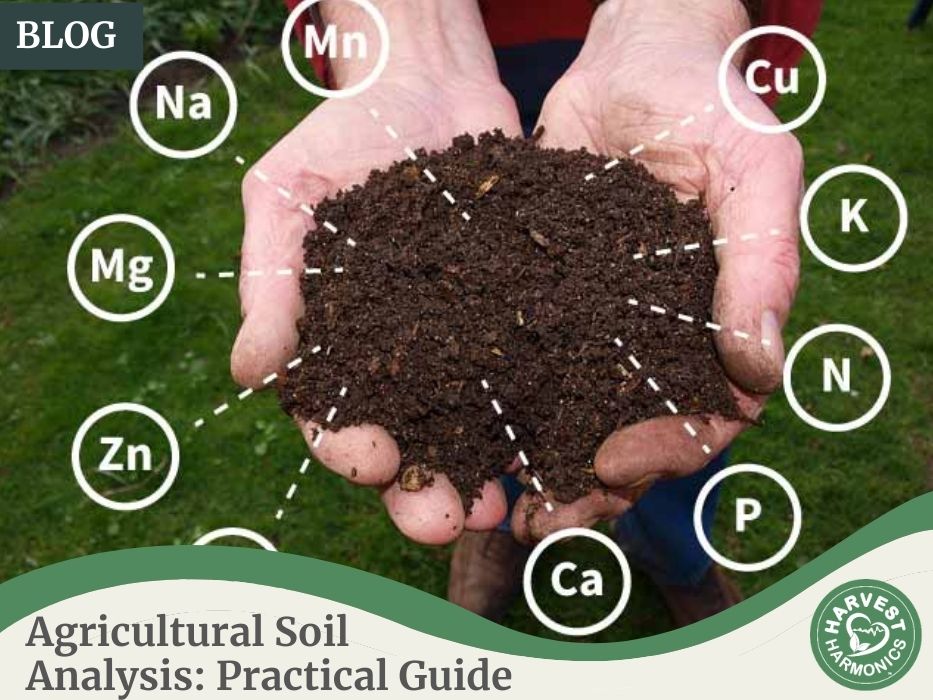
We know that many farmers are concerned about good fertilization. To achieve this, analyzing agricultural soils at the beginning of the campaign is very important. For this reason, in this article, we will talk about soil analysis: how to do it, how often, what parameters to analyze and how to interpret the results.
Agricultural soil analysis
The analyzes of the agricultural soil help us to know our soil and to know what nutrients it has for the crop. A soil test can be very extensive and include many parameters. Sometimes it may seem to us that we need to know everything, but each analysis has a cost. For this reason, it is important to be clear about what parameters to analyze and how often to analyze them.
“To achieve a good analysis, it is essential to take the samples well. It is not the same to analyze the surface of the soil than the soil at a depth of 60 or 90 cm”
Nor is the soil of a flat area the same as the soil of a sloping field. For this reason, it is also very important to do a good planning before taking the samples.
We are going to break down all the basic points to take into account when doing soil analysis.
Sampling of plots
For the result to be reliable and representative of a plot, the samples must be well collected.
It is important not to mix areas with texture differences as this causes variations in other soil parameters. It is also important not to mix soil from plots that are managed differently. In other words, do not mix a plot that is frequently fertilized with slurry with another that is fertilized with mineral fertilizer or one that is tilled with one that is directly sown.
Within the same plot or group of plots with a more or less homogeneous soil there is also a certain variability. This is why it is important to collect samples from more than one point in the plot or group of plots. Depending on the shape and size of your field you will see the best way to collect the samples.
At a minimum you should obtain sub-samples from 3 different points per plot. In large plots you can take one per hectare, approximately. These points must be well distributed in the plot and contain the center, the margins, sloped areas, etc.
The soil taken at all points you have to mix thoroughly. Then, from this mixture, you have to take the final sample of approximately half a kilo. The rest of the soil can be discarded.
Sampling depth is also important. In general, it is interesting to pick between 0 and 40 cm, which is where the plant develops its roots. In very deep soils that are easy for roots to penetrate, it is good to take samples up to 60 or 70 cm.
What soil parameters should I test and how often?
There are different types of parameters to consider.
Invariable soil parameters: This means that once is enough.
Soil texture
Texture indicates the proportion of different sized particles in the soil. In a familiar way we talk about coarse soils, fine soils, soils with a lot of clay, etc.
As a farmer, you surely know the type of texture you have in each plot of your farm. Even so, performing a texture analysis can give you extra information and help technicians to better advise you on issues such as soil management and soil fertility analysis.
At a technical-scientific level, textures are divided into four large groups according to the proportion of clay, silt and sand in the soil. The categories are:
· loamy soils
· sandy soils
· slimy soils
· open soils (no predominant fraction)
There may also be soils between the two categories, for example, open-loamy soils.
Soil pH: stability is the key
pH is a chemical parameter that indicates whether a substance is acidic or basic. The scale of results goes from 0 to 14. Being the soils of pH 7 neutral, those of more than 7 basic and those of less than 7 acids. The closer the value is to 0, the more acidic the soil is, and the closer it is to 14, the more basic.
pH affects nutrient availability and crop growth. Soils with very extreme pH are not fertile as there are no nutrients available to plants.
Little variable parameters: once every five years
1. Organic matter: the key to a fertile soil
Organic matter is key to having a fertile and productive soil. Soil organic matter are those soil compounds that are organic. Roughly, you can tell if a soil has a lot of organic matter by looking at its color: dark soils tend to have more organic matter.
Organic matter affects many soil properties and increases biological activity. It helps make soil nutrients available to the plant, keeps soil pH stable and reduces the risk of erosion.
There are different actions that can be carried out to increase or decrease the organic matter of a soil. For this reason, it is interesting to carry out an analysis of agricultural soils on a regular basis. Every 5 or 10 years, for example. These analyzes of organic matter are especially interesting if some action is taken to increase it, such as the application of manure or direct sowing.
2. Electrical conductivity: knowing the salinity of your soils
As you know, crops do not grow properly in saline soils. In fact, in very saline areas of the Ebro Valley, frequent localized irrigation is necessary to wash the salts from the root zone of fruit trees.
Soils can become salinized due to water with many dissolved salts and lack of good drainage. This especially occurs in irrigated areas in arid areas. For this reason, it is important to calculate a washing fraction in irrigation.
In rainfed areas, a single conductivity measurement may suffice. In irrigation, it is a parameter that can vary. For this reason, it is interesting to carry out periodic analyzes every 5-6 years.
3. Phosphorus: the key to growth
As you know, phosphorus is one of the macronutrients that crops require to grow properly. Depending on the humidity, the temperature of the soil and the type of roots of the crop, it will be able to intercept more or less phosphorus from the soil.
For this reason, the interpretations of the analysis of phosphorus in soils are complex. Depending on the areas and crops there are different interpretation tables.
Phosphorus is not very mobile in the soil, so carrying out an analysis every 5 years is enough to know what level you have in your soil.
4. Potassium: a quality production
Potassium is another of the macronutrients necessary for the correct development of the crop. Potassium is modified by various agricultural techniques such as mineral and/or organic fertilization, soil management, removing vegetable residues that are rich in potassium, etc. Even so, it is a little mobile element on the ground.
For this reason, carrying out potassium control analyzes every 5 years is enough to know if you have the correct levels in your soils and to be able to plan fertilization.
Potassium is of great importance in the quality of the final product. At this point, not only are deficiencies important, but also excesses of potassium. That the tree has enough potassium increases the level of sugars in the fruit, but an excess of this is related to rottenness in the fruit. In cereals, it increases lignification and produces better quality straw.
Highly variable parameters
In this type of parameters, the more analysis the better.
5. Nitrogen: maximizing yield
Nitrogen is the main macronutrient. As a farmer, you are surely very concerned to ensure that your crops do not suffer from nitrogen deficiency.
Nitrogen is found in the soil in many different forms. Some are accessible to crops while others are not:
Nitric nitrogen is the fraction of nitrogen directly assimilable by plants.
Ammoniacal nitrogen is also assimilable by plants as long as it is previously converted to nitric.
These two nitrogen fractions are what are analyzed in a soil nitrogen test.
In general, the ammoniacal part is very small, so analyzing the nitric nitrogen is usually sufficient. With this you can already plan the fertilization.
The nitrogen content in the soil is highly variable both in space and in time. Rainfall, soil management, fertilization and residue management, among others, directly affect the nitrous nitrogen content of the soil. As a result, winter exit levels after a rainy winter can be radically different from the previous fall’s levels.
For this reason, it is recommended to do at least one soil test per year. This analysis can be done before sowing or at the end of winter:
If it is done before sowing, it is possible to calculate the nitrogen available at the end of winter, knowing parameters such as: crop needs, applied fertilization, temperature and rainfall, etc.
If it is analyzed at the end of winter, it is ensured that the necessary nutrients are provided to the cover, even though the background fertilization has been carried out “blindly”.
Conclusion
As you can see, analyzing agricultural soils gives you a lot of information about your plots. This information can help you on a daily basis in many ways. It is important to link the results of the analyzes with operations such as tillage, fertilization, etc. And, based on the results and where you want to go, prepare future actions.
Source: Villar, J.M. Villar, P. Guide to Soil Fertility and Plant Nutrition on Integrated Production.
Press Room

Agricultural Technology for Farmers in India
Harvest HarmonicsTM New Biophysics Agricultural Technology For Farmers In India The Agricultural Biophysics technology, 20…
1

Organic Earth Tech, OETI, Launches One Million Dollar Technology
After hurricanes Maria and Irma, Puertorrican farmers are yet to receive the needed aid to recover. Organic Earth Tech…
0

Produce More From Less
CEO Harvest Harmonics Frank Arlia speaking at Replenish. Earth interview by Tia Kansara – London Climate Action Week. How…
0

Replenish Earth and the Environmental RE Talk Series
Replenish Earth and the environmental RE Talk Series event that reunited the top thinkers in the world Harvest Harmonics…
1
The Digitalization Process of Agriculture
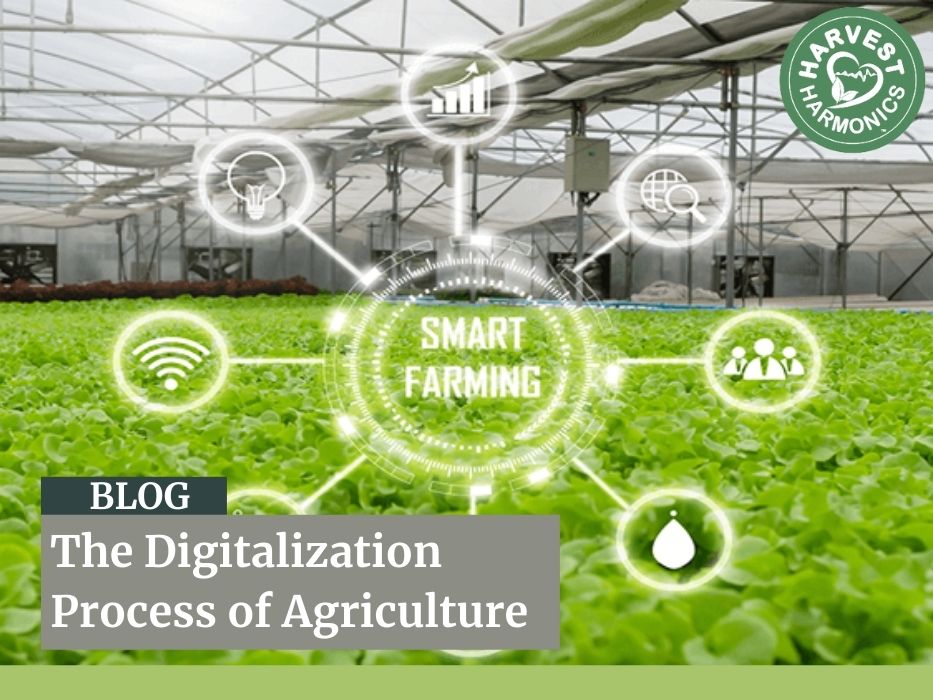
In recent years, technology has allowed digitization in all work areas. The primary sector is no stranger to technological changes and has also been immersed in digitization.
The digitization of agriculture was born in order to save and improve the handling, management, parameterization and quality of life in general for farmers. In this post we are going to see how digitization in agriculture can help us and benefit us in the agricultural management of our farms.
What are the objectives of the digitization of agriculture?
The digitization of agriculture aims to put paper aside and record all data electronically in the field notebook. Within the agricultural sector, this process arises with several clear objectives based on pre-existing needs.
Reduce physical documents
The agricultural sector stands out for its heavy burden of bureaucracy and paper documents that in many cases make order and management difficult. Unlike an office, in the field papers can get wet, dirty or lost very easily, in addition to storing a large number of folders.
With the digitization of agriculture, we want to avoid all these papers and documents and work digitally with the same mobile phone. Today, the vast majority of people in the agricultural sector carry a state-of-the-art mobile phone with an Internet connection in their pocket. This allows the digitization of agriculture to be very easy and attractive for all farmers.
Use of Data
The digitization of data in agriculture is a very important first step to meet other challenges that facilitate the organization and daily management of agricultural and livestock farms.
The key to being able to easily and safely manage a farm is to use data to make our work easier. The digitization of agriculture can allow us to quickly know the yield per hectare of a crop plot by plot, the exact amounts of herbicide that we must apply, or the sowing dose per hectare depending on the plot we are working on, etc.
All this implies the use of data that we have previously digitized and allows us to improve efficiency and consequently increase the profits of our agricultural company.
Business development
The digitization of data and its subsequent use to manage our farm allows us to take a much broader view and go further at the business level. The agricultural digital transformation implies modernization and therefore the capacity for business development and new business models that are increasingly economically and environmentally sustainable.
The digitalization of agriculture today
As we have been saying, there are multiple advantages of digital transformations in agriculture. There are currently many examples of practices that are already being developed to promote the digitization and modernization of the sector.
Precision farming
Precision agriculture was born as a result of the digitalization of agriculture. It intends to use data and images obtained from satellites to analyze different agricultural parameters, the behavior and development of crops, soil fertility, etc.
All this allows the farmer to be able to fertilize or pay with the exact amount that is needed at any given time, irrigate area by area of the farm with the water resources that the plants need, or automate fertigation processes in greenhouses or orchards.
There are agricultural management programs that start from the beginning: collect data and then be able to use it and exponentially improve the management of your farm.
A mobile application allows field workers to record the different tasks that are being carried out on the same farm. This allows you to enter all the plots of the farm or agricultural company to later be able to parameterize the data.
With a mobile phone you can write down very easily and from anywhere what sowing dose you are using, what treatment you are doing and what plots you have worked.
This easy and comfortable task then allows us to automatically extract a whole series of historical data, calendars, dates, cost control, and even automatically download the official notebooks that have to be presented before an agricultural inspection.
Currently there are also programs for agricultural companies, with an application and program focused on the management of a large agricultural company, as well as the management of workers.
The digitization of agriculture, an issue of the present
We have seen that agricultural digitization is already part of the present in the agricultural sector and no one doubts that it is here to stay. The advantages of digitization are multiple: saving time, phytosanitary products, losing paper and, above all, reducing costs and increasing profits. If you are interested in digitization and you are one of those who believes that you cannot be left behind.
Press Room
Agricultural Technology for Farmers in India
Harvest HarmonicsTM New Biophysics Agricultural Technology For Farmers In India The Agricultural Biophysics technology, 20…
1
Organic Earth Tech, OETI, Launches One Million Dollar Technology
After hurricanes Maria and Irma, Puertorrican farmers are yet to receive the needed aid to recover. Organic Earth Tech…
0
Produce More From Less
CEO Harvest Harmonics Frank Arlia speaking at Replenish. Earth interview by Tia Kansara – London Climate Action Week. How…
0
Replenish Earth and the Environmental RE Talk Series
Replenish Earth and the environmental RE Talk Series event that reunited the top thinkers in the world Harvest Harmonics…
1
The Organic Processes of the Soil
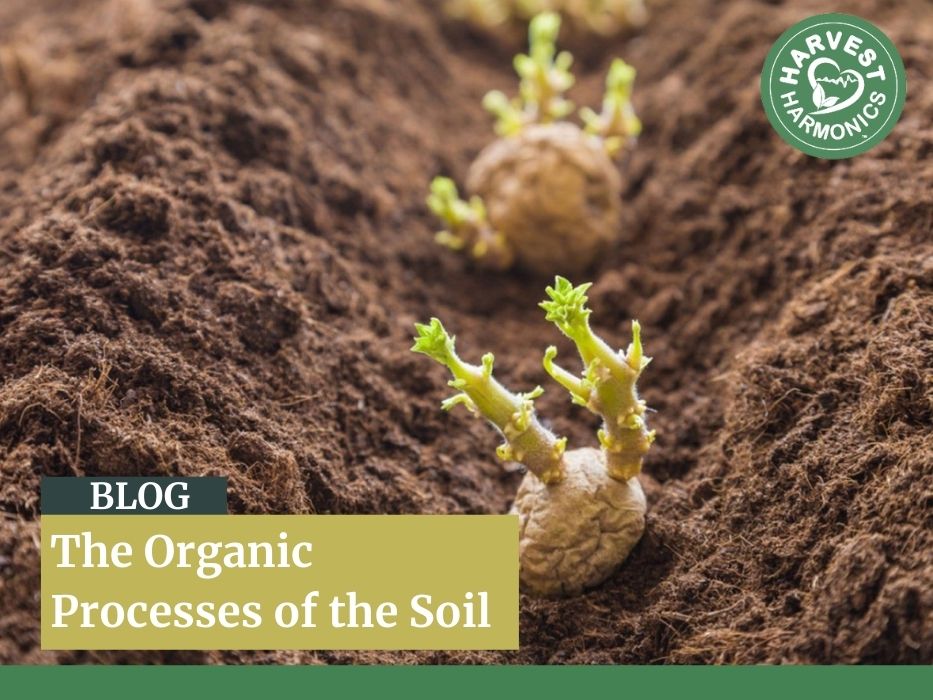
Soils are characterized by being poor in nutrients or presenting deficiencies in some of them, so the maintenance of high levels of organic matter contributes through biological cycles, to constitute a biodeposit of nutrients, as well as to contribute to the capacity of cation exchange.
The productivity of a sustainable agricultural system is closely linked to the magnitude and efficiency of the use of nutrients, and the reduction of their losses, which can be reduced, but not eliminated, since processes such as volatilization, fixation and immobilization of nutrients, to name a few, cannot be totally eliminated.
The use of plant residues as such or incorporated into the soil can help reduce erosion losses by keeping it covered, while increasing the rate of incorporation of organic matter.
The production of compost from crop residues, household waste, manure and other locally available organic residues is another important strategy for the recycling of nutrients. Compost is the final product of the decomposition of organic matter by soil microorganisms and constitutes an organic fertilizer that fulfills a double function: it contributes to improving its structure and provides nutrients; its organic acids make the nutrients in the soil more available to the plant.
Similarly, the use of the earthworm for the transformation of organic waste into humus and its incorporation into the soil as organic fertilizer is a practice that allows the life of the soil to be intensified due to the abundant microbial flora it contains. The earthworm humus is a biological stimulator of soil fertility due to the balanced contribution of vitamins, enzymes, auxins, macro and micro elements, fulvic and humic acids that with its application is achieved.
Macros and micro elements can be radically assimilated, while enzymes, vitamins and auxins exert their function in the rhizosphere and at the same time stimulate the development of concurrent microorganisms in that area.
Mineralization is the decomposition of humus, coming from both composting and vermiculture processes and natural transformation phenomena in soils, in addition to giving rise to the formation of products or substances assimilated by plants (ammonium, nitrates and mineral substances). As a process, it is a biological oxidation in the presence of calcium (Ca) and phosphorus (P) that occurs slowly. It is carried out by highly specialized organisms and takes place under suitable conditions of humidity, pH, temperature and the presence of oxygen.
Fulvic acids appear as an initial result of the biological oxidation of organic matter and, in the presence of calcium, phosphorus, potassium and nitrogen, they are in turn biotransformed into humic acids that are subsequently degraded to become the aforementioned nutritional substances. An excess of calcium, a product of liming in the soils, which is associated with pH values higher than 8 units, causes the retransformation of this chemical species to fulvic acids again and stops the mineralization process. This situation draws attention to the need to take into account the characteristics of the soils before applying organic matter to them.
The increase in the biological fixation of atmospheric nitrogen by the use of bacteria-based biopreparations (Rhizobium, Bradyrihzobium, Azotobacter, Azospirillum, etc.) that allow supplying part of the nitrogen that plants need, as well as the use of other microorganisms capable of solubilizing fixed or non-assimilable phosphorus from soils are effective alternatives to maximize the use of nutrients by plants.
There are many commercial versions of these products and their use is already a common practice in modern agriculture. Their choice depends on the edaphoclimatic conditions in which they must exert their effect and the management possibilities available to the producer.
The application of organic matter to the soil must not only respond to the need to guarantee the improvement and / or conservation of this natural resource: it must also take into account the nutritional consumption of the plant species to be cultivated, so that it is equally valid by the net contribution of elements that is obtained.
Thus, the nutritional richness of the different organic sources used in agriculture must be taken into account. In this regard, cachaça, worm humus and manures of various origins are among the most widely consumed and recognized materials.
Press Room
Agricultural Technology for Farmers in India
Harvest HarmonicsTM New Biophysics Agricultural Technology For Farmers In India The Agricultural Biophysics technology, 20…
1
Organic Earth Tech, OETI, Launches One Million Dollar Technology
After hurricanes Maria and Irma, Puertorrican farmers are yet to receive the needed aid to recover. Organic Earth Tech…
0
Produce More From Less
CEO Harvest Harmonics Frank Arlia speaking at Replenish. Earth interview by Tia Kansara – London Climate Action Week. How…
0
Replenish Earth and the Environmental RE Talk Series
Replenish Earth and the environmental RE Talk Series event that reunited the top thinkers in the world Harvest Harmonics…
1
Soil Fertility
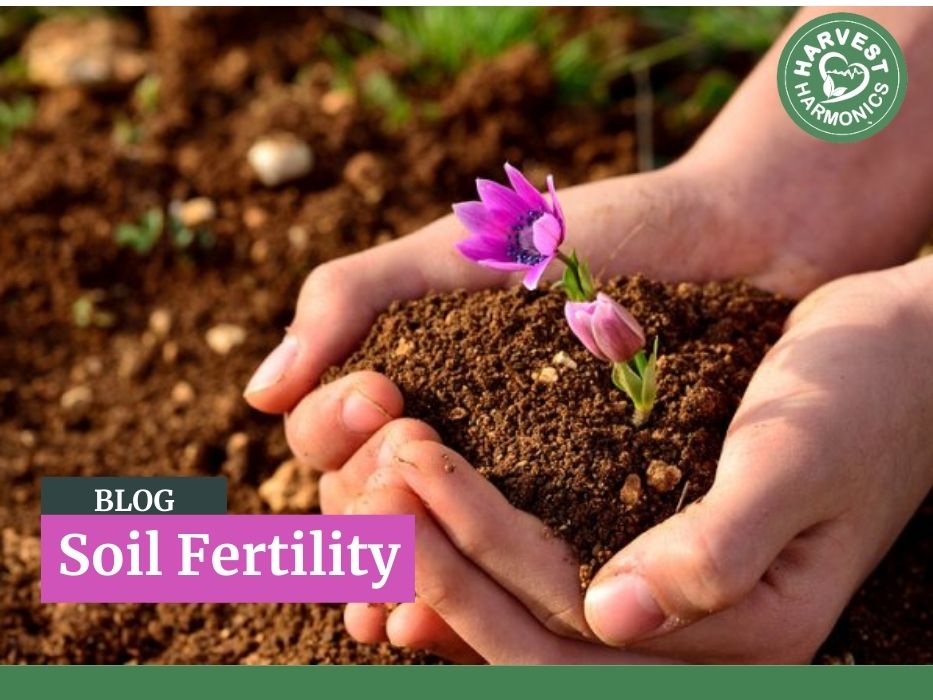
Three nutrients are recognized from the quantitative point of view as main: nitrogen (N), phosphorus (P) and potassium (K), followed by sulfur (S), calcium (Ca) and magnesium (Mg) as secondary elements and another group of which plants need only small amounts and are known as trace elements; iron (Fe), zinc (Zn), manganese (Mn), copper (Cu), boron (B) and molybdenum (Mo).
For the metabolic functioning of the plant to be adequate and its optimal development, it is necessary that the nutritive substances are in balance and interact harmoniously, while in excess or deficit weak plants are originated, susceptible to attack by pests and diseases, low food quality and short-lived crops.
Each nutrient cannot be evaluated in isolation but in its relationship with the others, being of fundamental importance the knowledge of the functions of each of these in relation to plant metabolism.
Nitrogen. – It is essential for vegetative growth and essential in the protein formation process. Its deficiency causes low yields, weak tillering in cereals, premature maturity, light green or yellowish leaves, among others. An excess of this element translates into less resistance against pests and diseases, capsizing of plants, dark bluish-green leaves and delayed maturation.
Phosphorus. – It plays a fundamental role in cell division and is an elemental part in high valence protein compounds, influences the formation of roots and seeds, being a main regulator of all the life cycles of plants. Its deficiency is manifested by a delay in flowering and a low production of fruits and seeds. Too much can cause elements such as zinc to stick to the ground.
Potassium. – It actively intervenes in the process of cell division, regulating the availability of sugars, as well as in the absorption processes of calcium, nitrogen and sodium. Its deficiency is manifested in the form of necrosis in the margins and tips of the oldest leaves, low yield and little stability of the plant, poor quality and high loss of the harvested product. In excess of fixation the fixation of magnesium and calcium.
Calcium. – It is a fundamental part of certain compounds and very important in the regulation of pH, strengthens the roots and cell walls and regulates the absorption of nutrients.
Magnesium. – Constituent of chlorophyll, it has a predominant role in the activity of enzymes related to carbohydrate metabolism. Its deficiency is manifested in the plant by the presence of lower chlorotic leaves, reducing the harvest and the size of the fruits; an excess of this element causes calcium deficiencies.
Sulfur. – Indispensable for the protein formation process, especially in legumes, its deficiency symptoms in general are not very visible.
Iron. – It constitutes an important catalyst for photosynthesis and oxidation participating in the processes of formation of carbohydrates and chlorophyll, its deficiency causes chlorosis between the veins, mainly in the youngest leaves, reduces growth speed and limits fruiting; in excess it causes necrosis spots on the leaves.
Copper. – It is a catalyst for plant metabolism, as well as a component of fundamental enzymes such as polyphenol oxidase. When there is a lack of this element, the leaves appear dark green and roll up, while its excess is harmful, especially if there is a presence of more than 10 ppm of this element in the soil since it is toxic to the microbial life of the soil. and the roots of the plants themselves, inducing iron deficiency.
Zinc. – Important factor in the production of auxins, an essential component of enzymes and coenzymes and its deficiency produces chlorosis, shortening of the internodes and decreased seed production, and its excess brings with it an iron deficiency.
Manganese. – It is an activator of many essential enzymes, its lack produces chlorotic leaves with necrotic and malformed lesions.
Boron. – It has the property of forming complexes with sugars, playing an important role in their transport, its lack causes death of the apical meristems, the plants have a bush-like appearance with many branches, flowering often
does not exist and when there are fruits, these are usually badly formed. Excess causes chlorosis and burns. The range between sufficiency and toxicity is very narrow.
Molybdenum. – It is essential for nitrogen fixation from Rhizobium. In a state of deficiency, a chlorosis that varies from a greenish-yellow to pale orange color develops, and may present necrosis; flowering can be suppressed and legumes often show symptoms of nitrogen deficiency.
Press Room
Agricultural Technology for Farmers in India
Harvest HarmonicsTM New Biophysics Agricultural Technology For Farmers In India The Agricultural Biophysics technology, 20…
1
Organic Earth Tech, OETI, Launches One Million Dollar Technology
After hurricanes Maria and Irma, Puertorrican farmers are yet to receive the needed aid to recover. Organic Earth Tech…
0
Produce More From Less
CEO Harvest Harmonics Frank Arlia speaking at Replenish. Earth interview by Tia Kansara – London Climate Action Week. How…
0
Replenish Earth and the Environmental RE Talk Series
Replenish Earth and the environmental RE Talk Series event that reunited the top thinkers in the world Harvest Harmonics…
1

Nutrient Recycling: Practical Aspects
The soil system is complex, dynamic and diverse, in it are mineral substances, gaseous elements and a large number of living and decomposing plant and animal organisms.
Soil organic matter influences almost all important properties that contribute to soil quality, despite representing a small percentage of the weight of most soils (1% – 6%). The quality and quantity of organic matter can change the properties of the soil, a good management of it can improve the structure and availability of nutrients, as well as increase its biological diversity.
In the soil, organic matter can be differentiated into three phases:
1. Raw organic matter, made up of fresh and partially decomposed animal and vegetable waste.
2. Humus in formation, made up of advanced decomposition products of organic waste and products re-synthesized by microorganisms (carbohydrates, organic acids, nitrogenous compounds, lignins, etc.)
3. Stable humus, formed by strictly humic substances (humic acids, fulvic acids, humins, etc.), most of them bound to the mineral part of the soil.
It is important to point out that, although the terms organic matter and humus are often used interchangeably, they have different meanings; humus is the fraction of organic matter in the soil totally decomposed and relatively stable with great influence on the chemical properties of the soil.
Most of the nutrients that plants need for their growth and development are absorbed by the roots directly from the soil solution, (fraction of the water present in the soil that is available to be absorbed by the roots and that contains dissolved elements in assimilable forms); with the exception of carbon (C), hydrogen (H) and oxygen (O) that plants take mainly from CO2 from air and water and which account for more than 90% of their dry weight. For carbon, oxygen and nitrogen, the atmosphere functions as the main reservoir, while for phosphorus, calcium, sulfur, potassium, as well as for most micronutrients, the soil is the main reservoir.
Not all the nutrients present in the soil, or in the atmosphere are in a form available to plants, some must be transformed before they can be used, an example of this is atmospheric nitrogen, which through the biological fixation process carried out by some microorganisms it can be incorporated into the biomass of plants or into the soil. During the mineralization process, it can be converted to assimilable forms (ammonium and nitrate) by the roots and later returned to the atmosphere by different routes, as reflected in the geochemical cycle of this element.
Press Room
Agricultural Technology for Farmers in India
Harvest HarmonicsTM New Biophysics Agricultural Technology For Farmers In India The Agricultural Biophysics technology, 20…
1
Organic Earth Tech, OETI, Launches One Million Dollar Technology
After hurricanes Maria and Irma, Puertorrican farmers are yet to receive the needed aid to recover. Organic Earth Tech…
0
Produce More From Less
CEO Harvest Harmonics Frank Arlia speaking at Replenish. Earth interview by Tia Kansara – London Climate Action Week. How…
0
Replenish Earth and the Environmental RE Talk Series
Replenish Earth and the environmental RE Talk Series event that reunited the top thinkers in the world Harvest Harmonics…
1
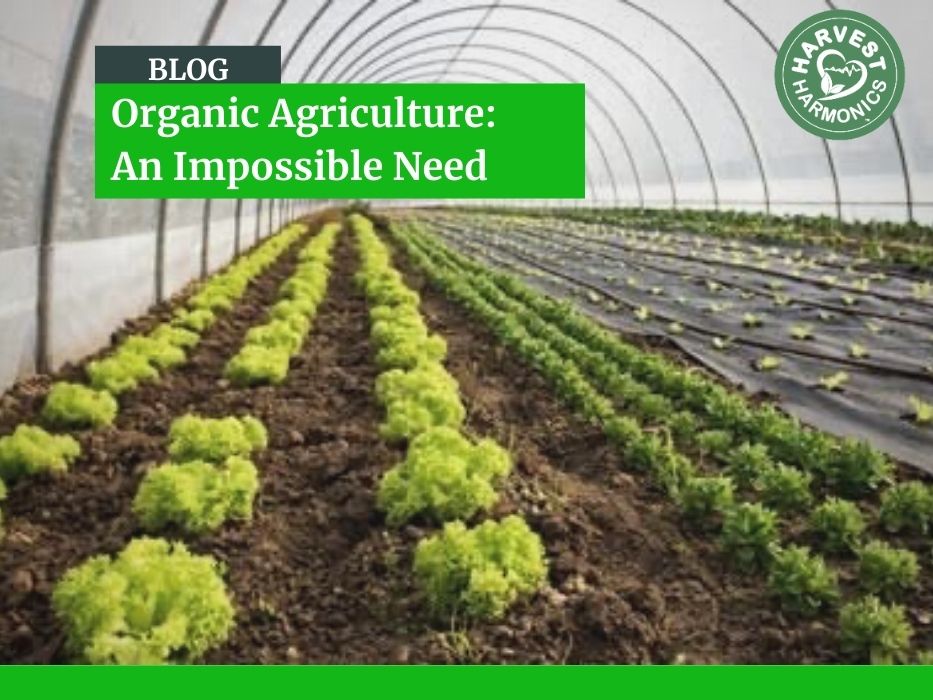
Organic Agriculture: An Impossible Need
Among the most significant demands and mandates that are being received by research institutions, technology transfer centers, municipal organizations, non-governmental organizations and international cooperation agencies, is the development and transfer of appropriate technology. for food production in cities or their peripheries. Within this context, the generation and application of appropriate and sustainable technologies acquires, in light of the current challenges of mega-urbanization, urban poverty, malnutrition and food insecurity, a critical and urgent importance.
Urban and peri-urban agriculture (UPA) must be conceptualized as an integral and coexisting part of the complex mechanism of food supply and distribution in urban centers, requiring mechanisms for the adoption and implementation of intensive horticultural production processes aimed at self-consumption and / or market.
From the perspective of FAO, organic agriculture comprises a holistic production management system that promotes and improves the health of the agro-ecosystem and in particular biodiversity, biological cycles and soil biological activity requiring technologies, based in verified technical scientific information that allows appropriation and expansion.
Organic agriculture, seen as a coexisting component with other forms of agriculture at the urban and peri-urban level, is beginning to attract the attention of many countries, especially in the face of the reduction of government support for credits to agricultural inputs and technology transfer. For this to be promoted and concrete, it is necessary to propose a diversification approach in organic systems, in turn increasing the stability of ecosystems, protecting the environment, the safety of human health, and adapting to the socioeconomic conditions that they prevail in marginalized sectors of large urban and peri-urban areas. This process must be based on proven technical guidelines in a process of coexistence with guidelines that come from sustainable agriculture, soil conservation agriculture, integrated crop and pest management, and biotechnology applications, especially in the control of abiotic limitations. and biotics that are influencing the productivity and safety of the products.
Sustainable organic agriculture poses new challenges to countries and their institutions especially in the possibility of contributing to the quality of the environment, income generation and food security. An informed, science and technology-based decision regarding organic agriculture must be integrated into a range of sustainable agricultural and horticultural options supported by research and extension to support business opportunities at national and international levels.
Organic agriculture offers the opportunity to combine traditional knowledge with modern biological, genetic and molecular science, new and innovative production technologies to provide business opportunities that allow income generation and a greater contribution to self-supply of food.
It is a priority activity to strengthen and disseminate appropriate technologies for organic agriculture at the level of urban and peri-urban conditions. The manual focuses with criteria of solid scientific bases, vital aspects of fertility and soil management, biological and natural control of pests and diseases, genetic improvement and seed production, and aspects of
horticultural, fruit and animal management and their commercialization, for normal conditions of the countries of the region. The proposal considers conducting an exhaustive review of national and international literature incorporating previously unpublished information within a broad context of sustainable organic agriculture not subject to dogmatic limitations in its technical applications and open to coexistence with other forms of sustainable agriculture.
The manual is an integral part of a technology transfer process aimed at urban and peri-urban agriculture that is being developed by the FAO Regional Office for Latin America and the Caribbean, which includes production options linked to conventional orchards with minimal application of supplies; hydroponic micro gardens; organic gardens and home gardens, as well as the raising of small animals in regulated conditions with respect to health and current municipal regulations.
Aware that the organic production methods to be chosen by urban and peri-urban farmers depend on agroecological conditions and the availability and cost of the basic input of organic matter, it is very important to analyze the bases for a sustainable production at the level. from organic orchards. This vision should include the use of local varieties and improved varieties by governmental and academic research institutes including the future feasibility of incorporating improved varieties through the application of modern biotechnology in aspects such as resistance to insects, fungi, bacteria and other biotic and abiotic agents as well as the improvement of their nutritional quality.
Urban and peri-urban organic agriculture should not be limited by commercial or fundamentalist conceptualizations, promoting in turn the application, based on published and verified scientific information, of comprehensive multicultural management comprising crop rotations, cover crops, fertilizers from natural sources, the use of composted organic materials and zero-tillage technologies to improve soil fertility and structure. In the aspects of control of insects and other pests, the focus should be placed on the use of biopesticides, plant extracts and the use of varieties improved by resistance through the application of biotechnology to genetic improvement. Organic agriculture for urban conditions must allow a harmonious coexistence of technologies, primarily seeking the self-supply of safe food to the many marginalized urban and peri-urban populations and promote the eventuality of income generation through self-management. This approach is both a challenge and a revolutionary idea.
Press Room
Agricultural Technology for Farmers in India
Harvest HarmonicsTM New Biophysics Agricultural Technology For Farmers In India The Agricultural Biophysics technology, 20…
1
Organic Earth Tech, OETI, Launches One Million Dollar Technology
After hurricanes Maria and Irma, Puertorrican farmers are yet to receive the needed aid to recover. Organic Earth Tech…
0
Produce More From Less
CEO Harvest Harmonics Frank Arlia speaking at Replenish. Earth interview by Tia Kansara – London Climate Action Week. How…
0
Replenish Earth and the Environmental RE Talk Series
Replenish Earth and the environmental RE Talk Series event that reunited the top thinkers in the world Harvest Harmonics…
1
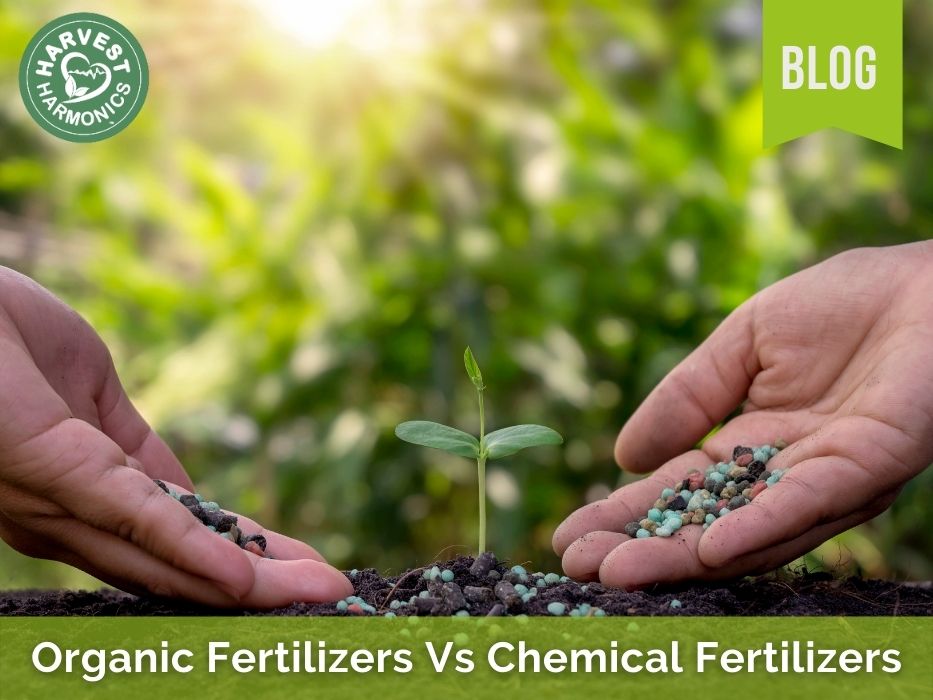
Organic Fertilizers Vs Chemical Fertilizers
Plants and crops need nutrients for their proper development and optimal crop performance. These nutrients are taken from the air through the leaves (CO2 and O2) and, mainly, from the soil through the roots (macronutrients: N, P, K, Ca, Mg, S and micronutrients: Fe, Mn, Zn, Cu, B…). For a soil or substrate to have and provide all the nutrients that the plant needs, it is necessary to fertilize the soil using fertilizers, either organic, chemical or a combination of both.
Which is better: organic compost or chemical compost?
Although on many occasions confrontational situations are created between some types and others, the truth is that the use of chemical fertilizers, organic fertilizers or the combined application of both will depend on the needs of the plant, the specific characteristics of the soil or substrate, the extension and type of crop production, and point of development (before sowing, during development, etc.).
Differences and advantages of organic fertilizers and chemical fertilizers
Organic fertilizers are by-products of animal and vegetable origin: manure (excrement of cows, pigs, chickens, etc., from livestock operations); composting of organic matter from various sources: post-harvest plant remains, organic matter for human consumption; sludge (from treatment plants); peat; minerals; etc.
Although organic fertilizers contain an important combination of nutrients, their content or, rather, their concentration in micronutrients and macronutrients is usually low and variable, which is why they must be supplied in high concentrations to cover the fertilization needs of the soil. But, on the other hand, organic fertilizers provide great benefits and improvements to the quality and conditions of the soil since:
1. They improve the structure and properties of the soil.
2. It has a regulating effect on soil temperature and prevents excessive evaporation by helping to maintain soil moisture.
3. It favors the development of beneficial microbiota for the crop.
4. Creates suitable conditions for the use of chemical fertilizers of specific nutrient composition.
On the other hand, chemical fertilizers or chemical fertilizers have a synthetic origin and are produced by the agrochemical industry from natural substances or by chemical synthesis. Chemical fertilizers have some clear advantages:
1. They have a defined chemical composition, so they can be applied more precisely as needed.
2. They can be applied more easily and at specific times in the development of the crop.
3. They allow more variety of applications (particles scattered on the ground, dissolved in water, application in specific parts).
But chemical fertilizers also have limitations, since they only affect the presence of nutrients in the soil, without really improving its physical characteristics. That said, as it contains nutrients in high concentration, its application in excess can cause important problems of environmental pollution, especially nitrogen fertilizers and the contamination of groundwater.
Chemical fertilizers and organic fertilizers can be two complementary ways to fertilize soils. Depending on the characteristics of the crop and the type of production (it is not the same to speak of a small garden than a large farm) we can preferably use organic fertilizers, chemical fertilizers or a combination of both.
Press Room
Agricultural Technology for Farmers in India
Harvest HarmonicsTM New Biophysics Agricultural Technology For Farmers In India The Agricultural Biophysics technology, 20…
1
Organic Earth Tech, OETI, Launches One Million Dollar Technology
After hurricanes Maria and Irma, Puertorrican farmers are yet to receive the needed aid to recover. Organic Earth Tech…
0
Produce More From Less
CEO Harvest Harmonics Frank Arlia speaking at Replenish. Earth interview by Tia Kansara – London Climate Action Week. How…
0
Replenish Earth and the Environmental RE Talk Series
Replenish Earth and the environmental RE Talk Series event that reunited the top thinkers in the world Harvest Harmonics…
1
Agricultural Applications of Efficient Microorganisms
For the action of microorganisms to be efficient, environmental requirements must be known, including humidity, temperature and pH. There is a greater diversity of microorganisms in environments with a neutral pH between values of 6 to 8 and with temperatures between 15-45°C (50-113°F). The reproduction or inoculation of ME is carried out under anaerobic fermentation.
Several authors have proposed the implementation of clean technologies through the use of microorganisms with beneficial effects.
The use of efficient microorganisms in agriculture depends on the area, soil quality, climate, cultivation methods and irrigation, among other factors. With the application of beneficial microorganisms, the soil retains more water, which implies an improvement of the crops that increase their resistance to water stress in times of drought or in sandier soils. This improvement is given both by the increase in organic matter in the soil, reducing porosity, as a consequence of microbial activity, and by ionic balance, thus favoring the interaction of the surface charges of the physical structure of the soil with ionic charges. of water (Toalombo, 2012).
Use in seedbeds: there is an increase in the speed and percentage of seed germination, due to its hormonal effect, similar to that of gibberellic acid, increased vigor and growth of the stem and roots, from germination to the emergence of seedlings, for their effect as plant growth promoting rhizobacteria. Increased chances of seedling survival.
Use in plants: they induce mechanisms of elimination of insects and diseases in plants, since they can induce the systemic resistance of crops to diseases, consume the exudates of roots, leaves, flowers and fruits, avoiding the spread of pathogenic organisms and development of diseases, increases the growth, quality and productivity of crops, and promotes flowering, fruiting and maturation due to its hormonal effects in meristematic areas. It increases the photosynthesis capacity through greater foliar development (Haney et al., 2015).
Press Room
Agricultural Technology for Farmers in India
Harvest HarmonicsTM New Biophysics Agricultural Technology For Farmers In India The Agricultural Biophysics technology, 20…
1
Organic Earth Tech, OETI, Launches One Million Dollar Technology
After hurricanes Maria and Irma, Puertorrican farmers are yet to receive the needed aid to recover. Organic Earth Tech…
0
Produce More From Less
CEO Harvest Harmonics Frank Arlia speaking at Replenish. Earth interview by Tia Kansara – London Climate Action Week. How…
0
Replenish Earth and the Environmental RE Talk Series
Replenish Earth and the environmental RE Talk Series event that reunited the top thinkers in the world Harvest Harmonics…
1
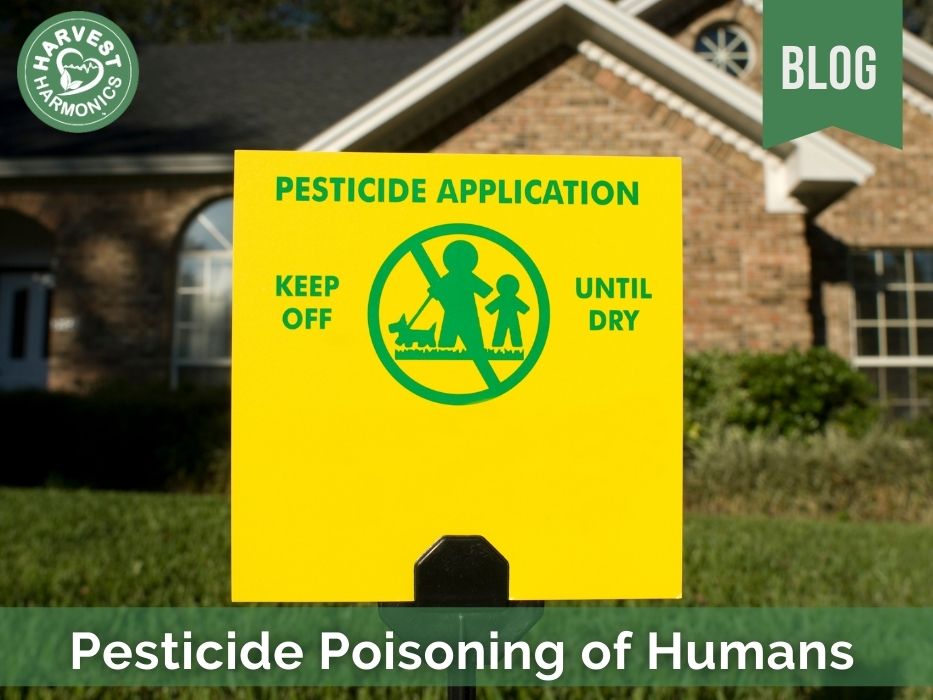
Pesticide Poisoning of Humans
The estimates of poisonings and deaths made by the World Health Organization (WHO) and the United Nations over three decades dramatically reflect the growing tragedy that, for millions of people, particularly in southern countries, has signified the agricultural production model known as the green revolution. This crisis is deepening under the so-called new green revolution, based on pesticide-resistant transgenic seeds, such as Monsanto’s Roundup Ready (RR) varieties resistant to glyphosate; or toxin producers such as Bt varieties (they produce the Bacillus thuringiensis toxin), which pose environmental and health risks and increase the use of pesticides. The United States Environmental Protection Agency (EPA) declared Bt varieties as pesticides, therefore, they require the same rigor in the evaluation of toxicity and environmental impacts.
In 1972, the WHO estimated that half a million poisonings occurred in the world caused by pesticides each year, with more than 5,000 deaths (approximately 1% mortality), suggesting that developing countries suffered half of these poisonings and three-quarters of deaths. In the following decade, the WHO estimated more than three million poisonings with a probable mortality of 1%, while the United Nations considered that the rate of poisoning in southern countries could be 13 times higher than in industrialized countries, for which declared pesticides as one of the biggest problems in the world. By 1991 it was estimated that 25 million agricultural workers would suffer an episode of pesticide poisoning and that these would be responsible for 437,000 cases of cancer and 400,000 involuntary deaths. Additionally, the latest estimates indicate that 99% of poisonings and deaths occur in developing nations.
It is very difficult to calculate poisonings in Colombia and Latin America because most cases are not registered. For example, in Central America, where during 1999-2001 there were 400,000 intoxicated persons per year, the underreporting was estimated at about 98%. But while the thousands of people poisoned or killed in the countryside may go unnoticed, major accidents during transport or in factories and human tragedies due to mass poisoning are proof that these powerful poisons are there, licensed by governments and threatening permanently to rural and urban inhabitants. As an example, in addition to the Bhopal tragedy, the following may be mentioned:
· More than 35 years ago, on November 25, 1967, dozens of children were poisoned and died in Chiquinquirá, Colombia, when they ate bread made with wheat flour contaminated with Folidol (paration) for breakfast.
· Deaths caused by Syngenta’s paraquat herbicide (Gramoxone, Gramuron, Agroquat, Gramafin, Actinic, Calliquat) in the world are estimated in the thousands.
· In Costa Rica, since 1980 and for two decades, it has been reported as the leading cause of poisonings and responsible for a third of the deaths of hundreds of agricultural workers.
Those guilty for the millions of intoxicated and the thousands of deaths must be pointed out, and the debt accumulated by such great suffering must be paid.
In Colombia, 1,370 commercial pesticides formulated based on 400 active ingredients have a sales license. Of these, 28 active ingredients (123 commercial formulations) belong to WHO categories Ia and Ib and are among the most widely used pesticides in Colombia and Latin America. There is a call for the prohibition and non-use of these pesticides.
By Arantza Castro
Press Room
Agricultural Technology for Farmers in India
Harvest HarmonicsTM New Biophysics Agricultural Technology For Farmers In India The Agricultural Biophysics technology, 20…
1
Organic Earth Tech, OETI, Launches One Million Dollar Technology
After hurricanes Maria and Irma, Puertorrican farmers are yet to receive the needed aid to recover. Organic Earth Tech…
0
Produce More From Less
CEO Harvest Harmonics Frank Arlia speaking at Replenish. Earth interview by Tia Kansara – London Climate Action Week. How…
0
Replenish Earth and the Environmental RE Talk Series
Replenish Earth and the environmental RE Talk Series event that reunited the top thinkers in the world Harvest Harmonics…
1

Who is Mainly Responsible for Greenhouse Gas Emissions?
Where and from which sectors does the greatest amount of Greenhouse Gases, a key factor in Climate Change, originate? Report by Eng. Gustavo Oliverio of the Producir Conservando Foundation.
It is surprising to see how the issue of greenhouse gas (GHG) emissions linked to climate change and a direct connection with livestock activities, meat or dairy production is raised on a recurring basis.
There are numerous sources of information on the participation of those responsible for emissions, both where they originate (countries or regions) and the different sectors that cause them. It clearly emerges from them that between 78-85% of GHG emissions are produced in China, the rest of Asia, the EU, the USA and India. There is also agreement that, globally, sectors related to energy and the use of fossil fuels are responsible for 72-75%. In addition, 15-18% of total emissions are attributed to agriculture, forestry and land use, and the latest Food and Agriculture Organization Corporate Statistical Database (FAOSTAT) data indicates 12-13% of emissions as being of agricultural origin.
Livestock activities represent, according to these sources, between 4 and 5%.
What is not clarified in almost any of the sources is that the agricultural sector fixes or sequesters carbon (CO2) through photosynthesis carried out by crops, pastures and forestry and with this it obtains a Carbon Balance that, in the case of Argentina, for example, works carried out by Eng. E. Viglizzo show a positive Carbon Balance, that is, the fixation or sequestration of CO2 is greater than the emissions that are produced.
“It is remarkable to see in many cases a tremendous vision of the environmental issue that leads to extreme positions where everything is mixed and confused.” Eng. Gustavo Oliverio.
It is clear that we must work hard to reduce emissions and increase CO2 sequestration in all sectors and implement the necessary practices to obtain a positive Carbon Balance, but it is necessary to differentiate the ill-intentioned indications about agricultural activities and livestock that are responsible for causing climate change for strategic and commercial reasons of activities that compete in the food market.
Dr. Jason Clay (WWF) raised a few years ago the need to make changes in production systems to achieve global food security for 10 billion inhabitants in 2050 and be Sustainable. Sustainable intensification and greater efficiency in all production processes will be the key to achieving this.
Source: World Recourses Institute 2020
By Arantza Castro
Press Room
Agricultural Technology for Farmers in India
Harvest HarmonicsTM New Biophysics Agricultural Technology For Farmers In India The Agricultural Biophysics technology, 20…
1
Organic Earth Tech, OETI, Launches One Million Dollar Technology
After hurricanes Maria and Irma, Puertorrican farmers are yet to receive the needed aid to recover. Organic Earth Tech…
0
Produce More From Less
CEO Harvest Harmonics Frank Arlia speaking at Replenish. Earth interview by Tia Kansara – London Climate Action Week. How…
0
Replenish Earth and the Environmental RE Talk Series
Replenish Earth and the environmental RE Talk Series event that reunited the top thinkers in the world Harvest Harmonics…
1