

Nutrient Recycling: Practical Aspects

The soil system is complex, dynamic and diverse, in it are mineral substances, gaseous elements and a large number of living and decomposing plant and animal organisms.
Soil organic matter influences almost all important properties that contribute to soil quality, despite representing a small percentage of the weight of most soils (1% – 6%). The quality and quantity of organic matter can change the properties of the soil, a good management of it can improve the structure and availability of nutrients, as well as increase its biological diversity.
In the soil, organic matter can be differentiated into three phases:
1. Raw organic matter, made up of fresh and partially decomposed animal and vegetable waste.
2. Humus in formation, made up of advanced decomposition products of organic waste and products re-synthesized by microorganisms (carbohydrates, organic acids, nitrogenous compounds, lignins, etc.)
3. Stable humus, formed by strictly humic substances (humic acids, fulvic acids, humins, etc.), most of them bound to the mineral part of the soil.
It is important to point out that, although the terms organic matter and humus are often used interchangeably, they have different meanings; humus is the fraction of organic matter in the soil totally decomposed and relatively stable with great influence on the chemical properties of the soil.
Most of the nutrients that plants need for their growth and development are absorbed by the roots directly from the soil solution, (fraction of the water present in the soil that is available to be absorbed by the roots and that contains dissolved elements in assimilable forms); with the exception of carbon (C), hydrogen (H) and oxygen (O) that plants take mainly from CO2 from air and water and which account for more than 90% of their dry weight. For carbon, oxygen and nitrogen, the atmosphere functions as the main reservoir, while for phosphorus, calcium, sulfur, potassium, as well as for most micronutrients, the soil is the main reservoir.
Not all the nutrients present in the soil, or in the atmosphere are in a form available to plants, some must be transformed before they can be used, an example of this is atmospheric nitrogen, which through the biological fixation process carried out by some microorganisms it can be incorporated into the biomass of plants or into the soil. During the mineralization process, it can be converted to assimilable forms (ammonium and nitrate) by the roots and later returned to the atmosphere by different routes, as reflected in the geochemical cycle of this element.
Press Room

Agricultural Technology for Farmers in India
Harvest HarmonicsTM New Biophysics Agricultural Technology For Farmers In India The Agricultural Biophysics technology, 20…
1

Organic Earth Tech, OETI, Launches One Million Dollar Technology
After hurricanes Maria and Irma, Puertorrican farmers are yet to receive the needed aid to recover. Organic Earth Tech…
0

Produce More From Less
CEO Harvest Harmonics Frank Arlia speaking at Replenish. Earth interview by Tia Kansara – London Climate Action Week. How…
0
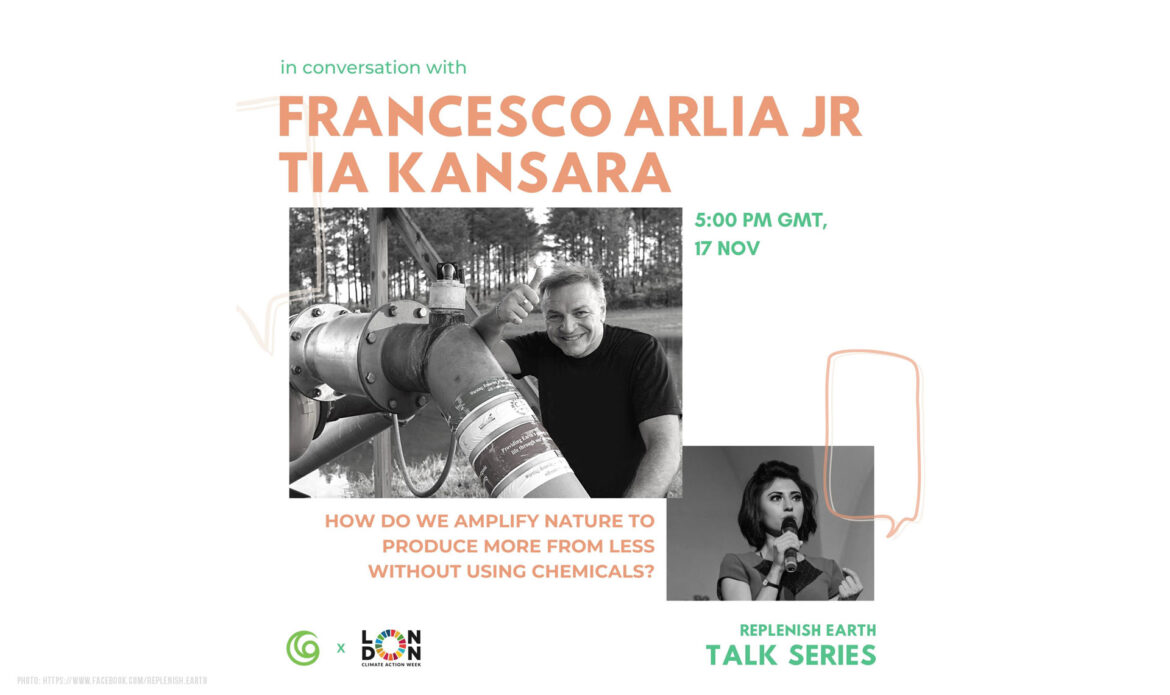
Replenish Earth and the Environmental RE Talk Series
Replenish Earth and the environmental RE Talk Series event that reunited the top thinkers in the world Harvest Harmonics…
1
Related Posts
2024 India Just Agriculture Frank’s presentation
https://www.youtube.com/watch?v=g_4vdtXBVsA&ab_channel=HarvestHarmonics The Crop Booster by Kyminasi Plants consists of...

Water II
"There is nothing softer and weaker than water, and yet there is nothing better for attacking hard and strong things." The Chinese sage Lao...

Water
The Memory of Water The reason the Kyminasi Plant Booster works so well is because water has memory, and we can use this to relay our...