Pesticide Poisoning of Humans

The estimates of poisonings and deaths made by the World Health Organization (WHO) and the United Nations over three decades dramatically reflect the growing tragedy that, for millions of people, particularly in southern countries, has signified the agricultural production model known as the green revolution. This crisis is deepening under the so-called new green revolution, based on pesticide-resistant transgenic seeds, such as Monsanto’s Roundup Ready (RR) varieties resistant to glyphosate; or toxin producers such as Bt varieties (they produce the Bacillus thuringiensis toxin), which pose environmental and health risks and increase the use of pesticides. The United States Environmental Protection Agency (EPA) declared Bt varieties as pesticides, therefore, they require the same rigor in the evaluation of toxicity and environmental impacts.
In 1972, the WHO estimated that half a million poisonings occurred in the world caused by pesticides each year, with more than 5,000 deaths (approximately 1% mortality), suggesting that developing countries suffered half of these poisonings and three-quarters of deaths. In the following decade, the WHO estimated more than three million poisonings with a probable mortality of 1%, while the United Nations considered that the rate of poisoning in southern countries could be 13 times higher than in industrialized countries, for which declared pesticides as one of the biggest problems in the world. By 1991 it was estimated that 25 million agricultural workers would suffer an episode of pesticide poisoning and that these would be responsible for 437,000 cases of cancer and 400,000 involuntary deaths. Additionally, the latest estimates indicate that 99% of poisonings and deaths occur in developing nations.
It is very difficult to calculate poisonings in Colombia and Latin America because most cases are not registered. For example, in Central America, where during 1999-2001 there were 400,000 intoxicated persons per year, the underreporting was estimated at about 98%. But while the thousands of people poisoned or killed in the countryside may go unnoticed, major accidents during transport or in factories and human tragedies due to mass poisoning are proof that these powerful poisons are there, licensed by governments and threatening permanently to rural and urban inhabitants. As an example, in addition to the Bhopal tragedy, the following may be mentioned:
· More than 35 years ago, on November 25, 1967, dozens of children were poisoned and died in Chiquinquirá, Colombia, when they ate bread made with wheat flour contaminated with Folidol (paration) for breakfast.
· Deaths caused by Syngenta’s paraquat herbicide (Gramoxone, Gramuron, Agroquat, Gramafin, Actinic, Calliquat) in the world are estimated in the thousands.
· In Costa Rica, since 1980 and for two decades, it has been reported as the leading cause of poisonings and responsible for a third of the deaths of hundreds of agricultural workers.
Those guilty for the millions of intoxicated and the thousands of deaths must be pointed out, and the debt accumulated by such great suffering must be paid.
In Colombia, 1,370 commercial pesticides formulated based on 400 active ingredients have a sales license. Of these, 28 active ingredients (123 commercial formulations) belong to WHO categories Ia and Ib and are among the most widely used pesticides in Colombia and Latin America. There is a call for the prohibition and non-use of these pesticides.
By Arantza Castro
Press Room
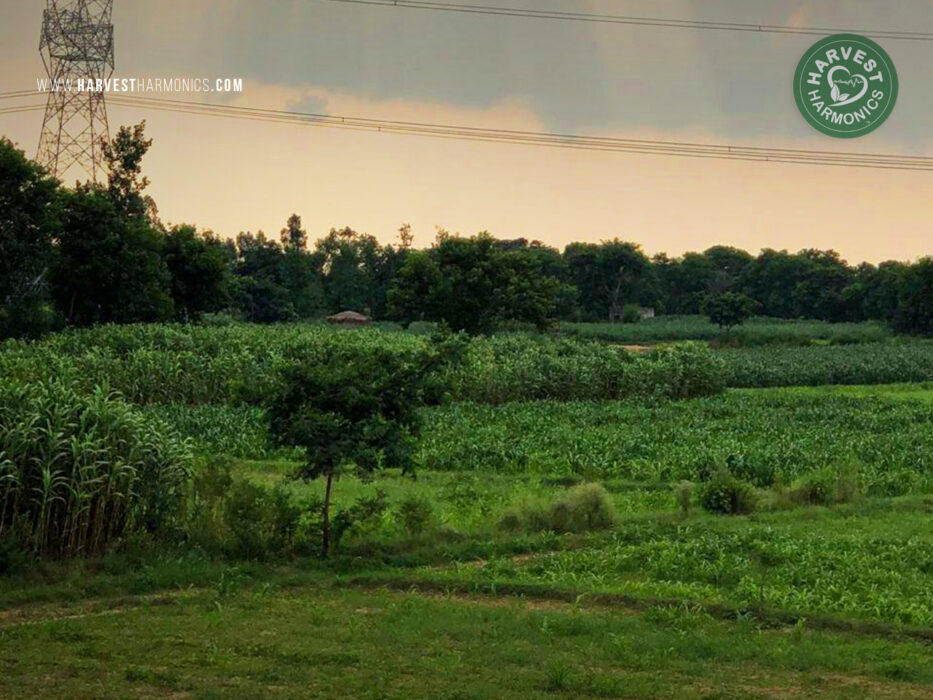
Agricultural Technology for Farmers in India
Harvest HarmonicsTM New Biophysics Agricultural Technology For Farmers In India The Agricultural Biophysics technology, 20…
1
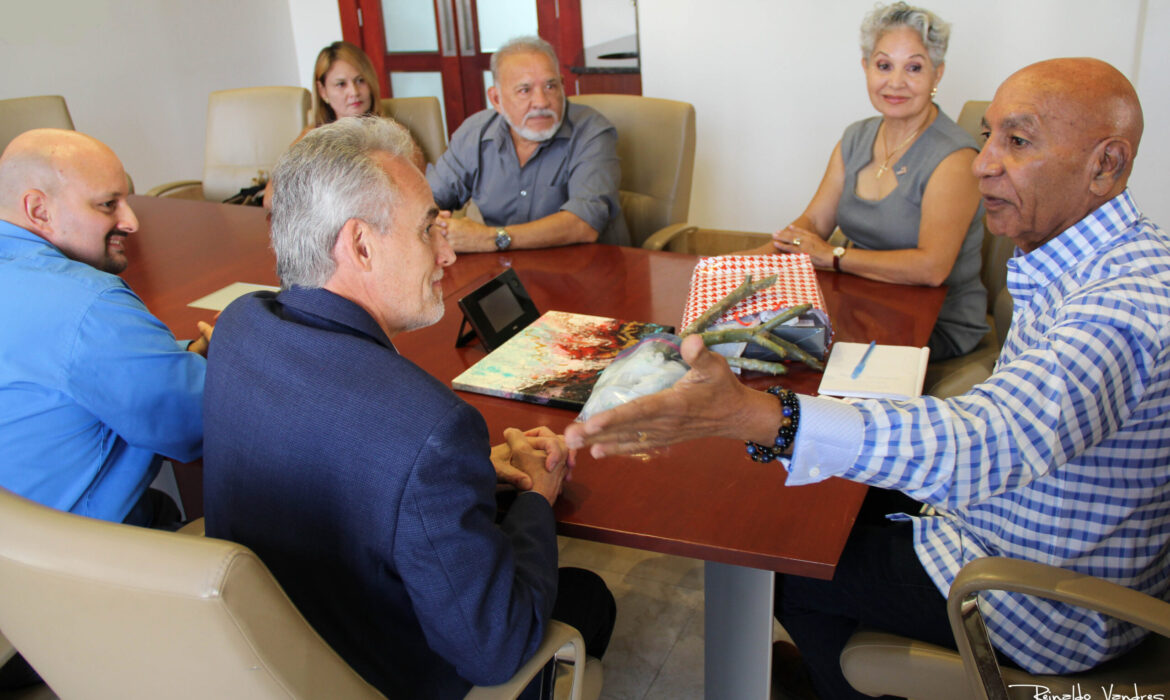
Organic Earth Tech, OETI, Launches One Million Dollar Technology
After hurricanes Maria and Irma, Puertorrican farmers are yet to receive the needed aid to recover. Organic Earth Tech…
0
Produce More From Less
CEO Harvest Harmonics Frank Arlia speaking at Replenish. Earth interview by Tia Kansara – London Climate Action Week. How…
0
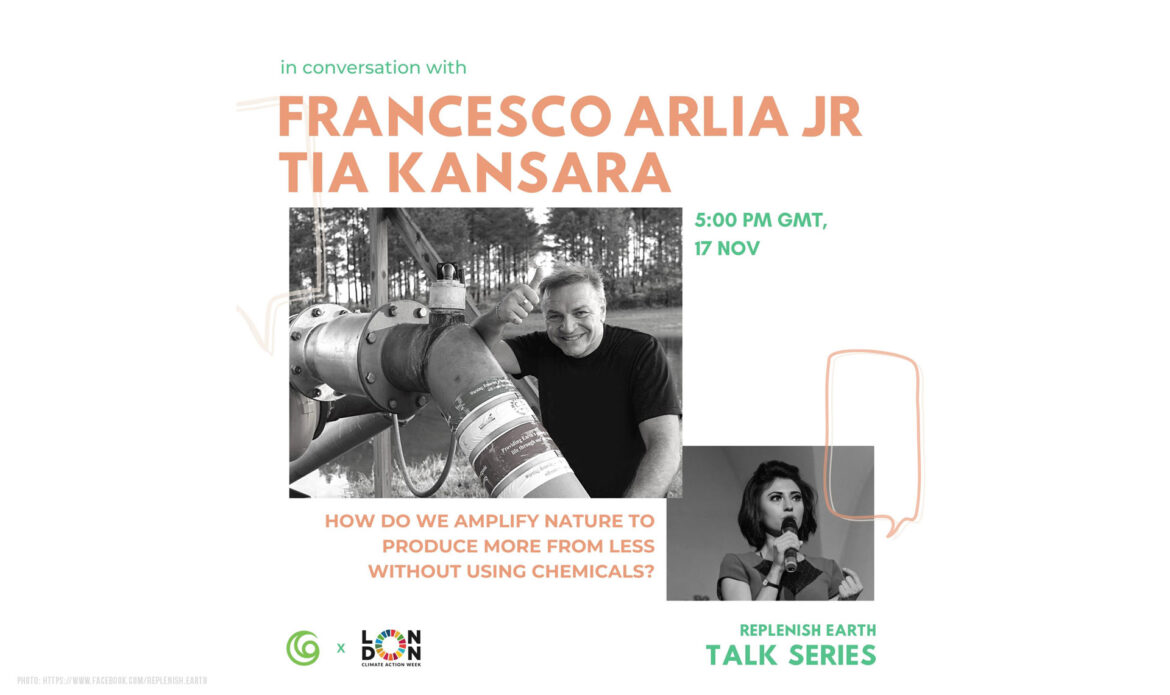
Replenish Earth and the Environmental RE Talk Series
Replenish Earth and the environmental RE Talk Series event that reunited the top thinkers in the world Harvest Harmonics…
1
Related Posts
2024 India Just Agriculture Frank’s presentation
https://www.youtube.com/watch?v=g_4vdtXBVsA&ab_channel=HarvestHarmonics The Crop Booster by Kyminasi Plants consists of...
Water II
"There is nothing softer and weaker than water, and yet there is nothing better for attacking hard and strong things." The Chinese sage Lao...

Water
The Memory of Water The reason the Kyminasi Plant Booster works so well is because water has memory, and we can use this to relay our...