7 Organic Nitrogen Sources – Alternatives to Urea
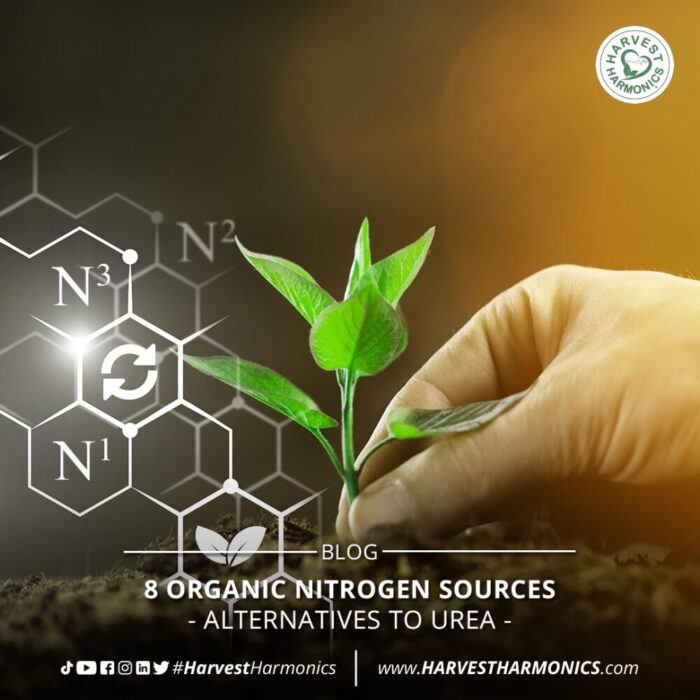
The fertilizer crisis is a fact, especially nitrogenous fertilizers, particularly Urea, which is one of the most widely used chemical fertilizers worldwide. This product provides 46% Nitrogen, which is why it is widely used for most crops. However, with its imminent shortage and high prices, farmers are forced to look for alternatives, and the current trend is to look for organic sources of nitrogen, which we list below.
- Vegetable products. This group includes several products such as alfalfa flour (4% N), cottonseed flour (6% N), corn gluten (9% N) and soy flour (7% N), are examples of products vegetables that are sometimes used as organic sources of nitrogen in organic agriculture. These materials require bacterial mineralization to make nitrogen available, which is generally rapid.
- Blood meal. Derived from cattle slaughter residues. Powdered dried blood contains 12% nitrogen, rapidly mineralizing to forms readily available to the plant. This product is completely soluble in water and suitable for distribution through the irrigation system. It projects to be one of the main organic sources of nitrogen.
- Guano. Guano (8 to 12% N) is obtained from deposits of excrement and remains of seabirds on extremely arid coasts. Guano was an important source of nitrogen until before the industrial processes for the manufacture of fertilizers were developed. Currently many deposits have been depleted. Guano is also collected from caves where large populations of bats are found. This material can be applied in either solid or liquid form.
- Feather meal. This input contains 14 to 16% nitrogen. Feathers contain about 70-90% protein and much of the feathers are in the form of non-soluble keratin, requiring processing with pressurized steam and animal enzymes. Therefore, feather nitrogen is initially unavailable, but is rapidly mineralized under favorable conditions. Feather meal pellets make it easy to apply and handle. Feathers that are not processed have a slower nitrogen release and may be a good option if you can overcome the difficulty of applying evenly.
- Fish meal and fish emulsions. Inedible fish are used, which are cooked and pressed to separate the solid fraction from the liquid. The solid fraction is used as fishmeal (10 to 14% N) for fertilizers or cattle feed. From the liquid fraction the oil is separated and from what remains a fish emulsion is made, which contains 2 to 5% nitrogen. Its mineralization is usually rapid, since at normal summer temperatures more than half of the organic nitrogen is mineralized within the first 2 weeks after its application.
- Seaweed. They are products derived from marine algae such as those of the Ascophyllum genus . Dried seaweed is about 1% nitrogen and 2% potassium. In addition, they usually have small amounts of other useful nutrients for plants. Due to their low nutrient content, these products are generally used on high-value crops for reasons other than nutrition.
- Sodium nitrate. This fertilizer can be used in organic agriculture, with the restriction of only using it during the most critical stages of nitrogen demand in crops and not to satisfy the total demand. In the US its use is limited to no more than 20% of the crop’s nitrogen requirement and even other countries restrict its use. This highly soluble fertilizer contains 16% nitrogen.
If you would like to know more about our technology, contact us on our website www.harvestharmonics.com
Press Room
Agricultural Technology for Farmers in India
Harvest HarmonicsTM New Biophysics Agricultural Technology For Farmers In India The Agricultural Biophysics technology, 20…
1

Organic Earth Tech, OETI, Launches One Million Dollar Technology
After hurricanes Maria and Irma, Puertorrican farmers are yet to receive the needed aid to recover. Organic Earth Tech…
0
Produce More From Less
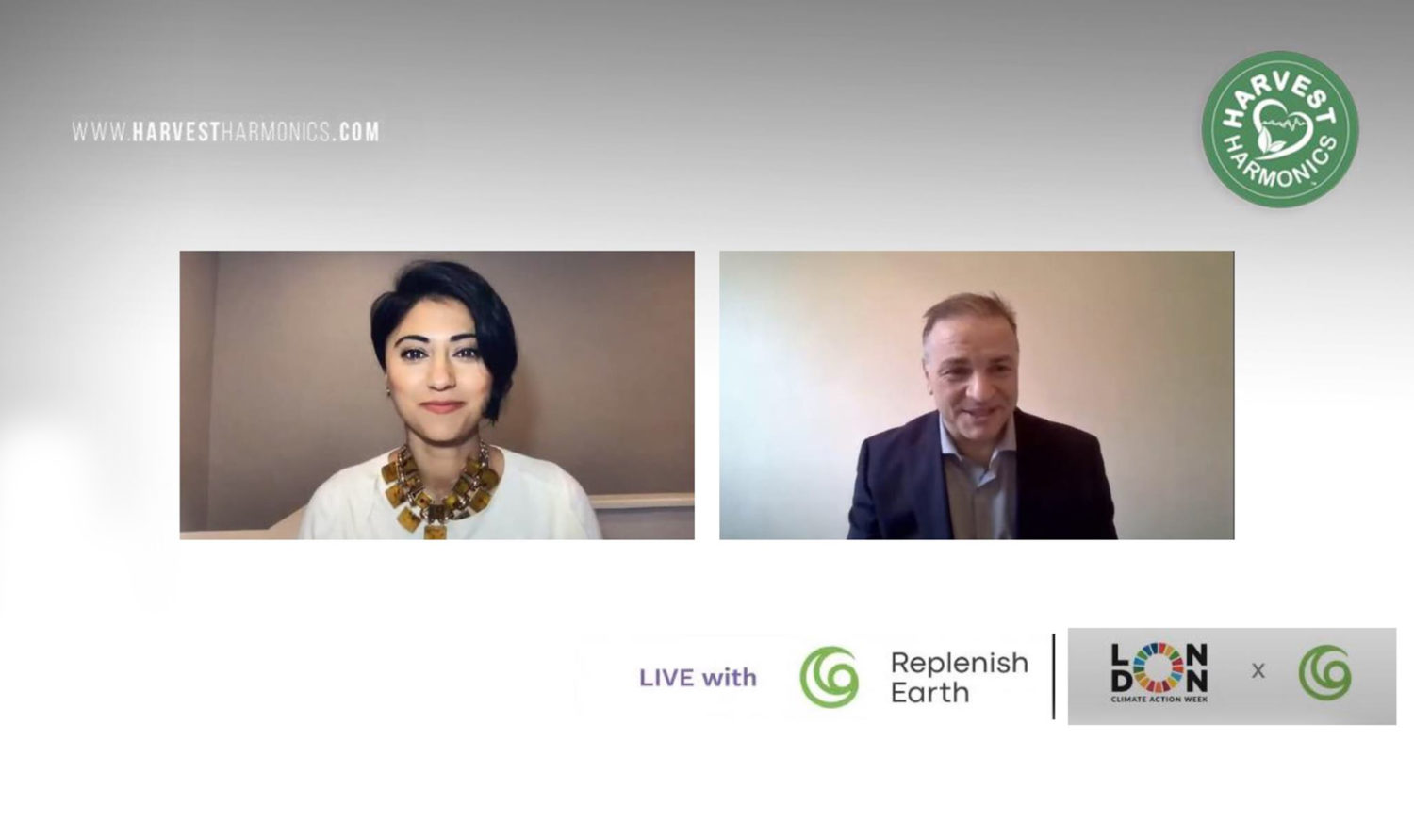
CEO Harvest Harmonics Frank Arlia speaking at Replenish. Earth interview by Tia Kansara – London Climate Action Week. How…
0
Replenish Earth and the Environmental RE Talk Series
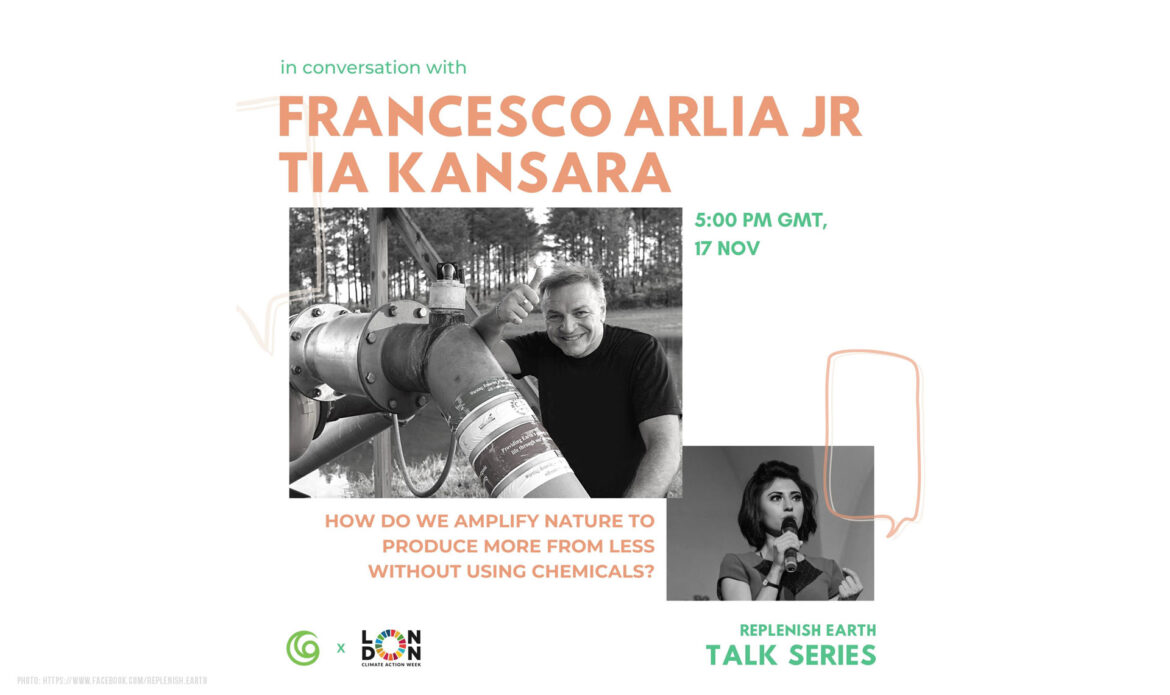
Replenish Earth and the environmental RE Talk Series event that reunited the top thinkers in the world Harvest Harmonics…
1
Related Posts
2024 India Just Agriculture Frank’s presentation
https://www.youtube.com/watch?v=g_4vdtXBVsA&ab_channel=HarvestHarmonics The Crop Booster by Kyminasi Plants consists of...
Water II
"There is nothing softer and weaker than water, and yet there is nothing better for attacking hard and strong things." The Chinese sage Lao...

Water
The Memory of Water The reason the Kyminasi Plant Booster works so well is because water has memory, and we can use this to relay our...