Sustainable Agriculture… Is it worth it ?
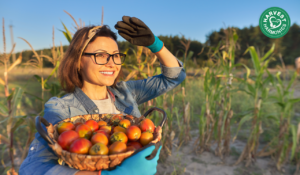
In this issue, we will be talking about the transition to Sustainable Agriculture.
Sustainable agriculture is a way of farming that protects the environment and ensures the long-term productivity of the land. It’s a system of farming that seeks to balance the needs of people, the environment, and future generations.
There are many challenges to transitioning to sustainable agriculture, including:
- Lack of knowledge: Many farmers may not be familiar with sustainable farming practices. They may not know where to get started or how to make the transition.
- Cost: Sustainable farming practices can be more expensive than conventional farming practices. This is because they often require more labor and time.
Despite the challenges, there are many reasons why it is important to transition to sustainable agriculture. These include:
- Environmental benefits: Sustainable agriculture practices can help to reduce pollution, improve soil health, and conserve water.
- Economic benefits: Sustainable agriculture can be more profitable in the long run. This is because healthy soils are more productive and less prone to pests and diseases.
- Social benefits: Sustainable agriculture can help to improve the health of farmers and their families. It can also help to create jobs in rural communities.
If you are a farmer who is considering transitioning to sustainable agriculture, at Harvest Harmonics we will help you achieve that. Our technology boosts the natural ability of the plants. So they are able to absorb more out of the environment which means less inputs, less cost and the same or better yields.
We believe that sustainable agriculture is the future of farming, and we are committed to helping farmers make the transition.
If you are interested in learning more about how Harvest Harmonics can help you, please visit our website or contact us today.
I hope this information is helpful. Thanks for your time.
Wishing you a bountiful harvest,
Jim Kurtz
Senior Farm Consultant
Harvest Harmonics
Sustainable Agriculture: The Answer to the Challenges of the 21st Century

In this issue, we will discuss the challenges farmers face today.
We know that farming is a tough business, and we want to offer you our support.
As you know, farmers are facing a number of challenges, including:
- Climate change: Climate change is making it more difficult for farmers to grow crops. Extreme weather events, such as droughts and floods, are becoming more common and wreaking havoc on farms.
- Rising input costs: The cost of inputs, such as fertilizers and pesticides, is rising. This is making it more difficult for farmers to make a profit.
- Declining crop yields: Crop yields are declining in many parts of the world. This is due to a number of factors, including climate change, soil degradation, and pests and diseases.
These challenges are making it difficult for farmers to make a living. In some cases, they are even forcing farmers to leave farming altogether.
I know that these challenges can be overwhelming, but I want to assure you that you’re not alone. There are people who care about your success, and we’re here to help.
Harvest Harmonics is committed to helping farmers overcome these challenges. We believe that sustainable agriculture is the key to the future of farming.
We’ve listened to farmers and understand their challenges. We’re committed to providing farmers with the tools and resources they need to succeed. We believe that sustainable agriculture is the future of farming, and we’re here to help farmers make the transition.
We know that you’re busy, so we’ve made it easy for you to learn more about how we can help. You can visit our website or contact us today to learn more about THE CROP BOOSTER™.
Thank you for your time. We look forward to hearing from you soon.
If you are interested in learning more about how Harvest Harmonics can help you, please visit our website or contact us today.
I hope this newsletter has been helpful. We’re here to support you in any way we can. Please don’t hesitate to reach out if you have any questions.
Wishing you a bountiful harvest,
Jim Kurtz
Senior Farm Consultant
Harvest Harmonics
The Truth About Conventional Farming: It’s Not as Safe as You Think
In this issue, we will be talking about the dangers of conventional farming.
Conventional farming is a way of farming that uses synthetic fertilizers, pesticides, and herbicides to increase yields.
However, these chemicals can have serious negative consequences for the environment, human health, and the long-term productivity of the land.
Here are some of the dangers of conventional farming:
- Pollution: Synthetic fertilizers and pesticides can pollute our waterways and air. This can lead to health problems for people and animals, and it can also harm aquatic ecosystems.
- Erosion: Conventional farming practices can lead to soil erosion. This can reduce the fertility of the soil and make it more difficult to grow crops.
- Resistance to pests and diseases: Overuse of pesticides can lead to resistance in pests and diseases. This means that the pesticides become less effective, and farmers need to use more and more chemicals to control pests and diseases.
- Harm to human health: Exposure to synthetic chemicals can have serious health consequences for farmers, their families, and consumers. These chemicals have been linked to cancer, reproductive problems, neurological disorders, and other health problems.
- Degradation of the soil: Conventional farming practices can degrade the soil. This means that the soil loses its ability to hold water and nutrients, and it becomes less productive.
If you’re concerned about the dangers of conventional farming, there are many things you can do to reduce your exposure to these chemicals. You can:
- Use organic fertilizers and pesticides. Organic fertilizers and pesticides are made from natural materials, and they are less harmful to the environment and human health.
- Practice crop rotation. Crop rotation helps to reduce the build-up of pests and diseases in the soil.
- Use cover crops. Cover crops help to protect the soil from erosion and improve its fertility.
- Use Harvest Harmonics Crop Booster to enhance plant growth and yield while reducing the use of fertilizer, pesticides and water.
- Support sustainable farming practices. When you buy food that is produced using sustainable farming practices, you are helping to reduce the demand for conventional agricultural products.
I hope this information is helpful. Thanks for your time.
Wishing you a bountiful harvest,
Jim Kurtz
Senior Farm Consultant
Harvest Harmonics
The Truth About Conventional Farming: It’s Not as Safe as You Think
In this issue, we will be talking about the dangers of conventional farming.
Conventional farming is a way of farming that uses synthetic fertilizers, pesticides, and herbicides to increase yields.
However, these chemicals can have serious negative consequences for the environment, human health, and the long-term productivity of the land.
Here are some of the dangers of conventional farming:
- Pollution: Synthetic fertilizers and pesticides can pollute our waterways and air. This can lead to health problems for people and animals, and it can also harm aquatic ecosystems.
- Erosion: Conventional farming practices can lead to soil erosion. This can reduce the fertility of the soil and make it more difficult to grow crops.
- Resistance to pests and diseases: Overuse of pesticides can lead to resistance in pests and diseases. This means that the pesticides become less effective, and farmers need to use more and more chemicals to control pests and diseases.
- Harm to human health: Exposure to synthetic chemicals can have serious health consequences for farmers, their families, and consumers. These chemicals have been linked to cancer, reproductive problems, neurological disorders, and other health problems.
- Degradation of the soil: Conventional farming practices can degrade the soil. This means that the soil loses its ability to hold water and nutrients, and it becomes less productive.
If you’re concerned about the dangers of conventional farming, there are many things you can do to reduce your exposure to these chemicals. You can:
- Use organic fertilizers and pesticides. Organic fertilizers and pesticides are made from natural materials, and they are less harmful to the environment and human health.
- Practice crop rotation. Crop rotation helps to reduce the build-up of pests and diseases in the soil.
- Use cover crops. Cover crops help to protect the soil from erosion and improve its fertility.
- Use Harvest Harmonics Crop Booster to enhance plant growth and yield while reducing the use of fertilizer, pesticides and water.
- Support sustainable farming practices. When you buy food that is produced using sustainable farming practices, you are helping to reduce the demand for conventional agricultural products.
I hope this information is helpful. Thanks for your time.
Wishing you a bountiful harvest,
Jim Kurtz
Senior Farm Consultant
Harvest Harmonics
The Rise of Sustainable Farming: Join the Movement

In this issue, we will be talking about the benefits of sustainable farming
Sustainable farming is a way of farming that protects the environment and ensures the long-term productivity of the land. It’s a system of farming that seeks to balance the needs of people, the environment, and future generations.
I haven’t talked to a farmer yet that hasn’t agreed with the IDEA of sustainable farming. The problem seems to be How can they transition from the conventional methods of farming to more sustainable methods.
This is where Harvest Harmonics Crop Booster fits in.
This attachment to an irrigation system works to keep yields high while being able to reduce fertilizer, pesticides and water usage. Based on a new bio-physical breakthroughs and the centuries old laws of harmonics, this is the Bridge between conventional farming and sustainable.
There are many benefits to sustainable farming which Crop Booster can help you achieve these on your farm, including:
- Improved soil health: Sustainable farming practices help to improve soil health by reducing erosion, increasing organic matter, and promoting biodiversity. Crop Booster increase the energy production of the plants so they exchange more food with the microbial colonies in the soil. This leads to healthier soil which then leads to healthier crops.
- Reduced pollution: Sustainable farming practices help to reduce pollution by using less water, fertilizers, and pesticides. Crop Booster increases and enhances the plants natural ability to protect themselves from insects. It also while increases root growth and absorption of water and nutrients through of the root system. Plants continue to grow and produce more yields while using less water, fertilizer and pesticides. This protects our waterways and air quality.
- Increased biodiversity: Sustainable farming practices help to increase biodiversity by providing habitat for pollinators, beneficial insects, and other wildlife. This helps to maintain a healthy ecosystem.
- Higher yields: Sustainable farming practices can actually lead to higher yields in the long run. This is because healthy soils are more productive and less prone to pests and diseases. Crop Booster has been field proven to increase yields in field tests,
- Economic benefits: Sustainable farming can also be economically beneficial for farmers. By reducing their input costs and increasing their yields, farmers can make more money.
If you’re interested in learning more about sustainable farming and how Crop Booster can help, please do not hesitate to contact us with any questions or comments.
I hope this information is helpful. Thanks for your time.
Wishing you a bountiful harvest,
Jim Kurtz
Senior Farm Consultant
Harvest Harmonics
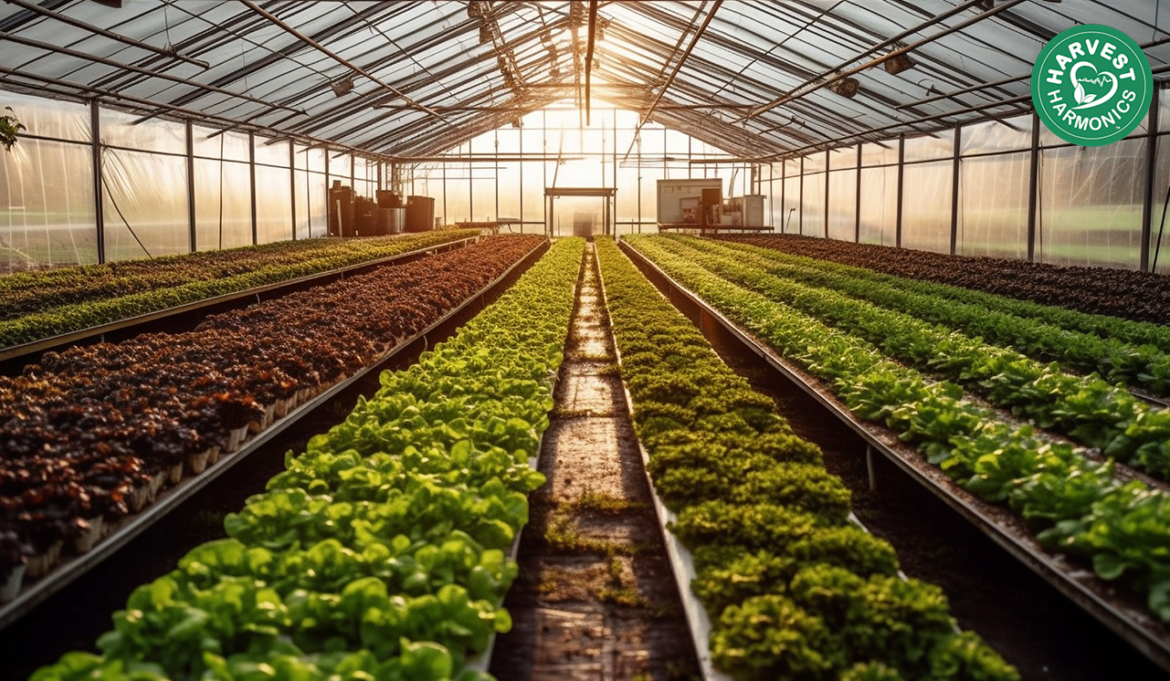
Unleash the Power of Biophysics: A Farmer’s Guide to Science Secrets
In this issue, we will be exploring the field of biophysics and its potential applications in agriculture.
Why Bio-Physics?
Biophysics is the study of how physical laws and phenomena interact with living organisms. The study of bio-physics and it application in the treatment of human ailments has resulted in some “miraculous’“ results.
Crop Booster is bringing those same miraculous results to the the field of agriculture.
By understanding the physical laws and principles, we can gain valuable insights into the inner workings of plants and animals. Allowing us to optimize agricultural processes and enhance productivity.
Here are a few key concepts in biophysics that are relevant to agriculture:
- Photosynthesis: This is the process by which plants convert sunlight into energy. By understanding photosynthesis, we can learn to enhance the plants natural ability. The result is improved crop yields and plants more resilient to environmental stresses.
- Membrane transport: Similarly, understanding the process by which nutrients and other substances move across cell membranes. we can learn how to improve the delivery of nutrients to crops and how to protect plants from pests and diseases.
- Soil physics: This is the study of the physical properties of soil. By understanding soil physics and the organic relationship between plants and microbial activity in the soil, we can learn how to improve soil drainage, water retention, and nutrient availability. The above three, Photosynthesis, membrane transport and and soil physics are all three of the most important areas addressed by the 3000 frequencies contained in the Crop Booster technology. But that’s not the only application of bio-physics to Agriculture.
- Biomechanics: This is the study of the physical forces that act on living organisms. By understanding biomechanics, we can learn how to design agricultural machinery that is more efficient and less damaging to crops.
We, at Harvest Harmonics , believe that biophysics including but not limited to our Crop Booster technology, has the potential to revolutionize agriculture. By applying the principles of biophysics, we can and have developed more sustainable and productive agricultural practices.
We hope you will join us on this journey of discovery. We will be sharing more information about biophysics and its applications in agriculture in future newsletters.
In the meantime, please do not hesitate to contact us with any questions or comments.
Wishing you a bountiful harvest,
Jim Kurtz
Senior Farm Consultant
Harnessing Biophysics: Revolutionizing Plant Biology for Enhanced Function

Introduction:
The field of biophysics combines the principles of physicsand biology to understand and manipulate biological processes. In recent years,biophysics has emerged as a powerful tool for unraveling the intricatemechanisms underlying plant biology. By leveraging the principles ofbiophysics, scientists can unlock novel approaches to improve biologicalfunctions in plants, ultimately leading to enhanced growth, productivity, andresilience in agricultural systems. In this article, we delve into the excitingrealm of biophysics and explore how it can revolutionize plant biology tooptimize plant function.
Understanding Energy Transfer in Photosynthesis:
Photosynthesis is the fundamental process through whichplants convert sunlight into chemical energy. Biophysics provides a deeperunderstanding of the intricate energy transfer mechanisms in photosynthesis,allowing scientists to decipher how plants efficiently harvest and utilizelight energy. This knowledge has paved the way for the development ofartificial photosynthetic systems, such as photovoltaic cells, that mimicnatural processes and harness solar energy more efficiently.
Engineering Plant Cell Walls for Improved Biomass:
The structural integrity of plant cell walls is crucial forgrowth, development, and resistance to various stresses. Biophysical techniquesenable researchers to study the composition and organization of cell wallcomponents at a molecular level. By manipulating the biophysical properties ofcell wall components, scientists can enhance the digestibility of plant biomassfor biofuel production, improve resistance to pests and pathogens, andfacilitate nutrient uptake for enhanced growth.
Unraveling Mechanisms of Plant Sensing and Signaling:
Plants possess intricate mechanisms to sense and respond totheir environment. Biophysics aids in unraveling the mechanisms by which plantsperceive stimuli, such as light, temperature, and gravity. Understanding thebiophysical aspects of plant sensory systems helps in designing innovativeapproaches to modulate plant responses. For example, researchers havesuccessfully used light-responsive genetic circuits to precisely control gene expressionin plants, opening up new possibilities for improving crop traits.
Enhancing Water Use Efficiency:
Water scarcity is a significant challenge in agriculture.Biophysics offers insights into the physiological processes involved in watertransport within plants, enabling researchers to devise strategies forenhancing water use efficiency. By understanding how plants regulate watermovement through specialized tissues, such as xylem and phloem, scientists candevelop drought-tolerant crops through genetic engineering or targeted breedingprograms.
Optimizing Photosynthetic Efficiency:
Biophysical research provides valuable insights into thefactors limiting photosynthetic efficiency, such as photorespiration andelectron transport chain inefficiencies. By uncovering the underlyingbiophysical mechanisms, scientists can develop strategies to optimizephotosynthesis, such as engineering enzymes to enhance CO2 fixation or reducingenergy wastage. These advancements hold immense potential for boosting cropyields and mitigating the impact of climate change on agriculturalproductivity.
Conclusion:
Biophysics has emerged as a transformative field that holdsgreat promise for improving biological function in plants. By integrating theprinciples of physics and biology, scientists can unravel the intricatemechanisms underlying plant biology and develop innovative strategies tooptimize plant growth, productivity, and resilience. From understandingphotosynthesis to engineering plant cell walls, manipulating plant sensorysystems, enhancing water use efficiency, and optimizing photosyntheticefficiency, biophysics offers a plethora of opportunities to revolutionizeagriculture and address global food security challenges. As our understandingof biophysical processes in plants continues to expand, so too will our abilityto engineer crops with improved traits, fostering sustainable agriculture and agreener future.
Harvest Harmonics’ Crop Booster™ is a breakthrough product inthe field of Bio-Physics. After 30 years of research and multiple trials, CropBooster has been proving itself in the field, farm after farm. Its time you jumpedon the bandwagon. After all , it is the Future of Farming!
Embracing Innovation for Sustainable Farming
In our ongoing pursuit of sustainable farming practices, you to exploring new techniques and embracing innovative technologies. In this edition, we will delve into the importance of experimenting with novel approaches and highlight three effective methods: the use of cover crops, integrated pest management, and the adoption of cutting-edge technologies like Harvest Harmonics Crop Booster.
Cover Crops:
Cover crops have proven to be a valuable tool in sustainable farming. By planting cover crops during crop downtime, we can protect the soil from erosion, enhance its fertility, and suppress weed growth. These crops act as a natural barrier against pests, reducing the reliance on chemical interventions. Furthermore, cover crops promote water retention and provide habitat for beneficial insects, fostering a balanced ecosystem on our farms.
Integrated Pest Management (IPM):
Integrated Pest Management is a holistic approach that minimizes synthetic pesticide usage by incorporating environmentally friendly pest control methods. By carefully monitoring pest populations and their impact on our crops, we can implement specific and rm to beneficial organisms and the environment. This integrated approach ensures long-term sustainable pest management and reduces chemical dependency.
Adoption of Cutting-Edge Technologies:
One exciting avenue for sustainable farming lies in the adoption of advanced technologies. The Harvest Harmonics Crop Booster is a prime example. This innovative technology optimizes plant performance, allowing crops to operate at their maximum capacity. By maintaining the natural abilities of plants to carry out photosynthesis and exchange nutrients with the soil, the Crop Booster enhances crop health and productivity. This technology harnesses the power of harmonically balanced plant frequencies and targeted nutrient delivery systems, maximizing yields while reducing resource consumption.
By integrating Harvest Harmonics Crop Booster into our farming practices, we can achieve remarkable results in terms of crop quality and quantity. This technology has the potential to revolutionize the way we cultivate crops, reducing the environmental impact and increasing the overall sustainability of our farms.
As you venture into thesenew techniques and technologies, it is crucial to approach them with an openmind and a willingness to adapt. Remember, what works for one farm may not besuitable for another. Careful observation, evaluation, and collaboration withexperts and fellow farmers will help us understand how to effectively implementthese innovations in our specific farming systems.
In Summary, continue yourjourney towards sustainable farming by embracing change, exploring newtechniques, and adopting cutting-edge technologies. By doing so, we ensure thehealth of our crops, the vitality of our farms, and the preservation of ourplanet for generations to come.
Happy Farming!
Evaluating Current Farming Practices
Evaluating Current Practices
Farming practices have a significant impact on the environment, and as climate change continues to affect our planet, it is important to evaluate our current farming practices to transition to more sustainable practices. Sustainable farming practices are essential to reduce the negative impact of agriculture on the environment and ensure long-term food security.
Evaluating current farming practices is the first step towards transitioning to sustainable farming practices. It involves assessing the use of fertilizers, pesticides, water, and energy, as well as the impact on soil health and biodiversity. Here are some steps to evaluate current farming practices:
Soil Health
Soil health assessment: Soil is the foundation of farming, and healthy soil is essential for sustainable agriculture. The first step towards evaluating current farming practices is to assess the soil health. This can be done by conducting soil tests to determine the nutrient content, pH, and organic matter levels. By analyzing the soil, farmers can identify the deficiencies and make appropriate changes to their farming practices.
Fertilizers
Assessing fertilizer use: Fertilizers are essential for plant growth, but their overuse can lead to nutrient pollution, which is harmful to the environment. Farmers should assess the amount and type of fertilizers they use to ensure that they are not over-applying or applying the wrong type of fertilizer. By using organic fertilizers or adopting conservation practices such as cover cropping, farmers can reduce their reliance on synthetic fertilizers.
Pesticides
Pesticide use assessment: Pesticides are used to control pests and diseases in crops, but their overuse can lead to environmental and health problems. Farmers should assess their pesticide use to ensure that they are using them appropriately and safely. Integrated Pest Management (IPM) practices can help reduce pesticide use by using a combination of methods such as crop rotation, pest-resistant crops, and biological control and Crop Booster.
Water use assessment
Water use assessment: Agriculture accounts for a significant portion of global water use, and as water becomes increasingly scarce, it is essential to assess the amount of water used in farming. Farmers should evaluate their water use and identify ways to conserve water, such as by using efficient irrigation systems or planting drought-resistant crops.
Energy use assessment
Energy use assessment: Agriculture also accounts for a significant amount of energy use, which contributes to greenhouse gas emissions. Farmers should assess their energy use and identify ways to reduce energy consumption, such as by using renewable energy sources or implementing energy-efficient practices.
Biodiversity assessment
Biodiversity assessment: Farming practices can have a significant impact on biodiversity, and farmers should assess the impact of their farming practices on the environment. By adopting practices such as crop rotation, cover cropping, and conservation tillage, farmers can improve biodiversity on their farms.
Crop Booster™
Crop Booster powered by Kymanasi Plant is a valuable tool that can aid in evaluating current farming practices in various areas. This technology has shown a significant positive impact on soil health and can help reduce the usage of fertilizers, pesticides, and water required to produce healthy crops.
Moreover, it does not require additional energy and is not harmful to livestock. By incorporating Crop Booster into their farming practices, farmers can transition from conventional chemical-based farming to more sustainable agricultural practices.
Conclusion
In conclusion, evaluating current farming practices is essential to transition towards more sustainable farming practices. By assessing soil health, fertilizer and pesticide use, water and energy use, and the impact on biodiversity, farmers can identify areas for improvement and implement more sustainable practices.
To guarantee long-term food security and minimize the adverse environmental effects of agriculture, it is crucial to adopt sustainable farming practices. In this regard, Crop Booster serves as an indispensable tool for enhancing the sustainability of your farm.