logologo

  • Home
  • Products and Services
    • Crop Booster
    • Bio Booster
    • Yield Max Program
    • Book Pre-Sale Portal
  • Results
  • The Science
    • TRL9
    • Science Documents
    • Science Documents (Spanish)
  • About Us
    • Certifications and Awards Page
    • Our Blog
    • Harvest Harmonics Video Gallery
    • Frequently Asked Questions
  • Contact Us
    • Booking
    • We Are Hiring
    • Internships
  • Cart
2026-08-27by SebastianUncategorized

How the Crop Booster Works: Biophysics Through Irrigation | Harvest Harmonics

The Science of the Crop Booster

How Does the Crop Booster Work?

Instead of adding another chemical input to irrigation water, the Kyminasi® Crop Booster™ takes a different approach: programmed biophysical signals delivered through the farm's existing irrigation system.

Explore the Science → View Crop Results
Harvest Harmonics Kyminasi Crop Booster irrigation technology Irrigation Based Crop Technology
Explore Article What It Is How It Works The Researcher Field Evidence
A Different Agricultural Approach

What If Irrigation Water Could Carry More Than Water?

Modern agriculture depends heavily on what moves through a farm's irrigation system. Water carries nutrients, fertilizers and other inputs directly into the growing environment.

The Kyminasi Crop Booster was developed around a different idea.

Rather than introducing another material into the water, Harvest Harmonics describes the Crop Booster as an irrigation based system that uses programmed biophysical signals designed to interact with natural processes already taking place within plants.

The system connects directly to irrigation infrastructure, allowing irrigation water to become the medium through which those programmed signals are distributed across the irrigated area.

Understanding how the Crop Booster works begins with understanding that distinction: the technology is designed around physical signaling rather than adding another chemical formulation to the irrigation stream.

Understanding the System

What Is the Crop Booster?

The Crop Booster is a ready to use agricultural system built around custom microtransmitters containing thousands of programmed signals. The system is configured for the irrigation requirements of each farm and is designed for integration into soil grown agricultural operations.

3,000+

Programmed Signals

Harvest Harmonics describes the Crop Booster microtransmitters as containing more than 3,000 programmed signals developed for agricultural applications.

0

External Power During Operation

The system is activated as irrigation water moves through the installation and is designed to operate without an external electrical power source.

20+

Years Applied to Plant Research

The agricultural technology grew from decades of independent biophysics research associated with inventor Fulvio Balmelli.

The Core Principle

Water Becomes the Delivery Medium

According to Harvest Harmonics, irrigation water passing through the Crop Booster carries the programmed signaling effect throughout the irrigated area. The intended interaction happens without mixing an additional Crop Booster chemical product into the water.

01

Crop Booster

Custom microtransmitters contain the programmed signal set used by the system.

→
02

Irrigation Water

Water passes through the Crop Booster before continuing through the farm's irrigation infrastructure.

→
03

Crop Response

The programmed signals are designed to interact with natural biological processes associated with plant performance.

Understanding the Terminology

Where Biophysics Enters the Conversation

Biophysics examines biological systems through concepts and methods drawn from physics. Harvest Harmonics uses this framework to describe the scientific principle behind the Crop Booster.

The company describes the technology as using precisely programmed physical signals intended to interact with biological functions in plants.

This is a different mechanism from conventional fertilizers, biological inoculants or crop protection products, where a material is physically applied to the plant or growing environment.

Important scientific context: descriptions of programmed biophysical or quantum signals on this page reflect the mechanism proposed by the technology developer and Harvest Harmonics. The practical agricultural evidence should therefore be evaluated through the measurements, controlled trials and field results produced for the technology.

Plant Performance

Which Plant Processes Is the System Designed to Support?

Harvest Harmonics identifies several major areas of plant performance associated with the programmed signaling system.

01

Photosynthesis

The technology is designed to support the natural processes involved in plant energy production and photosynthetic activity.

02

Nutrient Uptake

Crop Booster research examines changes associated with nutrient utilization and plant development.

03

Water Management

Water use, soil moisture behavior and plant response to water availability are recurring areas of Crop Booster field research.

04

Crop Performance

Field studies evaluate measurable outcomes such as plant development, fruit characteristics, yield and other crop specific indicators.

Fulvio Balmelli researcher and inventor behind Kyminasi Crop Booster technology
20+ Years Biophysics Research Applied to Agriculture
The Research Behind the Technology

Fulvio
Balmelli

The Crop Booster grew from the independent biophysics research of Fulvio Balmelli, the inventor associated with the Kyminasi technology.

Balmelli's research explored the use of physical signaling across biological systems before the technology was adapted specifically for agriculture.

The agricultural objective became straightforward: create a system capable of integrating into irrigation infrastructure while working with biological processes already taking place within the plant.

That research ultimately became the foundation of the Kyminasi Crop Booster used in Harvest Harmonics farm and university trials today.

★
International Recognition · 2024 International Best Researcher of the Year in Agriculture Asia Research Awards · ISTRA 2024
View Recognition →
Published profiles associated with Balmelli report that he was nominated for the 2024 Nobel Peace Prize. The Norwegian Nobel Committee does not publicly confirm contemporary nominees and keeps nomination records confidential for 50 years, so this claim cannot presently be independently verified through the Nobel Committee.
From Research to Agriculture

The Real Test Happens in the Field

A proposed mechanism is only part of the Crop Booster story.

For farmers, the more practical question is: what happens when the system is installed on an actual farm?

Harvest Harmonics has built its science program around measuring those outcomes through university studies, commercial farms and crop specific field trials.

Depending on the study, researchers have examined yield, plant growth, fruit weight, root development, chlorophyll related measurements, water behavior, crop quality and other indicators.

Not every case measures the same variables, which is why each result should be evaluated according to its individual trial design, controls, measurements and limitations.

Explore Real Crop Results → View Science Documents
Practical Agriculture

Why the Delivery Method Matters to Farmers

Beyond the science itself, the way a farm technology integrates into day to day operations can determine whether it is practical at commercial scale.

01

Uses Existing Irrigation

The system is designed to integrate into farm irrigation infrastructure rather than requiring an entirely separate application process.

02

No External Power During Operation

Once configured and installed, the technology activates through water movement and does not require an external electrical supply to operate.

03

Designed Around the Farm

Crop Booster systems are configured according to irrigation requirements rather than treated as a single standard installation for every farm.

Explore Crop Booster for Your Farm

Science Matters. So Does What Happens on Your Farm.

Every farm has different crops, irrigation, soil conditions, acreage and production goals. Harvest Harmonics can review your operation and help determine whether the Crop Booster should be evaluated for your farm.

Book a Free Farm Consultation → Explore Crop Booster See the Results
Continue Exploring

Harvest Harmonics Science and Crop Resources

The Science

Explore the scientific program and the principles behind Harvest Harmonics crop technology.

Explore Science →

Crop Booster

Learn about the Crop Booster system, installation and agricultural applications.

Explore Crop Booster →

Crop Results

Review crop specific field studies and documented results from farms around the world.

View Results →

Farm Consultation

Discuss your crops, irrigation system and production goals with Harvest Harmonics.

Book Consultation →

Science and Source Transparency

Descriptions of the Crop Booster mechanism, programmed signals and intended biological interactions reflect information supplied by Harvest Harmonics and the technology developer. Agricultural outcomes should be evaluated using the design and measured results of individual field and university studies. Fulvio Balmelli's 2024 International Best Researcher of the Year in Agriculture recognition is published by the Asia Research Awards. Published profiles also report a Nobel Peace Prize nomination; current Nobel nominations are confidential under the Nobel Committee's 50 year secrecy rules and therefore cannot presently be independently confirmed through the Nobel Committee.

Read More
2026-08-24by SebastianBlogHarvest Harmonics

Strawberry Production 2026: Industry News & Crop Results | Harvest Harmonics

Strawberry Production · Crop Results · 2026 Industry Update

Strawberry Production in 2026 Is Getting Interesting

Bigger berries. Shorter harvest intervals. Weather pressure. New artificial intelligence tools. Billions of dollars in U.S. production. Strawberry farming is changing quickly, and Harvest Harmonics has field results worth examining.

Explore Strawberry Results → Book a Free Farm Consultation
Strawberry Industry Data Updated August 2026
Explore Article U.S. Production Strawberry Results 2026 Industry News Free Consultation
Strawberry Farming

Strawberry Farming Is a High Speed Business

A strawberry looks simple in a clamshell. Producing it is anything but simple.

Strawberry growers are balancing fruit size, flavor, firmness, appearance, labor, disease pressure, weather, market timing and harvest frequency, often all at once.

That makes strawberries especially interesting when evaluating agricultural technology. A change in harvest timing, berry caliber, crop survival or production rate can matter throughout an entire growing season.

Harvest Harmonics has documented strawberry field cases in Ecuador, Peru and Botswana, including data involving fruit diameter, harvest timing, production rate and field observations under environmental stress.

At the same time, the strawberry industry is experiencing changes in production timing, disease management, forecasting technology and international competition.

U.S. Strawberry Production

A Multi Billion Dollar Crop

The latest USDA National Agricultural Statistics Service data show the scale of strawberry production in the United States, with California dominating national volume and Florida maintaining an important role in winter strawberry production.

31.27M
CWT Produced in the United States
USDA NASS · 2025 Production
3.127B
Pounds of Strawberries
Converted from USDA 31.27 Million CWT
62,000
Harvested U.S. Acres
USDA NASS · 2025
$4.398B
Value of Utilized Production
USDA NASS · 2025
California and Florida Strawberries

California Leads. Florida Owns an Important Winter Window.

California produced approximately 27.7 million cwt of strawberries in 2025, while Florida produced approximately 3.57 million cwt.

Based on USDA reported national production, California represented approximately 88.6% of the two state total, while Florida represented approximately 11.4%.

The states serve different seasonal roles. California supplies a large share of national strawberries, while Florida's production is particularly important during the winter market.

U.S. Strawberry Production
California vs. Florida
California 88.6%
Florida 11.4%
Calculated from USDA NASS reported 2025 production: California 27.7 million cwt and Florida 3.57 million cwt.
Harvest Harmonics Strawberry Crop Results

From Industry Data to the Field

Harvest Harmonics strawberry cases do not all measure the same variables. Some include numerical measurements. Others use historical comparisons or source reported field observations. Keeping those distinctions clear provides a more accurate picture of what each strawberry case actually shows.

Strawberry crop field at ESPOCH in Riobamba Ecuador using Harvest Harmonics Crop Booster
ESPOCH · Riobamba, Ecuador · July 2021

Strawberry Harvest Interval Reduced From 15 Days to 8

At the Polytechnic School of Chimborazo experimental strawberry fields, historical production was reported at 38 metric tons per hectare every 15 days.

With Kyminasi Plants Crop Booster, production was reported at 40 metric tons per hectare every 8 days.

The quantity produced per reported harvest increased by approximately 5.26%, while the harvest interval shortened by approximately 46.67%.

Reported Strawberry Harvest Interval
15 Historical Days
→
8 Crop Booster Days
+97.37% Calculated Production Rate Compared With Historical Field Performance

When normalized by time, the historical production rate is approximately 2.53 metric tons per hectare per day, compared with 5.00 metric tons per hectare per day under the reported Crop Booster performance.

That calculates to a 97.37% higher production rate.

This comparison uses historical field performance rather than a simultaneous untreated control plot.

Additional Strawberry Results

Berry Size, Development and Field Stress

Other Harvest Harmonics strawberry field cases document differences in berry diameter, fruit development and survival under reported frost conditions.

43 millimeter Crop Booster strawberry compared with 35 millimeter control strawberry in Peru
Peru · Strawberry Case · 2022

43 mm vs. 35 mm Strawberry Diameter

A documented Crop Booster strawberry measured 43 millimeters in diameter compared with 35 millimeters for the control comparison.

The 8 millimeter difference calculates to approximately 22.86% relative to the 35 millimeter comparison.

35
Control mm
43
Crop Booster mm
+22.86% Relative Diameter Difference

The case does not provide treatment wide average diameter, sample size or statistical analysis. The result therefore represents documented berry measurements rather than an average size increase across the crop.

Control strawberry plants compared with Crop Booster strawberry plants in Quito Ecuador
Quito, Ecuador · July to August 2020

Earlier Strawberry Fruiting Reported

Crop Booster was installed on a strawberry field in Quito on July 15, 2020.

Approximately one month later, treated plants were reported to begin producing fruit earlier than the comparison field.

The treated foliage was also described as brighter green and healthier looking during reported intense heat conditions.

~1 Month Time to Reported Visible Differences

Exact fruiting dates, yield values and quantitative plant health measurements were not supplied for this field observation.

Harvest Harmonics strawberry field observation at Motswedi Tlhomelang Farm in Botswana
Botswana · June 2023

Strawberry Plants Survived Reported Frost Conditions

At Motswedi Tlhomelang Farm, Crop Booster strawberry plants were reported to survive during observed frost conditions.

Comparison plants were reported to die within two weeks following transplanting.

Treated plants were also described as producing larger fruit and broader, deeper green foliage than in previous years.

Survived Crop Booster Plants · Field Observation

Temperature records, exact plant counts, replication and statistical analysis were not supplied. This case documents survival under the reported field conditions and should not be interpreted as a generalized frost resistance claim.

Strawberry Industry News · 2026

What Strawberry Growers Are Watching

Strawberry growers are operating in a market increasingly influenced by weather, market timing, disease forecasting, digital agriculture and international competition.

California · 2026 Season

California Entered 2026 With an Early, Heavy Crop

University of California agricultural market analysis reported that California's 2026 strawberry season moved unusually early following warm and dry winter conditions.

The California Strawberry Commission projection cited in the analysis placed 2026 acreage at approximately 43,726 acres, about 2% above the prior season projection.

Source: University of California Agriculture and Natural Resources · June 2026
California · August 2026

Moisture Continues to Challenge Strawberry Quality

Produce industry reporting in August described persistent moisture around Watsonville and Salinas that interrupted harvesting and affected strawberry quality.

The report placed the Watsonville and Salinas season late in its production cycle as the industry moved toward fall supply.

Source: FreshPlaza · August 2026
Florida · June 2026

Artificial Intelligence Is Entering Strawberry Forecasting

University of Florida researchers are developing tools that combine drone imagery and computer vision to identify individual strawberry plants and count fruit, flowers and runners.

The tools were evaluated during the 2025 to 2026 season on research and commercial farms.

Researchers reported encouraging plant segmentation while noting that fruit and flower counting still requires refinement.

Source: University of Florida IFAS · June 2026
Florida · Disease Management

Disease Forecasting Is Becoming More Important

University of Florida research has highlighted how wet conditions can increase strawberry disease pressure, including Botrytis fruit rot.

Disease alert systems are being developed to help growers improve timing of management decisions instead of relying only on fixed application schedules.

Source: University of Florida IFAS
United States and Mexico · 2026

Winter Strawberry Trade Is Under Increased Scrutiny

Trade proceedings involving fresh winter strawberries imported from Mexico have become another issue affecting the North American strawberry market.

Preliminary findings remain part of an ongoing process and should not be interpreted as the final outcome of the proceeding.

Source: U.S. trade proceedings and Reuters reporting · 2026
Florida · USDA Production Data

Florida Remains a Major Winter Strawberry Producer

USDA reported approximately 17,000 harvested strawberry acres in Florida for 2025, producing approximately 3.57 million cwt.

The reported value of utilized Florida strawberry production was approximately $714.5 million.

Source: USDA National Agricultural Statistics Service · 2025
Strawberry Farming Performance

Strawberry Growers Are Chasing More Than Yield

The current strawberry industry makes one thing clear: performance cannot be judged by one production number alone.

Growers care about production per acre, harvest timing, berry size, marketable quality, labor efficiency, disease pressure and consistency.

An early crop can create opportunity and market pressure at the same time. Larger fruit matters only if overall crop performance remains strong. Faster harvest cycles can be valuable, but the underlying production figures must be interpreted correctly.

That is why Harvest Harmonics presents strawberry results case by case, separating numerical measurements from historical comparisons and field observations.

Strawberry and Berry Growers

Let's Talk About Your Strawberry Operation

Every strawberry farm has different varieties, weather conditions, acreage, irrigation, harvest windows and production challenges.

Harvest Harmonics offers a free farm consultation to discuss your operation and evaluate whether Crop Booster, Bio Booster or another Harvest Harmonics approach deserves a closer look.

Book a Free Farm Consultation → View Strawberry Crop Results Explore Crop Booster Explore Bio Booster
Harvest Harmonics Resources

Explore More Crop Results and Farming Technology

Continue exploring Harvest Harmonics strawberry results, agricultural case studies and crop technologies.

Strawberry Results

Explore the full collection of Harvest Harmonics strawberry field cases.

View Strawberry Results →

Agricultural Case Studies

Explore crop results across different countries, climates and agricultural systems.

Explore Crop Results →

Crop Booster

Learn more about the Harvest Harmonics Crop Booster technology used in these strawberry field cases.

Explore Crop Booster →

Free Farm Consultation

Talk with Harvest Harmonics about your strawberry, berry or specialty crop operation.

Book Your Consultation →

Data and Source Transparency

Harvest Harmonics Strawberry Results

Harvest Harmonics strawberry results in this article are presented according to the available underlying measurements and field descriptions. Numerical percentages were calculated from the reported source values where appropriate.

Strawberry Industry Information

Industry context was reviewed using USDA National Agricultural Statistics Service, University of California agricultural research and market reporting, University of Florida IFAS research and current strawberry industry reporting.

Harvest Harmonics strawberry case results reflect individual farms, crops, growing conditions and reporting methods. Some results are direct measurements, while others use historical field comparisons or field observations. Results can vary and should not be interpreted as a guarantee of identical outcomes. The ESPOCH production comparison uses historical field performance rather than a simultaneous untreated control. The Peru fruit size result represents documented berry measurements and not treatment wide average fruit diameter. The Botswana case documents survival under the reported conditions of that individual field case and does not establish generalized frost resistance. Industry information reflects data and reporting available during 2026 and can change as new production data and market information become available.

Read More
2026-08-21by SebastianBlogHarvest Harmonics

Bio Booster: Beneficial Bacteria + Mycorrhizae for Modern Farming | Harvest Harmonics

Home / Blog / Beneficial Bacteria & Mycorrhizae
Biological Farming · Harvest Harmonics Bio Booster

Beneficial Bacteria + Mycorrhizae for Modern Farming

Beneficial bacteria and mycorrhizae are part of the microscopic biological system surrounding every crop. Harvest Harmonics Bio Booster brings both together in an ultra-concentrated agricultural formulation designed to support root biology, soil activity and the wider crop environment.

Explore Bio Booster → Book a Free Farm Consultation

Biological performance varies according to crop, climate, soil, irrigation, application method and farm management. Results are not guaranteed.

Harvest Harmonics Bio Booster with beneficial bacteria and mycorrhizae for agricultural crops
1.43 Trillion Bacterial CFU Per Gram
1.89 Million Mycorrhizal Propagules Per Gram
1.43 × 10¹²
Beneficial Bacterial CFU Per Gram
+
1.89 Million
Mycorrhizal Propagules Per Gram
Root + Leaf
Biological Crop Support
Beneficial Microorganisms in Agriculture

The Living Biology Behind Every Crop

A farm is much more than plants growing in soil. Beneath and around every crop is an active biological environment involving roots, water, nutrients, bacteria, fungi and organic compounds.

Beneficial bacteria can participate in processes occurring around roots, nutrients, soil and plant surfaces. At the same time, mycorrhizal fungi can associate with compatible roots and develop microscopic networks extending into the surrounding soil.

Bio Booster was developed around this broader biological view of agriculture.

Rather than building a formulation around one isolated organism, Harvest Harmonics combines beneficial bacteria and mycorrhizae in a concentrated biological community designed around complementary roles throughout the crop environment.

The result is a different way of looking at crop biology: plant + roots + soil + microorganisms as one connected system.

Farmers who want the full product specifications can visit the Harvest Harmonics Bio Booster page .

Agricultural Microbes

Different Microorganisms. Different Biological Roles.

Soil biology is not built around one microorganism doing everything. Different organisms occupy different parts of the plant and soil environment. Bio Booster is designed around a community approach, bringing beneficial bacteria and mycorrhizal fungi together within one agricultural formulation.

BIO BOOSTER Connected Biological Community
Nutrient Cycling
Root Interaction
Mycorrhizal Network
Soil Biology
Plant Surfaces
01

Beneficial Bacteria

Different bacterial groups can participate in biological cycling, nutrient transformation, root interactions and microbial activity around plant surfaces.

02

Mycorrhizal Fungi

Mycorrhizal fungi colonize compatible roots and can develop microscopic filaments called hyphae that extend into surrounding soil.

03

Rhizosphere Biology

The rhizosphere is the active zone around plant roots where soil, nutrients, water and microorganisms continuously interact.

04

Plant-Surface Biology

Leaves and stems also contain microbial environments that form part of the larger biological system surrounding a crop.

Soil Biology · Root Biology · Plant Biology

From the Phyllosphere to the Rhizosphere and Beyond

Biological farming extends beyond the visible plant. Bio Booster is designed around interconnected biological environments above the soil, around the roots and within the microscopic fungal network extending into surrounding soil.

01

Phyllosphere

The phyllosphere is the biological environment found across leaves, stems and other above-ground plant surfaces. These surfaces form part of the wider microbial ecosystem surrounding a crop.

Above the Soil
02

Rhizosphere

The rhizosphere is the biologically active zone surrounding plant roots where roots, microorganisms, soil particles, nutrients and water interact.

Around the Roots
03

Mycorrhizal Network

Mycorrhizal fungi associated with compatible roots can develop microscopic hyphae extending into soil spaces beyond the immediate root surface.

Beyond the Root Surface
Ultra-Concentrated Agricultural Biology

1.43 Trillion Bacterial CFU Per Gram

Bio Booster is an ultra-concentrated biological formulation containing approximately 1.43 trillion bacterial CFU per gram.

The same formulation also contains approximately 1.89 million mycorrhizal propagules per gram.

These figures represent two separate biological measurements. Bacterial populations are expressed as colony-forming units, or CFU, while mycorrhizae are expressed as propagules.

Keeping these units separate matters because bacteria and mycorrhizal fungi are different biological components with different forms and functions.

Powerful Biology
Starts at the
Microscopic Level.
1.43T Bacterial CFU Per Gram
1.89M Mycorrhizal Propagules Per Gram
Biological Farming Programs

Bringing Beneficial Microbes Into the Farm Program

Every farm has different crops, soils, irrigation systems and biological conditions. For that reason, Harvest Harmonics builds Bio Booster recommendations around the actual operation rather than applying one universal program to every farm.

01

Root-Zone Programs

Bio Booster can be incorporated into agricultural programs designed to introduce beneficial biological activity into the environment surrounding the root system.

02

Foliar Programs

Biological programs can also include plant surfaces, extending the biological strategy beyond the soil and root environment.

03

Commercial Agriculture

Program recommendations can be developed around crop type, acreage, irrigation, application method and the specific goals of a commercial farm.

Harvest Harmonics Crop Solutions

Bio Booster + Crop Booster: Two Different Approaches

Harvest Harmonics offers two distinct agricultural technologies. Bio Booster focuses on the biological community surrounding the crop, while the Kyminasi Crop Booster works through irrigation as a separate bio-energetic crop-performance technology.

Harvest Harmonics Bio Booster beneficial bacteria and mycorrhizal fungi product

Bio Booster

A concentrated agricultural biological formulation combining beneficial bacteria and mycorrhizal fungi to support the living crop environment.

Explore Bio Booster →
+
Harvest Harmonics Kyminasi Crop Booster agricultural irrigation technology

Kyminasi Crop Booster

A separate bio-energetic technology designed to work through the farm's irrigation system to support crop performance.

Explore Crop Booster →
Biological Agriculture Is Farm Specific

Every Farm Has Its Own Biological Environment

Beneficial microorganisms operate inside complex agricultural systems.

Crop variety, climate, soil conditions, irrigation, existing microbial populations, nutrient programs, application timing and farm management can all influence biological performance.

That is why Bio Booster is not positioned as a one-size-fits-all farm recommendation.

Start with the crop. Understand the farm. Then build the biological program.

Free Farm Consultation

Build a Biological Program Around Your Farm

Tell Harvest Harmonics what you grow, your acreage, irrigation system and the challenges affecting your operation.

Our team can review your farm and help determine whether Bio Booster, Crop Booster or a combined strategy is appropriate for further discussion.

Book a Free Farm Consultation → Explore Bio Booster View All Crop Solutions
Agricultural Resources

Explore More Harvest Harmonics Technology and Results

Continue exploring biological agriculture, crop-performance technology, field results and Harvest Harmonics science.

Bio Booster

View Bio Booster specifications, biological components and current farm-program information.

Explore Bio Booster →

Agricultural Case Studies

Explore Harvest Harmonics crop results and field cases from farms around the world.

Explore Results →

Crop Booster

Learn about Harvest Harmonics' irrigation-based Kyminasi Crop Booster technology.

Explore Crop Booster →

The Science

Explore the scientific concepts and research supporting Harvest Harmonics agricultural technologies.

Explore the Science →

Bio Booster specifications and product information reflect current Harvest Harmonics materials. Agricultural performance can vary according to crop, climate, soil, irrigation, application method, existing biological conditions, farm management and other growing factors. Product performance and financial outcomes are not guaranteed. Bacterial CFU and mycorrhizal propagules are separate biological measurements and are presented separately.

Read More
2026-08-16by SebastianBlogHarvest Harmonics

U.S. Farm Case Studies: Real Crop Results | Harvest Harmonics

Harvest Harmonics · U.S. Agricultural Case Studies

U.S. Farm Case Studies: Real Results From the Field

From Washington tomatoes and peppers to California plums and dragon fruit, Harvest Harmonics field cases show how Crop Booster has been evaluated across different U.S. crops, climates and farming conditions.

Explore All Crop Results → Book a Free Farm Consultation →

Results in this article come from individual field cases. Crops, conditions, management practices and outcomes can vary by operation.

U.S. Crop Results

Forget the Theory for a Minute. Let's Go to the Farm.

Agriculture has no shortage of promises. Higher yield. Better crop quality. Fewer inputs. Stronger plants.

The more useful question is: what actually happened when the technology reached the field?

Harvest Harmonics has accumulated agricultural case studies from farms across the United States, including Washington, California and Florida. These cases cover crops such as tomatoes, peppers, squash, dragon fruit, plums and mixed plants.

Some cases focus on production. Others examine fruit quality, soil measurements, propagation speed, plant development, crop inputs or responses under stressful growing conditions.

Together, they offer something more useful than a slogan: real field observations and measurements farmers can investigate.

Jump To Washington California Florida Free Consultation Book Pre-Sale
17–22

Brix Reported in California Plums

+47%

Reported CEC Increase in Washington Tomato Soil

15–20

Peppers Reported Per Plant at Edible Acres

+15%

Reported Squash Production vs. Previous Years

Washington Farm Case Studies

Washington Put Crop Booster Through a Workout.

Washington produced some of Harvest Harmonics' most varied U.S. agricultural observations: tomatoes under disease pressure, peppers with high Brix, rapidly growing squash and measurable changes in soil Cation Exchange Capacity.

Heirloom tomato plants in a Harvest Harmonics Crop Booster case study at Edible Acres in Tonasket Washington
Edible Acres · Tonasket, Washington · 2017

Heirloom Tomatoes: The Plants That Made It Through

At Edible Acres in Tonasket, Washington, heirloom tomatoes treated with Crop Booster went through a period of low light combined with a reported fungal attack.

According to the field case, all untreated control plants died while all treated tomato plants survived.

When light levels improved approximately two weeks later, the surviving treated plants resumed growth and began producing healthy fruit.

The fungal organism, exact plant count and disease-severity measurements were not supplied, so the result is best understood as a field survival observation rather than a universal disease-resistance claim.

All Survived Treated tomato plants · source-reported field observation
Washington tomato field soil Cation Exchange Capacity Crop Booster case study
Washington · Tomatoes · 2017

What Happened Below Ground?

An eight-week Washington tomato soil analysis began with an initial Cation Exchange Capacity measurement of 18.3 meq per 100 grams of soil.

The case reported an 8.6 meq/100 g improvement, mathematically equivalent to approximately 47% relative to the initial measurement.

+47%
Reported CEC Increase Relative to Initial Measurement
Squash plants in a Harvest Harmonics Crop Booster case study in Tonasket Washington
Tonasket, Washington · Squash

Five Weeks. A Lot of Squash Vine.

In another Washington Crop Booster case, squash vines reportedly grew beyond the planting rows after only five weeks.

Production was reported at approximately 15% above previous years, while upward vine growth reached roughly three feet.

+15%
Reported Production vs. Previous Years
Edible Acres · Washington · Peppers

And Then There Were the Peppers.

A Washington pepper case reported 15–20 peppers per plant, with approximately 80% fully grown.

Brix was reported at 10 compared with the farm's normal range of approximately 5–7.

Plants were also reported to continue blooming with woody stems late in the production period.

10 Brix
Compared With Reported Normal Range of 5–7
California Farm Case Studies

Faster Growth Meets Fruit Quality in California.

California Harvest Harmonics cases show another side of agricultural performance: propagation speed, crop quality and reduced crop-input applications. Two particularly interesting examples came from dragon fruit and plums.

California · Dragon Fruit · July 2020

What If Dragon Fruit Propagation Didn't Take So Long?

In a California dragon fruit case, Crop Booster-treated plants reportedly moved through propagation substantially faster.

One-gallon plants reached transplant size in roughly 2–3 weeks compared with 5–6 weeks.

Five-gallon plants reached the target stage in approximately 5 weeks compared with 10 weeks.

Rooting was also reported faster, while overall plant growth was described as approximately 100% greater.

2–3 wks 1-Gallon Treated Plants
5–6 wks Comparison Timing
5 vs. 10 Weeks for 5-Gallon Plants
California plum field case showing Harvest Harmonics Crop Booster results
California · Plums · July 2020

Sweeter Plums. Fewer Applications.

In a California plum case, fruit from the treated field was reported at 17–22 Brix compared with the farm's normal range of approximately 15–17.

The case also reported one crop-input application compared with three or more normally used, representing at least 66.7% fewer applications.

Estimated input savings were approximately $74 per acre.

17–22 Reported Brix
1 vs. 3+ Applications
~$74 Estimated Input Savings / Acre
Florida Farm Case Study

Sometimes the Interesting Result Isn't Yield.

A Florida observation involving wheatgrass, cucumber and periwinkle took place during an unusual period surrounding Hurricane Irma. The case did not produce a measured yield comparison, but the reported plant response was still notable.

Florida wheatgrass cucumber and periwinkle Crop Booster field observation
Florida · Mixed Plants · August 2017

A Florida Field Observation After Hurricane Irma

Wheatgrass, cucumber and periwinkle were included in a Florida comparison involving approximately ten seeds per variety per planter.

Following Hurricane Irma, the plants were reportedly unattended for five days.

The source described control plants as having extremely heavy insect presence, while Crop Booster plants were described as practically free of insects.

No insect counts, yield measurements or statistical analysis were supplied, so Harvest Harmonics presents this strictly as a qualitative field observation.

Field Observation Strong reported difference in insect presence
Understanding Farm Case Studies

What These U.S. Cases Tell Us — and What They Don't.

Farm case studies are useful because they show what happened under real growing conditions.

They are not all identical to large replicated scientific trials, and not every historical Harvest Harmonics case collected the same level of data.

When raw treatment and control values are available, we compare them. When a result is historical, estimated or observational, it should be identified that way.

That doesn't make the results less interesting. It makes the next question more useful: what could happen with your crop, your irrigation system and your farm management program?

You can explore additional crops, countries and field results on the Harvest Harmonics Results page.

Free Farm Consultation

Now Let's Talk About Your Farm.

Reading case studies is useful. Finding out whether Harvest Harmonics technology makes sense for your own operation is better.

Harvest Harmonics offers a free farm consultation. Tell our team what you grow, your acreage, irrigation system and what you want to improve.

Whether the goal is higher production, improved crop quality, stronger plant development, reduced farm inputs or simply learning more about our technologies, the conversation starts with your farm.

Book Your Free Consultation → Explore Crop Booster Explore Bio Booster View All Crop Solutions
Rich Farmer Poor Farmer The Undiscovered Truth About Citrus Greening book by Frank Arlia Jr
New From Harvest Harmonics

Rich Farmer, Poor Farmer

The Undiscovered Truth About Citrus Greening by Frank Arlia Jr. is now available for pre-sale.

The book takes a deeper look at citrus greening, the questions growers are asking and the path Harvest Harmonics believes deserves serious consideration.

Low-Risk Pre-Sale: Purchase the book and read it. If you do not believe it presents a genuine path forward for citrus greening, contact us for a full refund. Keep the book. No questions asked.
Explore the Book Pre-Sale → Talk With Our Team
Harvest Harmonics Resources

Where Do You Want to Go Next?

Dig deeper into our agricultural field results, explore the technologies, watch farmer conversations or tell us about your operation.

U.S. & Global Crop Results

Explore Harvest Harmonics case studies across different crops, countries and production systems.

Explore Results →

Free Farm Consultation

Tell us your crop, acreage, irrigation system and goals and talk directly with our agricultural team.

Book Free Consultation →

Crop Booster

Learn more about Harvest Harmonics Crop Booster technology and how it integrates with irrigation systems.

Explore Crop Booster →

Bio Booster

Explore our biological formulation combining beneficial bacteria and mycorrhizae.

Explore Bio Booster →

Rich Farmer, Poor Farmer

Learn about Frank Arlia Jr.'s new book on citrus greening and explore the pre-sale offer.

View Book Pre-Sale →

Watch Harvest Harmonics

See farmer conversations, field videos, interviews, technology updates and crop results.

Visit YouTube →

Crop Solutions

Compare Harvest Harmonics technologies and find the right starting point for your farm.

Explore Crop Solutions →

Contact Harvest Harmonics

Have a specific question about a crop, technology or agricultural project? Contact our team directly.

Contact Us →

Case-study results presented in this article reflect individual farms, crops, growing conditions and reporting methods. Some cases include measured treatment-versus-control data, while others are historical comparisons or field observations. Results can vary and should not be interpreted as a guarantee of identical outcomes on other farms. Individual Harvest Harmonics case-study pages provide additional context regarding available measurements, methodology and limitations.

Read More
2026-08-16by SebastianUncategorized

Elementor #58363

Harvest Harmonics · U.S. Field Results

From Washington to Florida: What Happened in the Field?

Tomatoes surviving a reported fungal attack. Plums reaching 17–22 Brix. Dragon fruit moving through propagation faster. Squash producing more. Soil CEC increasing. These aren't hypothetical growing scenarios. They're field cases from farms across the United States.

Explore All Crop Results → Book a Free Farm Consultation →

Results shown throughout this article come from individual field cases. Conditions, crops, management practices and outcomes can vary by farm.

Forget the Theory for a Minute

Let's Go to the Farm.

Agriculture has no shortage of big promises. Farmers hear them every year. More yield. Better quality. Fewer inputs. Stronger plants.

We think the more interesting question is: what actually happened when the technology reached the field?

Harvest Harmonics has worked with crops in the United States under dramatically different growing conditions, from Washington near the Canadian border to California orchards and Florida production. The cases below don't all measure the same thing, and that is exactly what makes them interesting.

Some focus on yield. Others on crop quality, soil measurements, propagation speed, input use or plant response under stressful conditions. Together, they give farmers something much more useful than a slogan: real examples to investigate.

17–22

Brix Reported in California Plums

+47%

Reported CEC Increase in Washington Tomato Soil

15–20

Peppers Reported Per Plant at Edible Acres

5 Weeks

Rapid Squash Vine Growth Reported in Washington

Stop No. 1 · Washington

Washington Put the Technology Through a Workout.

Washington produced some of the most varied Harvest Harmonics field observations in the United States: tomatoes under disease pressure, peppers with high Brix, rapidly growing squash and measurable changes in soil Cation Exchange Capacity.

Heirloom tomato Crop Booster case at Edible Acres in Washington
Edible Acres · Tonasket, Washington · 2017

The Tomatoes That Made It Through

At Edible Acres, heirloom tomatoes treated with Crop Booster went through a period of low light combined with a reported fungal attack.

According to the field case, all untreated control plants died while all treated tomato plants survived. When light levels improved a couple of weeks later, the surviving plants resumed growth and began producing fruit.

The specific fungal organism, plant counts and disease-severity measurements were not supplied, so this is best understood as a compelling field survival observation, not a claim of universal disease resistance.

All Survived Treated tomato plants · source-reported field observation
Washington tomato soil CEC case
Washington · Tomatoes · 2017

What Happened Below Ground?

An eight-week soil analysis began with an initial CEC measurement of 18.3 meq per 100 grams of soil.

The case reported an 8.6 meq/100 g improvement, mathematically equivalent to approximately 47% relative to that initial value.

+47%
Reported CEC Increase Relative to Initial Measurement
Squash Crop Booster field case in Tonasket Washington
Tonasket, Washington · Squash

Five Weeks. A Lot of Vine.

In another Washington case, squash vines reportedly grew beyond the rows after only five weeks.

Production was reported at approximately 15% above previous years, while upward vine growth reached roughly three feet.

+15%
Reported Production vs. Previous Years
Edible Acres · Washington · Peppers

And Then There Were the Peppers.

A Washington pepper case reported 15–20 peppers per plant, with approximately 80% fully grown.

Brix was reported at 10 compared with the farm's normal range of approximately 5–7.

Plants were also reported to remain blooming with woody stems late in the production period.

10 Brix
Compared With Reported Normal Range of 5–7
Stop No. 2 · California

Faster Growth Meets Fruit Quality.

California cases show a different side of the technology: propagation speed, fruit quality and reduced crop-input applications. Two particularly interesting examples came from dragon fruit and plums.

California · Dragon Fruit · July 2020

What If Propagation Didn't Take So Long?

In a California dragon fruit case, Crop Booster-treated plants were reported to move through propagation substantially faster.

One-gallon plants reached transplant size in roughly 2–3 weeks compared with 5–6 weeks, while five-gallon plants reached the target stage in about 5 weeks compared with 10 weeks.

Rooting was also reported faster, and overall plant growth was described as approximately 100% greater.

2–3 wks 1-Gallon Treated Plants
5–6 wks Comparison Timing
5 vs. 10 Weeks for 5-Gallon Plants
California plum Crop Booster field case
California · Plums · July 2020

Sweeter Fruit. Fewer Applications.

In a California plum case, fruit from the treated field was reported at 17–22 Brix compared with the farm's normal range of approximately 15–17.

The case also reported one crop-input application compared with three or more normally used, representing at least 66.7% fewer applications.

Estimated input savings were approximately $74 per acre.

17–22 Reported Brix
1 vs. 3+ Applications
~$74 Input Savings / Acre
Stop No. 3 · Florida

Sometimes the Interesting Result Isn't Yield.

One Florida observation involving wheatgrass, cucumber and periwinkle came during an unusual and stressful period surrounding Hurricane Irma. It did not produce the kind of clean yield table we would use for a production claim, but the field observation was still notable.

Mixed plant Crop Booster observation in Florida
Florida · Mixed Plants · August 2017

A Field Observation After Hurricane Irma

Wheatgrass, cucumber and periwinkle were part of a Florida comparison involving approximately ten seeds per variety per planter.

Following Hurricane Irma, the plants were reportedly unattended for five days. The source described control plants as having extremely heavy insect presence, while the Crop Booster plants were described as practically free of insects.

No insect counts, yield measurements or statistical analysis were supplied, so we treat this strictly as a qualitative field observation. But observations like these are exactly why further farm testing becomes interesting.

Field Observation Strong difference in reported insect presence
A Quick Reality Check

What These Cases Tell Us — and What They Don't.

Farm case studies are useful because they show what happened under real growing conditions. They are not, however, identical to large replicated scientific trials, and not every historical Harvest Harmonics case collected the same level of data.

When raw control values are available, we compare them. When a result is historical, estimated or observational, it should be described that way.

That doesn't make the results less interesting. It makes the next question more useful: what could happen on your farm, with your crop, your irrigation system and your management program?

Your Farm Is the Next Conversation

Tell Us What You're Growing.

Harvest Harmonics offers a free farm consultation. Tell our team your crop, acreage, irrigation setup and what you're trying to improve.

Whether the goal is higher yield, better crop quality, reduced inputs, stronger plant development or simply understanding whether our technology makes sense for your operation, the conversation starts with your farm.

Book Your Free Consultation → Explore Crop Booster Explore Bio Booster View All Crop Solutions
Rich Farmer Poor Farmer The Undiscovered Truth About Citrus Greening by Frank Arlia Jr.
Also From Harvest Harmonics

Rich Farmer, Poor Farmer

The Undiscovered Truth About Citrus Greening by Frank Arlia Jr. is now available for pre-sale.

The book takes a deeper look at citrus greening, the questions growers are asking and the path Harvest Harmonics believes deserves serious consideration.

Low-Risk Pre-Sale: Purchase the book and read it. If you do not believe it presents a genuine path forward for citrus greening, contact us for a full refund. Keep the book. No questions asked.
Explore the Book Pre-Sale → Talk With Our Team
Keep Exploring

Where Do You Want to Go Next?

Dig into the field data, explore the technologies, watch growers and researchers discuss their experiences, or simply tell us about your farm.

See More Results

Explore Harvest Harmonics crop cases from the United States and around the world.

Explore Results →

Free Farm Consultation

Tell us your crop, acreage and goals and talk directly with the Harvest Harmonics team.

Book Free Consultation →

Crop Booster

Learn more about the Harvest Harmonics Crop Booster technology and how it is used on farms.

Explore Crop Booster →

Bio Booster

Meet our biological technology combining beneficial bacteria and mycorrhizae.

Explore Bio Booster →

Rich Farmer, Poor Farmer

Learn about the new book from Frank Arlia Jr. and join the pre-sale.

View Book Pre-Sale →

Watch Harvest Harmonics

See field videos, farmer conversations, interviews and technology updates.

Visit YouTube →

Crop Solutions

Compare Harvest Harmonics technologies and find the right starting point for your operation.

Explore Solutions →

Contact Harvest Harmonics

Have a specific question? Reach out directly to our team.

Contact Us →

Case-study results presented in this article reflect individual farms, crops, growing conditions and reporting methods. Some cases include measured treatment-versus-control data, while others are historical comparisons or field observations. Results can vary and should not be interpreted as a guarantee of identical outcomes on other farms. Individual case-study pages provide additional context about the available measurements and limitations.

Read More
2026-04-27by SebastianHarvest Harmonics

Blueberry Results Harvest Harmonics

Blueberry Fruit Quality Peru | Harvest Harmonics Case Study
Harvest Harmonics Blueberry Fruit Quality Peru case study logo Book a 15-Minute Call →
Blueberry Case Study · Peru

Blueberry Fruit Quality Peru & Larger Blueberries

This Blueberry Fruit Quality Peru case study shows how Kyminasi® Crop Booster technology at Hortifruit Peru supported better post-harvest quality, larger fruit size, improved flavor quality, and increased profit after storage.

See the Results Visit HarvestHarmonics.com
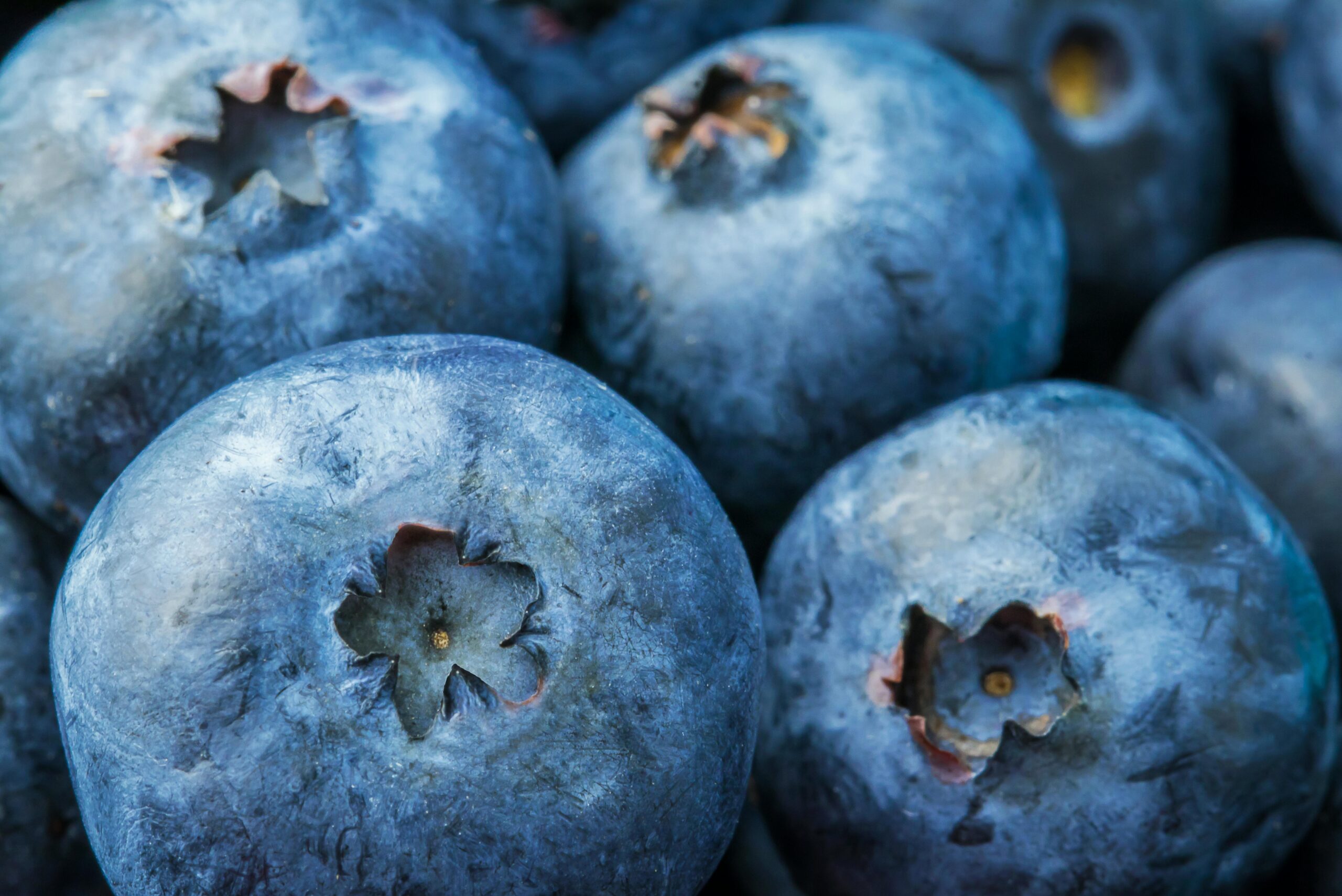
Blueberry Fruit Quality Peru case study fresh blueberries
Post-harvest quality measured after 30 days at 0°C Spring 2020
4 acres Installed with Kyminasi® Crop Booster technology
30 days Storage period before post-harvest measurements
88% Fruit over 19 mm in the KPCB blueberry group
$12,497 Reported increased profit in the KPCB blueberry group
The Setup

Blueberry Fruit Quality Peru: A simple installation with measurable results.

The Kyminasi® Crop Booster was installed in December 2019 on 4 acres of blueberries at Hortifruit in Peru, one of the largest blueberry producers in the world. For this Blueberry Fruit Quality Peru trial, the crop was harvested in August 2020, and post-harvest quality was measured after 30 days of cold storage at 0°C.

Case Study Snapshot

Blueberries · Peru

Spring 2020
Place Hortifruit, Peru

One of the largest blueberry producers in the world.

Installation 4 acres

Kyminasi® Crop Booster installed in December 2019.

Harvest August 2020

Blueberries harvested after the treatment period.

Quality Test 30 days at 0°C

Post-harvest measurements completed after cold storage.

Main Result Improved shelf life, fruit quality, size, and reported profit.

Blueberry Fruit Quality Peru: Control Crop vs. KPCB Blueberries

The results show improvements in flavor quality, size quality, bruising resistance, and profit.

Comparison Control Crop KPCB Blueberries
Flavor Quality
Measured by Brix / Acidity Ratio
Normal Improved
% of Fruit With Improved Size Quality
Diameters over 19 mm
78% 88%
% of Fruit With No Observed Bruising 79% 83%
Increased Profit $0 $12,497
Why This Matters

Blueberry fruit quality in Peru: More marketable fruit and better post-harvest confidence.

For blueberries, quality is value. Larger size, better flavor balance, and reduced visible bruising can help support stronger market performance after storage and handling.

+10 pts

More fruit above 19 mm compared with the control crop.

+4 pts

More fruit with no observed bruising after storage.

$12.5K

Increased profit reported for the KPCB blueberry group.

Case Study Notes

How Kyminasi® supports blueberry fruit quality in Peru through irrigation water.

Harvest Harmonics helps growers improve crop performance using the Kyminasi® Crop Booster, a non-chemical crop-boosting technology installed into irrigation systems. In this Blueberry Fruit Quality Peru case study, the technology was applied to a 4-acre block, allowing the comparison to focus on quality and commercial outcomes after harvest.

The standout result is not just one number. The treated blueberries showed a quality stack: improved flavor quality, more fruit in the larger-size category, more fruit with no observed bruising, improved shelf life, and a reported profit increase.

Better fruit size and post-harvest quality can turn crop performance into real commercial value.

This is the type of result that matters to growers, exporters, and retailers. Quality must hold after harvest. Fruit must travel well, present well, and deliver a better eating experience. In this trial, the KPCB blueberries showed measurable gains in areas directly tied to marketability.

Crop

Blueberries

Location

Peru · Hortifruit

Technology

Kyminasi® Crop Booster

Result Focus

Fruit quality, size, shelf life, and profit.

Kyminasi® Technology

The Crop Booster and K-Disc work with your irrigation setup.

The Kyminasi® Crop Booster can be installed into irrigation systems of many sizes and configurations, helping growers bring bio-energetic farming technology into the water already moving through their farm.

For larger acreage or systems where a pre-built booster pipe is not the right fit, Kyminasi® Discs can be installed directly into the irrigation system using the Kyminasi® Installation Kit. Let’s start your process toward chemical-free farming.

See the Magazine First Edition Book a Quick Call
Kyminasi Crop Booster system for Blueberry Fruit Quality Peru irrigation technology
Kyminasi Disc K-Disc for Blueberry Fruit Quality Peru irrigation system
Ready to Explore?

Let’s see what the Crop Booster can do for your farm.

Whether you grow blueberries, citrus, peppers, dragon fruit, or another crop, Harvest Harmonics can help review your farm size, irrigation setup, and installation options.

Book a Quick Call View the Magazine

Contact Harvest Harmonics

www.harvestharmonics.com service@harvestharmonics.com +1 (727) 324-6750
© 2026 Harvest Harmonics. Kyminasi® and Crop Booster™ are used for Harvest Harmonics marketing and educational content.

Read More
2025-12-29by SebastianHarvest HarmonicsPress Room

Harvest Harmonics Announces Breakthrough Rice Trial Results in Nepal

Kyminasi Plants Crop Booster Delivers 76% Yield Increase in Kisan Basmati Rice

At Harvest Harmonics we are extremely proud to announce the results of one of our latest international case studies, a 2024 rice field trial in Nepal that delivered exceptional yield gains using the Kyminasi Plants – Crop Booster™ (KPCB). The trial, conducted under real farmer conditions and overseen by Dr. Uprety, demonstrates the power of Organically Managed Genetics (OMG) in action.

The results are clear: rice grain yield increased by 76% per hectare compared to standard farmer practice

Trial Conducted Under Real-World Conditions

The trial was carried out during the 2024 growing season using Kisan Basmati rice, one of the region’s most important varieties.

Key Trial Details

  • Location: Nepal (26°30’53″N, 87°17’27″E)

  • Elevation: 87 meters

  • Planting Date: June 29, 2024

  • Harvest Date: October 19, 2024

  • Treated Area: 500 m² (0.12 acre)

  • Control Area: 500 m² (0.12 acre)

Irrigation followed normal local practice, relying on flood irrigation from groundwater and rainfall, with only four irrigation cycles during dry periods. Aside from the application of Kyminasi Plants – Crop Booster™, all agronomic practices remained unchanged.

Standout Agronomic Performance

From mid-season onward, the KPCB-treated rice showed visibly stronger growth and structure compared to the control field. At harvest, the numbers confirmed what was already evident in the field.

Metric

Control

KPCB

Change

Average panicles per hill

15

20

+33%

Average grains per panicle

98

88

 –10%

Final yield (tons/ha)

3.48

 6.10

 +76%

The increase in yield was driven primarily by a 33% increase in panicle density per hill, a highly efficient genetic response by the plant.

Proof of Organically Managed Genetics (OMG)

Rather than forcing unnatural changes, the rice plants made a smart genetic decision. Instead of increasing grains per panicle, the crop optimized its structure by producing more panicles, each carrying slightly fewer grains. This resulted in:

This response is a textbook example of Organically Managed Genetics (OMG) — the foundation of Harvest Harmonics’ technology.


More upright
tillers

Reduced plant
stress

Improved canopy architecture

Higher total grain production per hectare

Unlike GMO approaches that impose artificial genetic outcomes, Kyminasi Plants – Crop Booster™ works with the plant’s own genetics, allowing it to express the most efficient yield strategy based on its environment.

Visual Confirmation in the Field

Field photos taken at 110 days after planting (DAP) clearly show the difference between the two plots. While color differences may appear subtle at first glance, closer inspection reveals that KPCB-treated plants have:

  • Denser, more uniform panicle distribution
  • Upright tillers carrying lighter panicles

  • Active green leaves emerging above the canopy

  • A healthier, more productive plant structure


These physical traits directly correlate with the significant yield increase measured at harvest.

A Strong Signal for Rice Producers Worldwide

This Nepal case study adds to a growing body of evidence showing that Crop Booster technology consistently unlocks yield potential while aligning with the plant’s natural biology.

A 76% yield increase, achieved without altering farmer practice, reinforces Harvest Harmonics’ belief that the future of agriculture lies in enhancing natural intelligence, not overriding it.

About Harvest Harmonics

Harvest Harmonics developed the most advanced crop-boosting technology, designed to work in harmony with plant genetics. Through signal-based solutions like Kyminasi Plants – Crop Booster™, the company helps growers increase productivity, strengthen crop resilience, and reduce reliance on aggressive chemical inputs.

Read More
2025-10-31by SebastianPress Room

Harvest Harmonics Expands Its Reach: Bringing Innovative Agriculture Solutions to California and Florida

At Harvest Harmonics, our mission has always been clear: to help farmers and growers unlock the full potential of their crops. Over the past few years, we’ve seen incredible growth thanks to the trust of our customers and the positive impact our tech have had across farms and orchards.

As part of our next phase of growth, we’re excited to announce that Harvest Harmonics is expanding its operations into California and Florida, two states at the heart of U.S. agriculture. These regions are known for their diverse crops, innovative farming practices, and commitment to sustainability—all values that align perfectly with our mission.

Why California and Florida?
California’s vast orchards, vineyards, and specialty crop operations, along with Florida’s citrus groves and diverse agricultural sectors, present a unique opportunity to bring our technology to even more growers. By expanding into these key markets, we aim to provide farmers with tools that improve crop performance, increase efficiency, and promote sustainable practices.

Our Growth Story
This expansion reflects more than just business growth—it’s a testament to the increasing demand for technologies that support modern agriculture. From our roots in soil science to the development of products that enhance water absorption and nutrient uptake, Harvest Harmonics is committed to helping growers achieve measurable results without disrupting their current practices.

Learn more about our journey here –> harvestharmonics.com/trl9

Looking Ahead
As we establish our presence in California and Florida, we’re focused on connecting with local growers, understanding their unique challenges, and delivering solutions that make a real difference. This growth also strengthens our ability to innovate, collaborate, and support the agricultural community nationwide.

At Harvest Harmonics, we believe that sustainable farming and high-performance crops can go hand in hand. Expanding into new markets allows us to continue fulfilling that vision—helping farmers grow better, smarter, and more efficiently.

Stay tuned as we share updates from our new teams on the ground and the exciting projects underway in California and Florida. The future of agriculture is growing—and we’re thrilled to be part of it.

Read More
2025-10-13by SebastianHarvest Harmonics

Transformando la Industria de la Palma en Colombia con Kyminasi Plants Crop Booster™

En septiembre de 2021, Harvest Harmonics instaló la tecnología Kyminasi Plants Crop Booster™ (KPCB) en el vivero Millennium Variety en Norte de Santander, Colombia, con el apoyo del Servicio Nacional de Aprendizaje (SENA).

El objetivo fue evaluar los efectos de esta tecnología sobre el crecimiento y la calidad del fruto de la palma de aceite.


Resultados Que Superan las Expectativas

Se realizaron mediciones semanales de la altura, grosor del tallo y área foliar de las plantas tratadas con KPCB, comparándolas con un campo control del mismo cultivar.

Según el ingeniero agrónomo José Efrén Fajardo, del SENA, las plantas tratadas con KPCB mostraron mejoras notables frente al control:

  • 🌴 Plantas +8.9 cm más altas en promedio
  • 🌿 Tallos +2.5 cm más gruesos
  • 🍃 Mayor calidad de fruto observada durante la evaluación
“Estos resultados están muy por encima de lo que normalmente observamos en ensayos sin el uso de KPCB.” — José Efrén Fajardo, Agrónomo del SENA

Un Avance para la Palma de Aceite Sostenible

La palma de aceite es clave para la agricultura colombiana y la sostenibilidad global. Gracias a la tecnología de bio-resonancia, Kyminasi Plants Crop Booster™ ayuda a los agricultores a aumentar la productividad de manera natural, sin químicos ni aditivos.

El resultado: plantas más sanas, crecimiento más fuerte y frutos de mejor calidad.


Conversemos sobre el Potencial de tu Cultivo

¿Listo para dar el siguiente paso? Déjanos un mensaje y nuestro equipo te contactará contigo.

#HarvestHarmonics #PalmaDeAceite #OilPalm #Kyminasi #AgroTech #SENA #Colombia #AgriculturaSostenible

Read More
2025-10-06by SebastianHarvest HarmonicsUncategorized

Soil Health

The True Foundation of Sustainable Farming

Healthy soil is the cornerstone of sustainable agriculture. When farmers prioritize soil health, they unlock higher crop yields, reduce input costs, and build resilience against pests, diseases, and climate change. At Harvest Harmonics, we believe soil health is the most valuable investment for long-term farm productivity and environmental sustainability.

What Is Soil Health and Why Does It Matter?

Soil health refers to the overall condition and functionality of the soil ecosystem. A truly healthy soil:

  • Provides essential nutrients and water for crop growth.
  • Supports beneficial microorganisms that protect plant roots.
  • Improves soil structure and prevents erosion.
  • Acts as a natural carbon sink, reducing climate impacts.

When soil health is compromised, farmers often see lower yields, higher input requirements, and greater vulnerability to pests and diseases. In short, healthy soil equals healthy crops and healthier profits.


Best Practices to Improve Soil Health

1. Increase Organic Matter

Adding organic matter through composting, cover crops, or crop residues improves soil fertility, boosts water retention, and strengthens soil structure. It also nurtures the microbiome, which drives nutrient cycling.

2. Crop Rotation and Diversification

Rotating crops prevents disease build-up, balances nutrient use, and enhances biodiversity both above and below the ground. This is a proven way to maintain long-term soil fertility.

3. Adopt Conservation Tillage

Reducing tillage minimizes soil disturbance, preserves natural structure, and prevents erosion. No-till and minimum-till methods also increase water infiltration and microbial activity.

4. Biological and Integrated Pest Management (IPM)

Natural pest control strategies, such as beneficial insects, crop rotation, and physical barriers, reduce dependence on chemical pesticides that can degrade soil health. IPM ensures a more balanced and resilient ecosystem.


The Harvest Harmonics’ Approach

While sustainable practices provide the foundation, today’s farmers also have access to technologies that accelerate soil regeneration and maximize crop potential.

Crop Booster™: Unlocking Plant Efficiency

The Crop Booster™ system helps plants use water and nutrients more effectively by optimizing their natural cellular processes. As plants grow stronger and healthier, they enrich the soil microbiome, feeding the underground ecosystem that keeps soils fertile for future crops. The cycle is simple: healthier plants mean healthier soil.

YieldMax Program: Scaling Sustainable Results

For farms ready to combine traditional soil practices with advanced innovation, the YieldMax Program provides a complete framework. By integrating biophysical technology with proven agronomic methods, this program helps farmers reduce dependency on synthetic inputs while consistently improving yields. It’s not just about short-term gains; it’s about building long-term resilience and profitability.

The Link Between Soil Health and Sustainable Farming

Prioritizing soil health reduces the need for synthetic fertilizers and pesticides, cuts input costs, and strengthens crop resilience. More importantly, it ensures farming operations remain productive and profitable for future generations.

At Harvest Harmonics, we see soil not as a resource to exploit but as a living partner to nurture. Every step you take towards regenerative agriculture builds long-term fertility, resilience, and profitability.

Take Action: Improve Your Soil Health Today

Healthy soil doesn’t just happen, it’s built through consistent practices and smart innovations. Farmers who invest in soil health now will be the ones leading the future of agriculture.

Ready to grow stronger, healthier crops while protecting your soil?

Learn how Crop Booster™ and the Yield Max Program can help transform your farm today.

Read More
  • 1
  • 2
  • 3
  • 4

Harvest Harmonics

We help farmers to increase their crop yield and profit and improve the quality of their products. We have the most advanced crop booster technology in agriculture.

Useful Links

  • About Us
  • Terms and Conditions
  • Successes
  • Contact Us
  • Get a Free Quote

Contact Info

  • geo611 Druid Rd, E Building 201
    Clearwater, FL 33756, USA
  • phone+1 727 324 6750
  • mailservice@harvestharmonics.com
  • mailMon – Fri: 08:00 a.m. – 6:00 p.m. ET

Social Media