Harvest Harmonics CEO Frank Arlia Jr. Named Keynote Speaker at 8th International Conference on Agricultural Sciences
[embedyt] https://www.youtube.com/watch?v=IvhsnUoZSmg[/embedyt]
Clearwater, Florida – Nov 14, 2024 – Francesco Arlia, CEO of Harvest Harmonics, a leading global provider of innovative agricultural solutions, has been invited as the Chief Guest to the 8th International Conference on Recent Trends in Agricultural, Veterinary, Forestry, and Allied Sciences. The conference is being jointly organized by Just Agriculture, India’s premier Agri Professionals Platform, and Shri Guru Ram Rai University (SGRR University).

This prestigious event will take place on November 21st and 22nd and will bring together renowned experts, researchers, and industry leaders from around the world to discuss the latest advancements in agriculture and explore sustainable solutions for the future. Arlia’s keynote address will delve into the transformative power of technology in agriculture, highlighting the role of innovation in addressing global food security challenges.
About Harvest Harmonics
Harvest Harmonics is a global leader in providing innovative agricultural solutions. The company’s cutting-edge technologies and sustainable practices are helping farmers worldwide increase yields, reduce costs, and minimize environmental impact.
About Just Agriculture
Just Agriculture is a dynamic platform that connects a vast network of agricultural professionals, researchers, and students. With a strong focus on innovation, the organization publishes a magazine and a newsletter, and organizes conferences, workshops, and training programs.
About SGRR University
SGRR University is a premier institution committed to providing quality education in various disciplines, including agriculture. The university boasts state-of-the-art facilities, experienced faculty, and a vibrant campus life.
Media Contact:
Marlene Hamerling
727-724-6750
A Looming Crisis: Rising Input Costs Threaten Global Food Security
The agriculture industry, a cornerstone of global food security, is grappling with a severe crisis: escalating input costs. This trend, often referred to as “agflation,” is significantly impacting farmers’ profitability and food security.
The Mounting Crisis
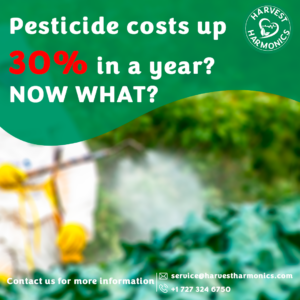
According to a recent report by the Food and Agriculture Organization (FAO), global fertilizer prices have surged by over 30% in the past year. This, coupled with rising fuel costs and labor shortages, is squeezing farmers’ profit margins. A study by the World Bank estimates that a 10% increase in input costs can lead to a 3-5% reduction in agricultural productivity.
The Impact on Farmers and Consumers
The consequences of rising input costs are far-reaching:
- Reduced Profit Margins: Farmers are facing declining profit margins, making it difficult to sustain their livelihoods and invest in their operations.
- Increased Debt: Many farmers are resorting to debt to cover increased input costs, further exacerbating financial stress.
- Reduced Investment: Lower profits can lead to reduced investment in technology, research, and sustainable practices.
- Food Price Inflation: Rising input costs are often passed on to consumers in the form of higher food prices.
- Food Security Risks: In extreme cases, farmers may be forced to reduce production or abandon farming altogether, leading to food shortages and food insecurity.
A Ray of Hope: Innovative Solutions
To address these challenges, innovative solutions are needed. One such solution is the Harvest Harmonics Crop Booster. By harnessing the power of biophysical signaling, this technology can enhance plant growth, improve water use efficiency, and boost crop yields. By reducing reliance on costly chemical inputs and optimizing resource use, Harvest Harmonics Crop Booster can help farmers mitigate the impact of rising input costs and ensure a sustainable future for agriculture.
By embracing innovative technologies like Harvest Harmonics Crop Booster and implementing sustainable farming practices, we can mitigate the impact of rising input costs and ensure a sustainable future for agriculture and food security.