Cherries
Chile (Spring Harvest)
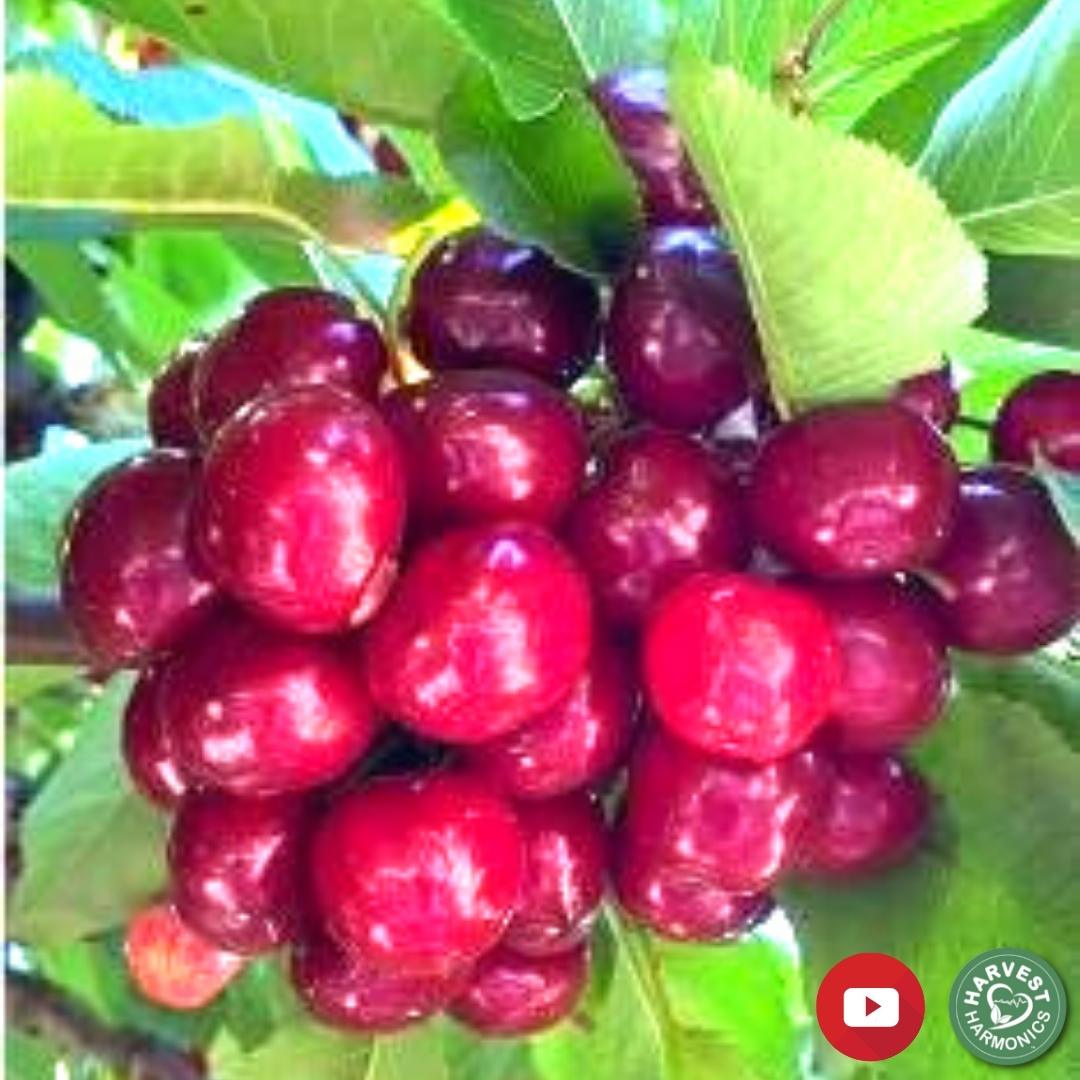
The Kyminasi Plants Crop Booster™ was installed on a field of cherry trees in Chile and compared against an untreated control field at harvest. The KPCB-treated field produced significantly more fruit — and the improved quality allowed the cherries to command a higher price per kilogram, compounding the financial advantage beyond yield alone.
| Metric | 🍒 KPCB Field | Control Field |
|---|---|---|
| Total Yield | 23,438 kg | 18,735 kg |
| Price per kg | $6.00 | $5.00 |
| Total Revenue | $140,628 | $93,675 |
| Additional Profit | +$46,953 per hectare in favor of KPCB | |
KPCB yield: 23,438 kg @ $6/kg = $140,628 · Control yield: 18,735 kg @ $5/kg = $93,675 · Additional profit: $46,953/hectare
The cherry trial in Chile stands out as one of the clearest demonstrations of KPCB's compounding commercial value. The 25% yield increase and the $1/kg quality premium are independently significant results — but together they add up to nearly $47,000 per hectare in additional profit. For cherry growers operating in competitive export markets where both volume and quality grades determine revenue, this kind of outcome represents a fundamental improvement in the economics of the operation.
Questions? Schedule a Free Zoom Appointment →