Bigger Peppers, Better Planet
Bigger Peppers, Better Planet: India Trial Proves Kyminasi Leads in Responsible Stewardship
At Harvest Harmonics, we love a good comeback story — and this one’s all about soil regeneration, bell peppers, hardworking farmers, and the promise of a better tomorrow. In a groundbreaking field trial conducted at Centurion University of Technology and Management in Odisha, India, our Kyminasi® Plants Crop Booster™ (KPCB) proved once again that the future of farming — and responsible stewardship of the land — is here.
👨🔬 The Science Behind the Soil
The trial, available here, was led by Dr. Ashirbachan Mahapatra and Master’s student Subhankar Das. It wasn’t just another experiment — it was a celebration of farmers, scientists, and agricultural technology working hand in hand to heal the Earth. Using a drip irrigation system with polythene mulch — and most importantly, Kyminasi-treated water — researchers saw incredible improvements in plant growth, soil fertility, and crop yield, strengthening the foundation for a more sustainable future for farmers everywhere.
📊 Bell Pepper Wins: The Juicy Results
Let’s talk numbers — and let the peppers do the bragging:
-
🌱 Plant height up by 16.9%
-
🍽️ Fruits per plant increased by 10.2%
-
🌿 Chlorophyll content up 8.1% (thanks to healthier plants and a thriving soil microbiome)
-
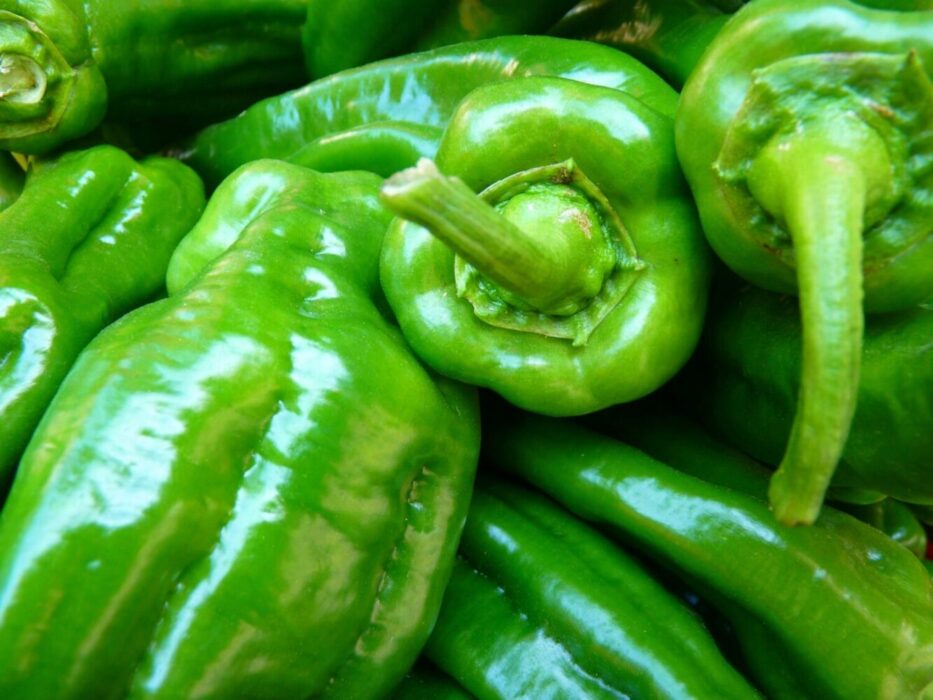
🫑 Fruit weight soared by 37%
-
🌟 Aroma and luster improved by 31% and 21%, respectively
And with 15.6% more yield per plant, these nutrient-rich bell peppers are a win for farmers, food systems, and communities alike. That’s nutrient-dense food production made possible with plant biostimulants — and zero chemicals.
🌎 Innovation Meets Stewardship
At the heart of this agricultural transformation is Fulvio Balmelli, the inventor of the Kyminasi technology. His vision: to restore harmony between nature, farming, and farmers themselves — using non-invasive, low-energy tech that enhances nutrient uptake, boosts yields, and supports soil restoration.
Each science trial validates what Fulvio set out to do: provide technologies that empower farmers, promote responsible stewardship of the land, and protect future generations.
🌱 Why This Matters
This isn’t just about bigger peppers. It’s about building a world where farmers are respected stewards of the land.
It’s about:
-
Water conservation through efficient irrigation systems
-
Sustainable agriculture that reduces chemical dependency
-
Promoting food sovereignty by empowering farmers
-
Healing our Earth through organic agriculture and soil restoration
-
Advocating for more rights and fewer regulations for farmers
Farmers are the backbone of humanity’s survival — and when we honor and support them, we all thrive.
🎉 A Global Movement Rooted in Science and Respect
We’re not just watching change happen — we’re making it happen, alongside farmers and scientists worldwide. At Harvest Harmonics, every new trial reinforces what we know in our roots: Kyminasi Crop Booster isn’t just the future of farming — it’s the future of responsible stewardship and a healthier planet.
Stay tuned for more stories from the field, and if you’re as excited as we are about the future of agriculture, join the movement.
Because this is just the beginning.
— Team Harvest Harmonics
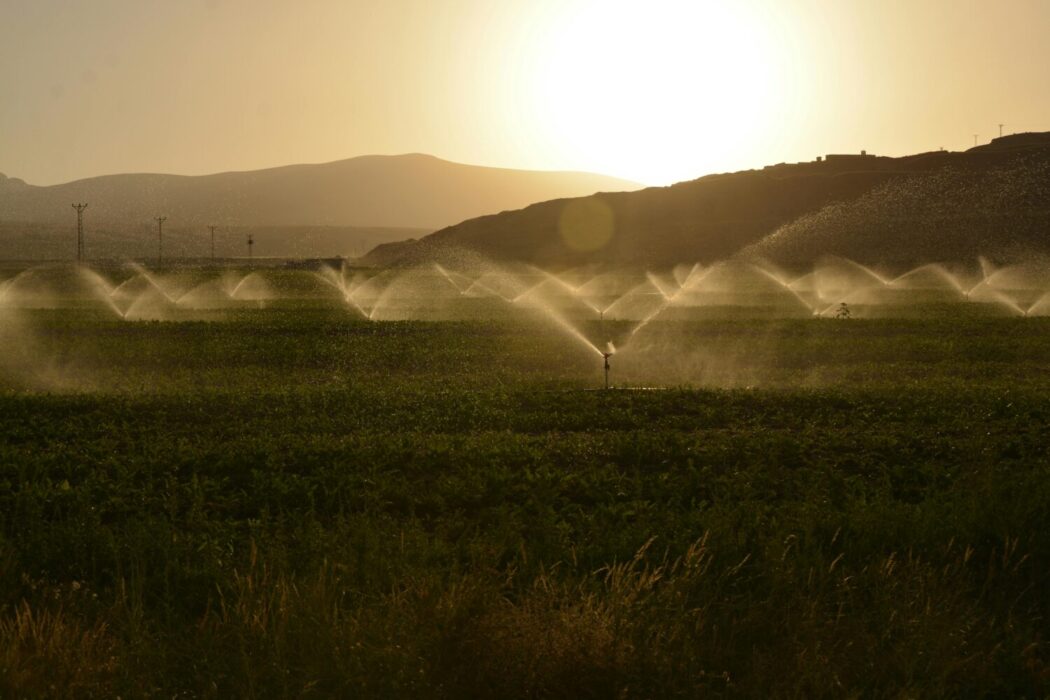
Why Water-Saving Practices in Farming Matter More Than Ever
Why Water-Saving Practices in Farming Matter More Than Ever
Water is life—especially on the farm. From nurturing crops to sustaining livestock, every drop plays a vital role in our global food supply. But with rising water scarcity and climate unpredictability, saving water in agriculture has gone from a good practice to an absolute necessity.
🌎 The Big Picture: Agriculture & Water Use
Did you know that agriculture accounts for about 70% of global freshwater withdrawals? That’s more than any other sector. In many parts of the world, farmers rely on irrigation from rivers, lakes, and underground aquifers—many of which are drying up or becoming increasingly unreliable due to drought and climate change.
If we don’t act now, the consequences could be severe: crop failures, food insecurity, higher prices, and reduced agricultural livelihoods.
💧 Why Water-Saving Matters
Here are a few key reasons why water-saving practices are so important in farming today:
1. Preserving Freshwater Resources
Sustainable irrigation helps protect natural water sources for future generations and for other vital needs—like drinking water and sanitation.
2. Cutting Costs
Efficient water use lowers energy and operational costs associated with pumping, treating, or delivering water. That means more savings and higher profit margins for farmers.
3. Improving Soil Health
Overwatering can lead to soil erosion, nutrient leaching, and poor crop performance. Using just the right amount keeps soil balanced and fertile.
4. Resilience Against Drought
Smart water management makes farms more resilient to weather extremes, giving crops a fighting chance even in dry spells.
🌿 Practical Ways Farmers Can Save Water
The good news? There are plenty of solutions available today—some high-tech, others beautifully simple.
-
Drip irrigation systems: Deliver water directly to plant roots, minimizing waste.
-
Soil moisture sensors: Let farmers irrigate only when necessary.
-
Mulching and cover crops: Reduce evaporation and keep moisture in the soil.
-
Selecting drought-resistant crop varieties: Use less water while maintaining yields.
-
Capturing and reusing rainwater: An old trick that’s making a comeback.
👩🌾 Farming Smarter, Not Harder
Saving water doesn’t mean sacrificing yield or quality. In fact, many farmers report better results after switching to more efficient irrigation systems and practices. It’s all about farming smarter—leveraging technology, data, and nature itself to produce more with less.
🚀 The Future Is Sustainable
As the world’s population grows and the climate continues to shift, the pressure on farmers will only increase. But with innovation, education, and a focus on sustainability, agriculture can rise to the challenge.
Water is one of our most precious farming tools—let’s not waste it