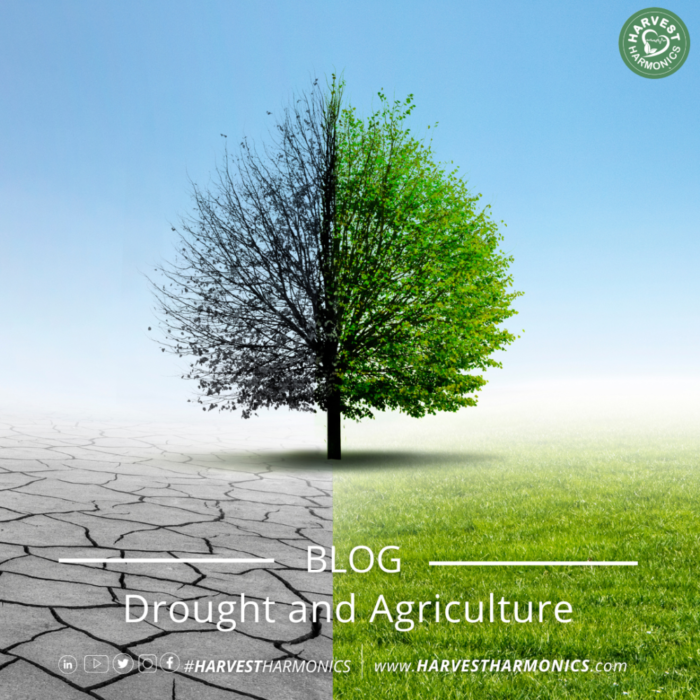
Drought and Agriculture
Drought is considered a cyclical climatic phenomenon caused by a reduction in rainfall, which manifests itself slowly and affects people, economic activities, the environment, and can even interfere with the social and economic development of peoples. In the agricultural sector, drought refers to the marked and permanent deficit of rainfall that significantly reduces agricultural production in relation to the normal or expected values for a given region. For some specialists, the deficit of moisture in the soil is linked to the effects on plant production in agriculture and pastures in livestock, it is often referred to as soil drought. The severity of a drought depends not only on the degree of reduction of rainfall, its duration or its geographical extension, but also on the demands of the water resource for the permanence of natural systems and for the development of human activities, which is why it is possible to express the degree of severity of the drought in terms of its social and economic impacts (Gallardo Ballat et al., n.a. )
In the context of agriculture, drought “does not begin when the rain ceases, but when plant roots cannot obtain more moisture from the soil” and can be defined on the basis of soil moisture rather than on some indirect interpretation of precipitation records. Since the productive moisture reserve of the soil depends on it and the crop. There is an agricultural drought, when soil moisture in the rhizosphere is at such a level that it limits the growth and production of the crop (Ramón & Delisles Batista, n.d.) .
The main effects that the drought is producing in the agricultural sector are: The lack of water has prevented the development of pastures for livestock feed, forcing additional contributions of feed, hay and fodder with the consequent increase in production costs to farmers. Finally, as a result of the drought there is a shortage of fodder and greater demand for these, before which increases in their prices are expected. Irrigation is a generalized source of wealth compared to traditional drylands, as well as an increase in added value, and more importantly, a factor that socially implies a brake on the depopulation of our rural environment. Irrigation has traditionally been seen as a key element for rural development. Without water there is no agricultural production and without it rural development is inconceivable. The severe drought we are experiencing can cause very significant damage to the economies of our irrigated farmers. This fact could even motivate the abandonment of certain irrigated crops or their conversion to rainfed in case of a notable loss in their profitability, which would imply calling into question the viability of much of the irrigation.
Problem with plantings
It can be sown, but the drought is causing lack of nascence and difficulties in the subsequent development of the plants born.
Lack of yield in crops
Crops such as olive groves, sunflowers and almond trees, in the harvesting period, are experiencing yield losses as a result of drought.
It is clear that farmers are in favor of doing something for their survival in times of disasters, such as droughts. The range of initiatives demonstrates that life in communities depends on various activities, capacities and assets, including material and social resources. One initiative that can help with both drought problems and the effects it entails is Kyminasi Plant Crop Booster (KPCB), as it has shown that, despite water shortages, crops have been able to take advantage of existing water resources. KPCB is a new technology never seen before, applies biophysics to agriculture allowing to obtain benefits both in the health of the soil and in the process of photosynthesis of plants, all this translates to the optimization of water use, which includes decreased water use, greater tolerance to brackish water, resistance to frost, resistance to high temperatures and drought and increased water retention in plants.
Sources
Gallardo Ballat, Y., Brown Manrique, O., & Álvarez Tamayo, M. (n.d.). MG | v.30 | n.2 | p. 96–115. https://doi.org/10.14393/SN-v30n2-2018-5-X
imac. (n.d.). Diag. Leisa 17.1B. http://www.oneworld.org/ileia
Ramón, D., & Delisles Batista, P. (n.d.). Some considerations on the behavior of the agricultural drought in the cuban agriculture and the use of satellite images in its evaluation. https://doi.org/10.13140/RG.2.1.4591.3843
Press Room
Agricultural Technology for Farmers in India
Harvest HarmonicsTM New Biophysics Agricultural Technology For Farmers In India The Agricultural Biophysics technology, 20…
1

Organic Earth Tech, OETI, Launches One Million Dollar Technology
After hurricanes Maria and Irma, Puertorrican farmers are yet to receive the needed aid to recover. Organic Earth Tech…
0

Produce More From Less
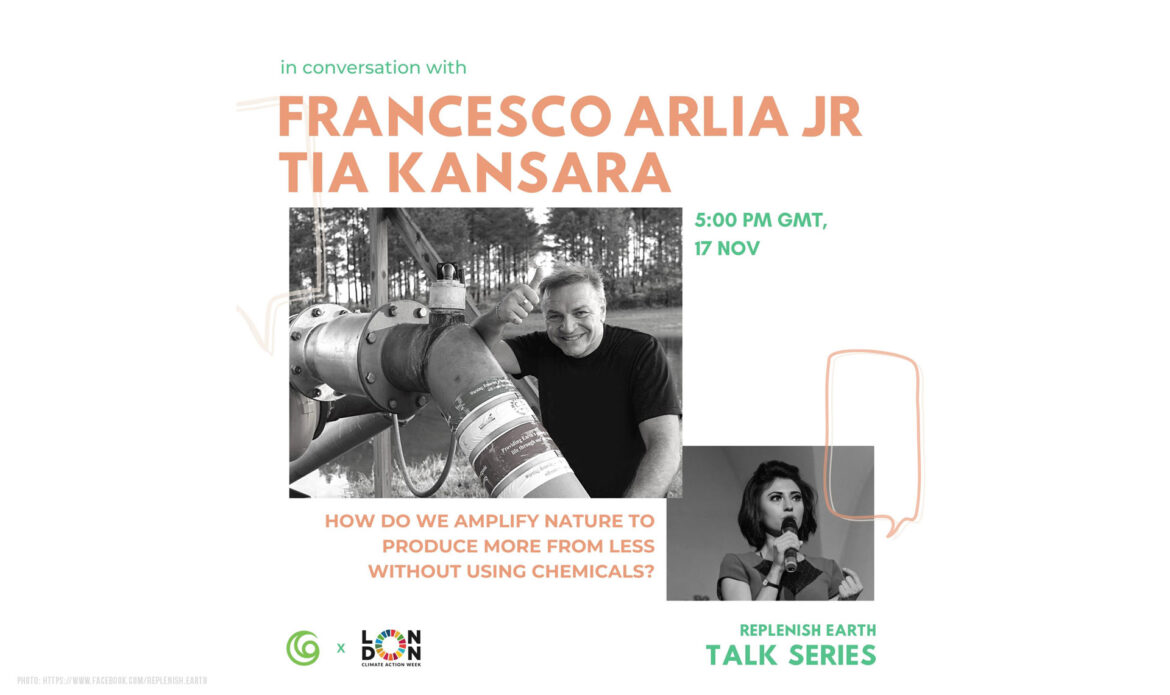
CEO Harvest Harmonics Frank Arlia speaking at Replenish. Earth interview by Tia Kansara – London Climate Action Week. How…
0
Replenish Earth and the Environmental RE Talk Series
Replenish Earth and the environmental RE Talk Series event that reunited the top thinkers in the world Harvest Harmonics…
1
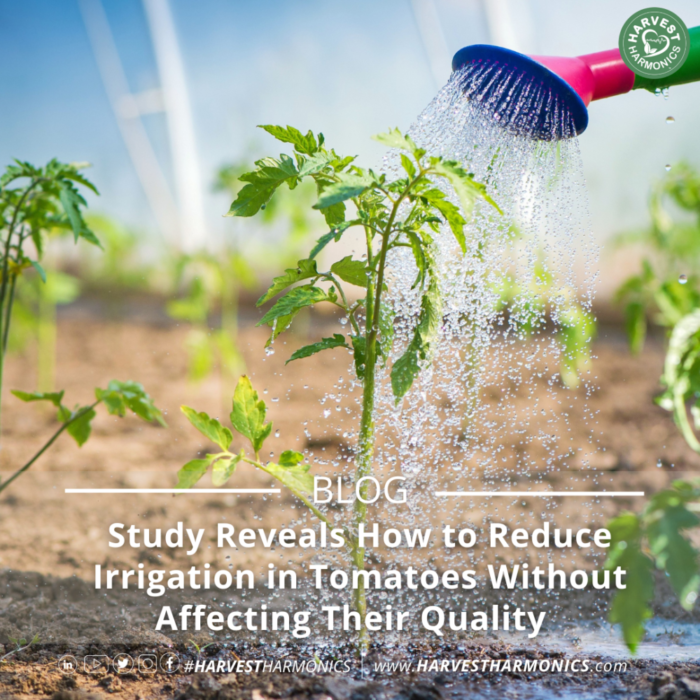
Study Reveals How to Reduce Irrigation in Tomatoes Without Affecting Their Quality
Study evaluated the effect of a sustainable agricultural practice, deficit irrigation in ‘Sunchocola’ tomatoes and found that the least amount of water does not affect the quality of the product Universidad de Sevilla
A study carried out by researchers from the University of Seville (2022) shows that deficit irrigation did not cause significant changes in the commercial quality of tomatoes (color, size, weight, firmness, sugars) while, at the same time, the content of healthy compounds like carotenoids tripled.
As revealed by the Mundo Agropecuario portal (2022), this study evaluated the effect of a sustainable agricultural practice, deficit irrigation on ‘Sunchocola’ tomatoes, characterized by their intense reddish-green coloration.
Deficit irrigation consists of reducing the use of water trying not to affect production. In this sense, the study proposes to reduce irrigation in the most resistant crop stage, controlling the level of stress in the plant, so as not to affect the quality and production of the tomato.
Specifically, the effect of this practice on productivity, commercial quality and the content of healthy compounds (carotenoids and phenolic compounds) was studied. The results show that there were no significant changes in the commercial quality of the product.
Likewise, although the content of phenolic compounds decreased slightly, the presence of carotenoids tripled. This result is of great nutritional importance since the consumption of carotenoids is associated with a lower risk of various diseases in addition to cosmetic benefits.
Similarly, the article highlights that, taking into account that the tomato is one of the most important crops worldwide, the efficient transfer of these results and those of other similar studies could contribute significantly to the global saving of irrigation water and the production of tomatoes with a higher content of compounds that are of great importance for cosmetic and health reasons.
If your goal is to optimize the use of water to irrigate your crops, Kyminasi Plant Crop Booster technology will help you achieve it.
We will show you some of our fantastic water saving results in others crops:
Improved Drought Tolerance & 75% Yield Increase of Grapes
in Peru
Date: June, 2020 (Fall)
Place: Casma, Perú
Details: Kyminasi Plant Booster (KPB) technology was installed on 5 hectares of Red Globe grapes at Frutos Hergu’s Farm in Peru.
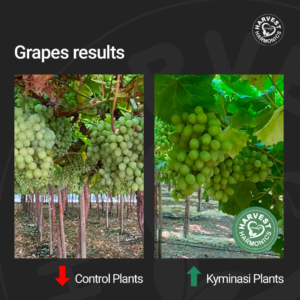
Results: Drought conditions in 2020 caused a 30% water deficit that adversely impacted yields in the Casma region of Peru where this farm is located. The field that was treated with KPB achieved greater yields and produced 75% more grapes than the control field even during an extreme drought. Overall, the KPB field produced 52.5% more grapes than the previous year’s yield.
KPB Grape Yield: 42 metric tons
Control Grape Yield: 24 metric tons
46% Reduction in Water Usage & 30% Yield Increase of Walnuts
in Chile
Date: January, 2021 (Summer)
Place: Chile
Details: Kyminasi Plant Booster (KPB) technology was installed on a field of walnut trees that had experienced salt toxicity as a result of a water deficit from the previous 3 years.
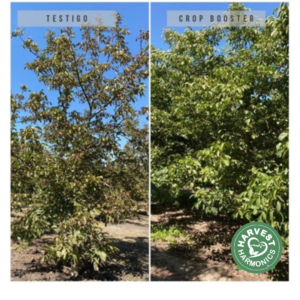
Results: The salt toxicity condition of the walnut trees was able to be completely reversed with the KPB technology and this allowed a total recovery of the vigor of the plants. KPB helped to decompact the soil and this allowed for a 46% reduction in water usage. The KPB walnut trees produced 30% more yield as compared to the control field.
Source:
University of Seville (March 7th, 2022). “Tomates de igual calidad con menos agua de riego”. Mundo Agropecuario. https://mundoagropecuario.com/tomates-de-igual-calidad-con-menos-agua-de-riego/
Press Room
Agricultural Technology for Farmers in India
Harvest HarmonicsTM New Biophysics Agricultural Technology For Farmers In India The Agricultural Biophysics technology, 20…
1
Organic Earth Tech, OETI, Launches One Million Dollar Technology
After hurricanes Maria and Irma, Puertorrican farmers are yet to receive the needed aid to recover. Organic Earth Tech…
0
Produce More From Less
CEO Harvest Harmonics Frank Arlia speaking at Replenish. Earth interview by Tia Kansara – London Climate Action Week. How…
0
Replenish Earth and the Environmental RE Talk Series
Replenish Earth and the environmental RE Talk Series event that reunited the top thinkers in the world Harvest Harmonics…
1
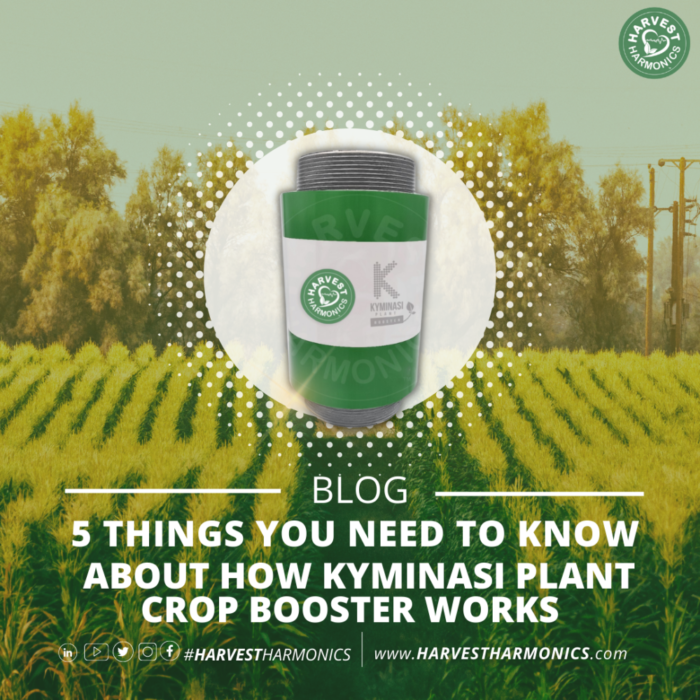
5 things you need to know about how Kyminasi Plant Crop Booster works
The Kyminasi Plant Crop Booster is a new technology that improves the health of plants, humans, and the environment overall. This technology can be installed on any irrigation system in the world.
Our devices consist of micro-transmitters that have been programmed with the specific bio-physical frequencies that a plant and its environment need for optimal operation and maximum biological potential.
Kyminasi Plant Crop Booster Technology works like a computer microchip. Precise “software-like” instructions are transmitted to plants using waves at different frequencies.
As the transmitted frequencies correspond to the natural molecular frequencies of soils and plants, these instructions can be received from them and will change function accordingly.
Kyminasi Plant Crop Booster Technology signals enhance and help balance secondary and micronutrient absorption and utilization.
Because this is a revolutionary technology that is transforming farming operations on five continents, there are many aspects that set it apart from other options on the market. For example:
- It lasts for two years: Kyminasi Plant Crop Booster Technology devices are designed to be installed at the irrigation system of any farm and their positive effects last for two years after water starts to pass throw the pipe.
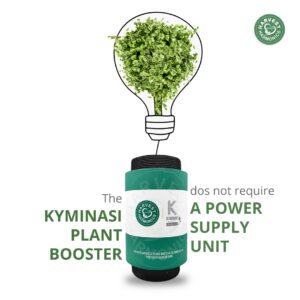
2. It doesn’t need a power supply: Kyminasi Plant Crop Booster Technology is completely self-powered. It doesn’t require maintenance or power, so literally you just have to attach it to the outside of the pipe without any expensive equipment or any power sources beyond the transmitters themselves.
3. It’s compatible with organic growth: Kyminasi Plant Crop Booster Technology is organic friendly because we’re using a signaling system and not a chemical input.
There’s really nothing in this technology which would violate any organic certifications, but in cases where organic growers are worried about it, we would consult with the certifier that you have.
4. It doesn’t harm pollinators: Kyminasi Plant Crop Booster Technology is completely safe for pollinators, in fact, this product is not a pesticide.
It doesn’t kill insects, but it stimulates the natural biological processes of plants in such a way that their own biological defense mechanisms against harmful insects are enhanced, however, it’s not going to harm insects because we’re not using a chemical approach.
We haven’t noticed any negative effects on any of our installations. We have over 500 farms around the world using the technology and we don’t have single report of any kind of pollinator problems.
5. It works on any type of irrigation: Kyminasi Plant Crop Booster Technology will work with flood irrigation, drip irrigation or pivots. This technology can be adapted to any type of irrigation system. Also, we are working on a foliar application for farmers that do not irrigate, that is still in the R&D phase.
Kyminasi Plant Crop Booster Technology is a systemic solution for plants to stay producing and they keep the photosynthesis process going no matter what’s happening and because of that we’re seeing increases in yield and quality in farms all over the world.
Press Room
Agricultural Technology for Farmers in India
Harvest HarmonicsTM New Biophysics Agricultural Technology For Farmers In India The Agricultural Biophysics technology, 20…
1
Organic Earth Tech, OETI, Launches One Million Dollar Technology
After hurricanes Maria and Irma, Puertorrican farmers are yet to receive the needed aid to recover. Organic Earth Tech…
0
Produce More From Less
CEO Harvest Harmonics Frank Arlia speaking at Replenish. Earth interview by Tia Kansara – London Climate Action Week. How…
0
Replenish Earth and the Environmental RE Talk Series
Replenish Earth and the environmental RE Talk Series event that reunited the top thinkers in the world Harvest Harmonics…
1
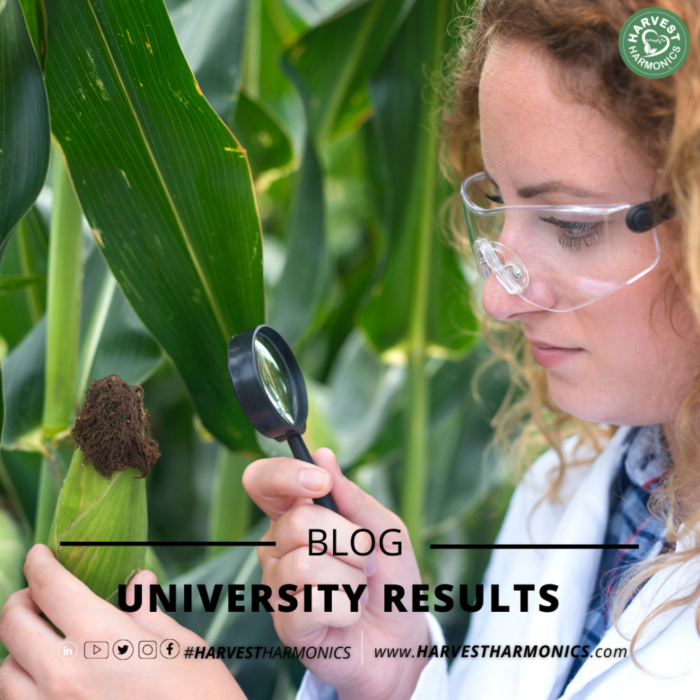
Universitiy Result
As Harvest Harmonics is a new technology that is completely revolutionizing the way we do agriculture, many scientists have become interested in the completely new understanding of exactly how plants work and how we can make them perform their functions at their highest level all the time with this organic and sustainable solution.
Harvest Harmonics is on a mission to revitalize and revolutionize the agriculture industry with new technology that increases nutrient absorption, yield, and reduces the use of chemicals and pesticides in all farming operations. The result is greater profit for the hard work of our farmers and better quality of fruits and vegetables so that everyone can eat.
The basis of this technology starts from the principle of biophysics, we apply physics directly to the biology of plants. All living things on this planet have a kind of biology and plants are no different. In fact, plants operate according to a specific pattern of signals that allow them to produce all the fruits and vegetables we enjoy eating. We studied about thousands of varieties of plants and discovered that in all types of plants: grass, grass, fruit trees, no matter what it is, all those that perform the process of photosynthesis operate with a set of ordered signals that allows them to produce fruits and vegetables. And we noticed that stressed plants of the same variety have an altered signal pattern and, as a result, are not able to produce the energy they need to grow, be healthy, and generate fruits and vegetables. And we can mention that using biophysical equipment there is a positive change in this pattern of signals.
So what we do is reinforce the metabolism of the plant using a set of frequencies that allows the plant to grow resistant, healthy and fast, operating according to its optimal potential. This technology has never been seen, they are not magnets or magnets, it is a completely new technology. What we do is program our microtransmitters with these 3000 healthy photosynthesis signals and install it in the irrigation system, so that every moment the farmer waters his plants is essentially reinforcing the ideal metabolism of that plant and that plant will be able to produce more energy for longer periods of time, which previously could not have been possible. In fact, it has been studied that most plants cannot absorb and use all the amount of fertilizer, for example, that we give to plants, on average they use 20 to 30% in a good field. Our technology helps to increase to a probable value of 40-50% allowing them to use the nutrition we give you. In fact, in many cases, we found that we were able to completely eliminate the use of fertilizers because the plants absorb what they need and produce good crops without needing to add an extra amount of fertilizer. And improving microbial activity in the soil is also helping to produce the nitrogen that plants need to survive and grow healthy.
That is why today, in this blog, we want to share one of our results with universities that participate in our program of 1000 scientific trials around the world with Kyminasi Plant Crop Booster technology. If you are interested in doing a scientific essay at a University with our technology, please contact us.
Thesis in Corn: Universidad Francisco de Paula Santander
Date: March 2022.
Place: Ocaña, Colombia.
Details: Kyminasi Plant Booster was installed at Universidad Francisco de Paula Santander, Colombia.
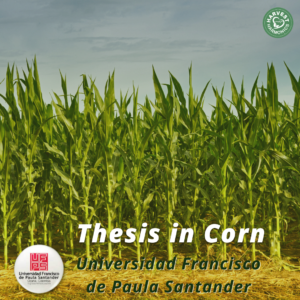
Some Results: The pH of the soil was stabilized from slightly acidic to neutral and the EC of the soil solution was reduced by 50% in the treatment field, while in the control field the acidity of the soil increased and the EC remained the same.
- The average height in the treatment field was 2.80m and in the control field 1m.
- The stem thickness in the control field was 1.78cm and in the treatment it was 2.76cm.
- In average width of the blade was 9.08cm in the treatment and in the control it was 6.89cm
- The average number of leaves in the treatment was 11.64 and in the control was 9.16
- The Green Forage Yield (RFV) in the treatment was 125 while the RFV in the control was 115.
- The linear yield of maize in the treatment was 7.59kg/m and in the control it was 1.58kg/m.
- The raw fodder obtained in the treatment field was 79,664kg and in the control field it was 11,672kg.
- Water consumption in the treatment field was 94,770L and in the control it was 189,540L.
- Brix degrees in the treatment were 11.5% and in the control 8.5%.
- Titratable acidity (probability of rot) is lower in treatment with 2.5% and the control has on average 3.75%.
- The average maturity index in the treatment is 4.6 (post-harvest durability) and the control is 2.3.
- The beneficial microbiota in the treatment field is 7.92% higher than in the control with 4.47%.
- Final average of cobs per plant was 2 in the treatment and 1 in the control.
Created By: Mariangel Rodriguez
Press Room
Agricultural Technology for Farmers in India
Harvest HarmonicsTM New Biophysics Agricultural Technology For Farmers In India The Agricultural Biophysics technology, 20…
1
Organic Earth Tech, OETI, Launches One Million Dollar Technology
After hurricanes Maria and Irma, Puertorrican farmers are yet to receive the needed aid to recover. Organic Earth Tech…
0
Produce More From Less
CEO Harvest Harmonics Frank Arlia speaking at Replenish. Earth interview by Tia Kansara – London Climate Action Week. How…
0
Replenish Earth and the Environmental RE Talk Series
Replenish Earth and the environmental RE Talk Series event that reunited the top thinkers in the world Harvest Harmonics…
1
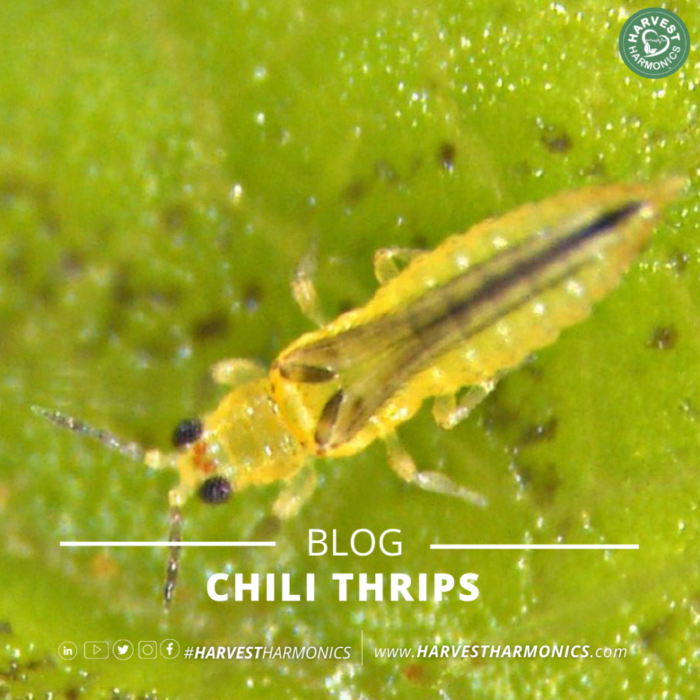
Chili Thrips
Scirtothrips dorsalis or also known as Chilli thrips is a harmful organism listed as a quarantine pest. It is an insect with a wide spectrum of host plants (more than 150 species), including crops of commercial interest such as: beans, tomato, eggplant, cucumber, onion, pepper, peanut, soybean, strawberry, corn, citrus, cocoa, banana, fig, grape, kiwi, mango, peach, rose, pear, chrysanthemum, tea, cotton, tobacco, etc. Likewise, it can be found in numerous ornamental or spontaneous species (Plant Health Service Murcia, 2017).
It is an extremely voracious invasive pest, widely distributed worldwide, first described in India in 1919. Currently, its distribution is mainly located in Southeast Asia, China, Japan, the Middle East, Oceania, Africa, the Caribbean and some countries. South America and, in more detail, in the United States (Florida, Texas, Georgia and Hawaii), Israel, New Guinea, South Africa and Uganda (Plant Health Service Murcia, 2017)
Its small size (2mm) and its rapid movement make it difficult to detect this insect in fresh vegetation. Eggs of up to 0.2 mm are inserted into the soft tissues of the plant, so these characteristics increase the chances of spreading Scirtothrips dorsalis through fresh plant materials (Agricola et al., n.d.)
This insect, with its mouthparts, extracts the contents of the epidermal cells, generating necrosis of the tissue, which changes the color turning it brown or black. It causes scars where it fed, distortion of the leaves, discoloration of the buds, as well as of the flowers and young fruits. It has not been recorded that it has feeding habits on mature tissues. Infested plants are stunted, and in severe cases total defoliation can occur, generating great losses. In addition, it is a transmitter of viruses that affect crops such as tobacco, peppers, peanuts and melons. S. dorsalis is a free-living organism that spreads to other locations through the flow of infested plant material (young leaves, apical parts of plants, flowers and fruits), as well as by air currents (Agricola et al., n.d.).
Apart from the direct damage, another of the problems that this pest can cause to some important crops is the fact that, by having to carry out specific chemical treatments for its control during the flowering-fruiting season, they can negatively affect numerous species of fauna. auxiliary that in turn keeps other pests of these crops controlled, causing their subsequent emergence (Rodríguez Tapia et al., 2016).
Due to the speed of its spread and the difficulty of detecting it, strategies for its control have been developed over the years, such as:
a) Biological fight: for the control of this plague, the literature shows the existence of several species that can exert a certain interaction with S. dorsalis, such as, for example; Orius spp. or Amblyseius swirskii, so it is to be assumed that in this case something similar will happen with some of the auxiliary species that already control other species of thrips that inhabit various orchards.
b) Technological fight: The placement of yellow gummed chronotropic plates has been shown to be a useful tool for their capture. In principle, this system could be suitable for use in population monitoring or mass capture (in the case of greenhouse crops). Another technology that would significantly help control it is Kyminasi Plant Crop Booster, which has been shown to significantly optimize the immune system of plants, so the incidence of plants is lower.
c) Chemical fight: The most suitable moment for its control is in the initial larval stage. The products that have been most effective in other countries where this pest is present would be pyrethroids, although there may be other active substances of interest such as imidacloprid, azadirachtin, spinosad or spirotetramat. However, the affected crop must be studied to determine, according to authorizations, which products would be used in each case (Plant Health Service Murcia, 2017).
Sources:
129620-SERVICIO DE SANIDAD VEGETAL MURCIA_FICHA SCIRTOTHRIPS DORSALIS_Enero 2017. (n.d.).
Agrícola, P., Servicio, G., & Vegetal, S. (n.d.). Scirtothrips dorsalis CONSEJERÍA DE AGRICULTURA, PESCA Y DESARROLLO RURAL INTRODUCCIÓN PRINCIPALES HUÉSPEDES, DESCRIPCIÓN Y CICLO BIOLÓGICO.
Rodríguez Tapia, J. L., Hernández Espinosa, D., Zamora Rodríguez, V., Pérez Castro, J. M., & Fortes Ponce, H. (2016). Primer informe de la presencia de Scirtothrips dorsalis Hood (Thysanoptera: Thripidae) en Cuba first report of the presence of Scirtothrips dorsalis Hood (Thysa-noptera: Thripidae) in Cuba. In Hoddel & Mound (Vol. 20, Issue 1).
Press Room
Agricultural Technology for Farmers in India
Harvest HarmonicsTM New Biophysics Agricultural Technology For Farmers In India The Agricultural Biophysics technology, 20…
1
Organic Earth Tech, OETI, Launches One Million Dollar Technology
After hurricanes Maria and Irma, Puertorrican farmers are yet to receive the needed aid to recover. Organic Earth Tech…
0
Produce More From Less
CEO Harvest Harmonics Frank Arlia speaking at Replenish. Earth interview by Tia Kansara – London Climate Action Week. How…
0
Replenish Earth and the Environmental RE Talk Series
Replenish Earth and the environmental RE Talk Series event that reunited the top thinkers in the world Harvest Harmonics…
1
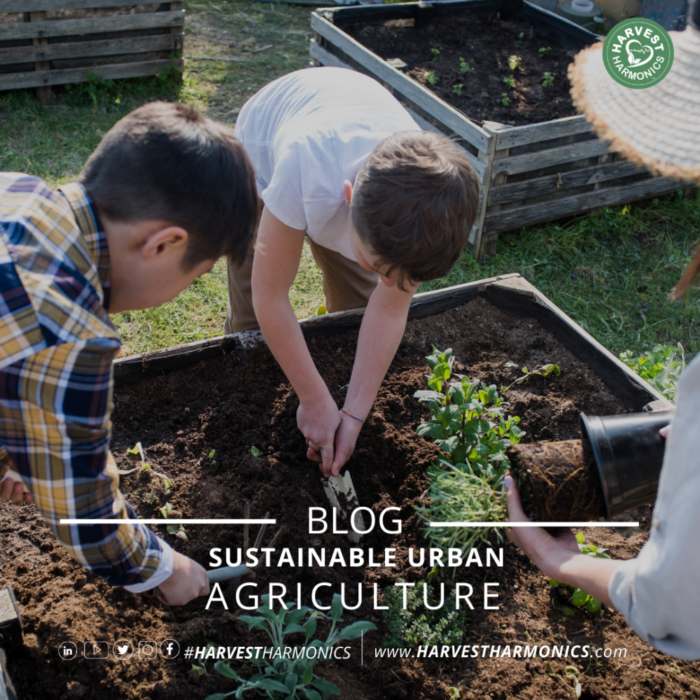
Sustainable Urban Agriculture
Sustainable urban agriculture seeks to provide safe food through the sustainable intensification of space and biodiversity, soil and water resources to obtain higher yields in the short, medium and long term.
Around 15 percent of the world’s food is now grown in urban areas. According to the U.N. Food and Agriculture Organization (FAO), urban farms already supply food to about 700 million residents of cities, representing about a quarter of the world’s urban population. And by 2050, almost 80 percent of the world’s population is projected to reside in urban areas (Nick, 2022).
It involves the use of appropriate management practices and technologies, applying production methods and systems that optimize yields, maintaining and developing the locally available resource base.
For this, it develops technologies appropriate to the agroclimatic, social, cultural and economic conditions of intra and peri-urban farmers, promoting good practices that include the fair and equitable distribution of the costs and benefits associated with production. In this way, it contributes to reducing inequalities in access to resources and inputs that tend to limit the development of many farmers, especially the poorest.
Agriculture in the cities is practiced by intra-urban farmers, generally people with limited resources who produce for self-consumption and the commercialization of small surpluses obtained by cultivating and raising animals in small plots or spaces (in their homes or in community or group gardens) that do not exceed a few square meters, and who are located within cities. It is also practiced by peri-urban farmers, often family members and with a certain agricultural tradition, who produce for the market in larger plots located on the urban periphery that are usually measured in hectares.
Nowadays there are agreements for sustainable urban agriculture practices, one of which is The Milan Pact.
The Milan Urban Food Policy Pact is an international agreement of Mayors. It is more than a declaration; it is a concrete working tool for cities. It is composed of a preamble and a Framework for Action listing 37 recommended actions, clustered in 6 categories. For each recommended action, there are specific indicators to monitor progress in implementing the Pact. The Milan Pact Awards offer concrete examples of the food policies that cities are implementing in each of the 6 Pact categories. Actually, there are more than 240 signatory cities worldwide (MUFPP, 2022).
One of the main limitations that both intra- and peri-urban farmers must overcome is the sustainable management of pests and diseases that cause losses in yields and product quality, before, during and after the harvest. Therefore, a timely management of pests and diseases will benefit them with a more efficient production, at a lower cost, safer for their health and that of their families and respectful of the environment, urban environments and their communities.
A great way to continue contributing to sustainable agriculture is with Kyminasi Plants Crop Booster technology, which has a small size device designed for gardens that can work perfectly for sustainable urban agriculture. With our technology, the production and quality of fruits and vegetables will increase, in addition to improving plant resistance to pests, producing healthy fruits and vegetables and healthy plants.
If you would like to know more about our technology, contact us on our website www.harvestharmonics.com
Sources:
Millan Urban Food Policy Pact (MUFPP). (2022). Local solutions for global issues. Website: https://www.milanurbanfoodpolicypact.org/
Nick, E. (2022). 26 Inspiring Urban Agriculture Projects. Foodtank: the think tank for food. Website: https://foodtank.com/news/2015/07/urban-farms-and-gardens-are-feeding-cities-around-the-world/
Press Room
Agricultural Technology for Farmers in India
Harvest HarmonicsTM New Biophysics Agricultural Technology For Farmers In India The Agricultural Biophysics technology, 20…
1
Organic Earth Tech, OETI, Launches One Million Dollar Technology
After hurricanes Maria and Irma, Puertorrican farmers are yet to receive the needed aid to recover. Organic Earth Tech…
0
Produce More From Less
CEO Harvest Harmonics Frank Arlia speaking at Replenish. Earth interview by Tia Kansara – London Climate Action Week. How…
0
Replenish Earth and the Environmental RE Talk Series
Replenish Earth and the environmental RE Talk Series event that reunited the top thinkers in the world Harvest Harmonics…
1
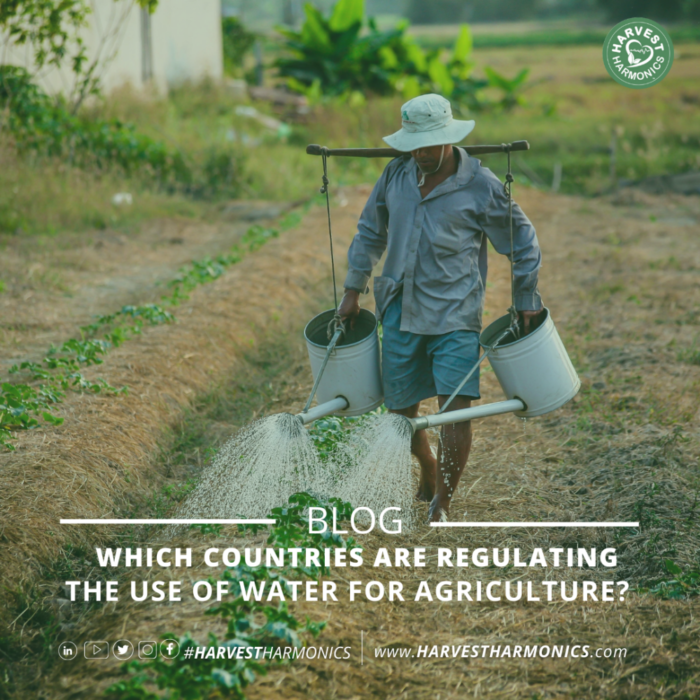
Which countries are regulating the use of water for agriculture?
Mars looks scary. For some people, the red planet is the object of study, some others even want to go and live there. The main requirement to make that adventure possible is not to find gold, oil, or oxygen. The major concern is finding water. This molecule has many characteristics that make it not only unique but necessary to life.

The search for enough water is one of the challenges in Mars’ expeditions plans
Philosophy aside, water plays a major role in agriculture, as it is a primally resource, together with sunlight, of a good part of the crops grown worldwide (for example: hydroponics doesn’t need sunlight). Approximately, only 1 in every 5 farmers around the globe use irrigation systems. This might seem like a small number, but the World Bank (2022) disagrees:
Water is a critical input for agricultural production and plays an important role in food security. Irrigated agriculture represents 20 percent of the total cultivated land and contributes 40 percent of the total food produced worldwide.
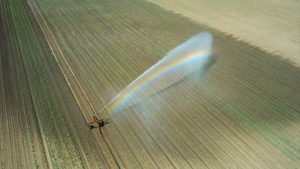
Farms that use irrigation can be more productive
Furthermost, irrigation plays a significant part in mechanized farming operations’ efficiency:
Irrigated agriculture is, on average, at least twice as productive per unit of land as rainfed agriculture, thereby allowing for more production intensification and crop diversification. (Ibid)
This efficiency that allows all of us to eat comes with a cost:
Currently, agriculture accounts (on average) for 70 percent of all freshwater withdrawals globally (and an even higher share of “consumptive water use” due to the evapotranspiration of crops). (Ibid)
The direct consequence of this water usage volume is that farmers are struggling to find reliable water sources, increasing the cost of producing food. Also, authorities in many countries are imposing laws and regulations to reduce the amount of water used in agriculture.
Production of the national food supply represents one critical use for water in the U.S.
(California Department of Water Resources, 2020)
Countries regulating the use of water for agriculture:
- Italy: authorities ordered that fruit trees and poplars no longer be watered in the region around the Sesia river. The saved water will be used to irrigate rice crops.
- Portugal: several towns in southern Portugal have already activated an emergency plan to reduce the irrigation of crops in 1800 farms.
- Spain: the water demand keeps growing in the third-largest European agricultural producer. At least one-fifth of the land is still irrigated using unsustainable methods.
How can farmers stay productive?

Fresh water is a limited resource, it’s needed for plenty of industrial processes. Agtech plays an important role in aiding farmers to increase efficiency and lower costs. Markets show an increase in alternatives to save water and keep farms profitable.
- Knowledge is key: a careful reading of the regulations will provide farmers with tools to understand and play by the rules without jeopardizing their operations success.
- Search for help: sharing experiences with other farmers, especially when it comes to technology, can give solutions according to each case’s needs. Harvest Harmonics offers a free cost-benefit analysis service to the readers of this post.
- R&D: some governments offer grants to those farms that use new technologies or strategies to reduce water usage. If you are in California, you can read about funding agricultural water use efficiency projects in the section “Cool resources” 👇🏻.
We are living changing times. The most important thing is to take care of those that matter and keep them safe, so no one would have to think of Mars as their new home. What do you think about these regulations? Are they being fair to farmers? We would love to read your opinion!
Harvest Harmonics with their Kyminasi Plants Crop Booster can help you, our farmers and our world in different kind of manners: Faster Soil Water Infiltration, Reduction of Excessive Soil Electrical Conductivity, Reduction or Savings in water and at the same time, Increase in Yields, Savings in Fertilizer, Increase in Brix Levels and Pest Resistance, all together. Connect with Harvest Harmonics’ social networks.
Cool resources:
- World Bank Infographic about irrigation
- Harvest Harmonics Cost – benefit analysis
- Agriculture Water Use Efficiency (ca.gov)
Sources and more to reed:
OECD_Food_Ag_Fisheris_Paper.pdf (fao.org)
Agricultural Water Use, EnviroAtlas National Data Fact Sheet, January 2014 (epa.gov)
Water in Agriculture (worldbank.org)
Press Room
Agricultural Technology for Farmers in India
Harvest HarmonicsTM New Biophysics Agricultural Technology For Farmers In India The Agricultural Biophysics technology, 20…
1
Organic Earth Tech, OETI, Launches One Million Dollar Technology
After hurricanes Maria and Irma, Puertorrican farmers are yet to receive the needed aid to recover. Organic Earth Tech…
0
Produce More From Less
CEO Harvest Harmonics Frank Arlia speaking at Replenish. Earth interview by Tia Kansara – London Climate Action Week. How…
0
Replenish Earth and the Environmental RE Talk Series
Replenish Earth and the environmental RE Talk Series event that reunited the top thinkers in the world Harvest Harmonics…
1

What if you had to cut your nitrogen by 50%?
Nitrogen is the main limiting nutrient after carbon, hydrogen and oxygen for photosynthetic process, phyto-hormonal, proteomic changes and growth-development of plants to complete its lifecycle. Excessive and inefficient use of N fertilizer results in enhanced crop production costs and atmospheric pollution. Atmospheric nitrogen (71%) in the molecular form is not available for plants. For the world’s sustainable food production and atmospheric benefits, there is an urgent need to upgrade nitrogen use efficiency in agricultural farming system. Nitrogen use efficiency is the product of nitrogen uptake and utilization efficiency, it varies from 30.2 to 53.2%. Nitrogen losses are too high due to excess amount, low plant population, poor application methods etc., which can go up to 70% of total available nitrogen (Anas et al., 2020).
Frink et al. (1999) stated that nitrogen (N) plays an important role in crop plants. It is involved in various critical processes such as growth, leaf area-expansion and biomass-yield production. Various plant molecules such as amino acids, chlorophyll, nucleic acids, ATP and phyto-hormones, that contains nitrogen as a structural part, are necessary to complete the biological processes, involving carbon and nitrogen metabolisms, photosynthesis and protein production.
Anas et al. (2020) mentioned that insufficient amount of N available to plants can hinder the growth and development. Nitrogen can also improve root growth, increase the volume, area, diameter, total and main root length, dry mass and subsequently increase nutrient uptake and enhance nutrient balance and dry mass production.
Worldwide high nitrogen fertilizer application results in economic loss and ecological hazardous due to extra consumption of resources, water eutrophication, and high rate of greenhouse gas emissions along with potential leaching. The inefficient N utilization with poor transformation of provided N results in unintentional fertilizer loss in soil, atmosphere and promoting contamination of groundwater, distort connecting biological communities and cause dangerous atmospheric deviation, through the emission of the poisonous ozone depleting substance nitrous oxide (Galloway et al., 2008), eutrophication, air pollution, N leaching, water pollution, soil acidification and soil degradation which is not suitable for environment friendly crop production and human life (Anas et al. 2020)
The whole fertilizer issues back in February when started to becoming a really issues for farmers even before the main season and all the atmosphere, that was even before Rusia and Ukraine conflict started around that time. The conflict doesn’t go away, even if the conflict ended yesterday, the reply effects of that conflict and the related with it will continue against Russia and everything related with this reply effect of fertilizer usage (Kurtz, 2022).
It is interesting to see how people react to this type of problem. One problem you can look like a claimed issue, let’s ask us, what does farming or agriculture play in global warming, environmental problems, etc., and how we will deal with these kinds of things. (Kurtz, 2022)
We think that there is a lot of pressure by certain groups to really move this really forward fast now, making fast reaction governments around the world in turns of environmental policies. One of these policies measurements is the fact that farmers have to reduce their nitrogen usage with numbers as 50%, this dramatically cut the food production which is translated as people being hungry (Kurtz, 2022).
When you force somebody to do something and you don’t have an available solution, a replacement to help them, this means a lot of farmers just can’t be able to survive doing things in a different way. So, one excellent solution is the Kyminasi Plants Crop Booster technology: this technology was developed for environmental prospective; actually, it was developed for two reasons: 1) To make human food healthier, it means reduce the among of chemicals, that includes nitrogen to growing food so people could be healthier, have a more nutritious body and, 2) reduce environmental impact, reduce nitrogen emissions, chemical emissions, poisoned soils and poisoned environment (Kurtz, 2022).
Farmers need help with these new policies and measurements and Kyminasi Plants Crop Booster is one of the best to help them. If you are a farmer, answer this question for you or let us know: would you like to reduce input cost, reduce fertilizer use and produce better quality crops and comply with the government’s regulations?
We are Harvest Harmonics and we want you to be part of the future of agriculture today. We are revolutionizing the agriculture industry worldwide.
Sources:
Anas, M., Liao, F., Verma, K.K. et al. (2020). Fate of nitrogen in agriculture and environment: agronomic, eco-physiological and molecular approaches to improve nitrogen use efficiency. Biol Res 53, 47. https://doi.org/10.1186/s40659-020-00312-4
Frink CR, Waggoner PE, Ausubel JH (1999). Nitrogen fertilizer: retrospect and prospect. Proc Natl Acad Sci. 1999;96:1175–80.
Galloway JN, Townsend AR, Erisman JW, Bekunda M, Cai Z, Freney JR, Martinelli LA, Seitzinger SP, Sutton MA (2008). Transformation of the nitrogen cycle: recent trends, questions, and potential solutions. Science. 2008;320:889–92
Kurtz, J (2022). What if you had to cut your nitrogen by 50%? [Webinar]. Harvest Harmonics Corp. https://youtu.be/tNwkeCsj4wA
Press Room
Agricultural Technology for Farmers in India
Harvest HarmonicsTM New Biophysics Agricultural Technology For Farmers In India The Agricultural Biophysics technology, 20…
1
Organic Earth Tech, OETI, Launches One Million Dollar Technology
After hurricanes Maria and Irma, Puertorrican farmers are yet to receive the needed aid to recover. Organic Earth Tech…
0
Produce More From Less
CEO Harvest Harmonics Frank Arlia speaking at Replenish. Earth interview by Tia Kansara – London Climate Action Week. How…
0
Replenish Earth and the Environmental RE Talk Series
Replenish Earth and the environmental RE Talk Series event that reunited the top thinkers in the world Harvest Harmonics…
1
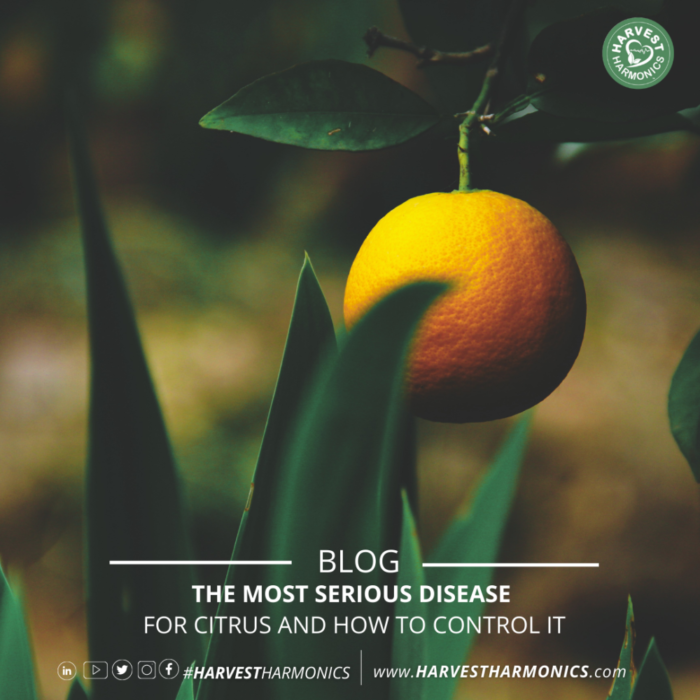
The Most Serious Disease For Citrus And How To Control It.
The HLB (Huanglongbing) or citrus greening is a disease spread by the Asian citrus psyllid (Diaphorina citri). It was first described in Asia in the early 1900s (USDA, 2021). Before it was identified as one disease, it became known by various names: yellow shoot (huanglungbin) in China; likubin (decline) Taiwan; dieback in India; leaf mottle in the Philippines; vein phloem degeneration in Indonesia; and yellow branch, blotchy-mottle, or greening in South Africa (Da Graqa, 1991). Citrus huanglongbing (HLB), or greening, is the most destructive citrus disease worldwide and is threatening the sustainability of the industry in major citrus-growing regions (Sheng et al., 2020).
Symptoms of HLB can occur throughout the tree, especially if the infection occurs at or soon after propagation (McClean, 1970), it includes blotchy mottle leaves, stunted growth, reduced fruit size, premature fruit drop, corky veins, and root decline. HLB eventually causes tree death (USDA, 2021). Da Graga (1991) mentions that, generally, leaf symptoms are of two types: Primary, which are characterized by yellowing of normal-sized leaves along the veins and sometimes by the development of a blotchy-mottle; and secondary, where the leaves are small, upright, and show a variety of chlorotic patterns resembling those induced by zinc and iron deficiencies. Analysis of symptomatic leaves shows a higher potassium content and lower calcium, magnesium, and zinc concentrations.
Infected fruits are small, lopsided, and have a bitter taste (McClean, 1970), Kapur et al. added that it was probably because of higher acidity and lower sugars. Many fall prematurely, while those that remain on the tree do not color properly, remaining green on the shaded side (155), hence the name of the disease. Any seeds in severely affected fruit are often abortive (McClean, 1970).
There is no cure for this disease once a tree is infected. While the disease poses no threat to humans or animals, it has devastated millions of acres of citrus production around the world, including in the United States. According to USDA (2021), the first detection of HLB in the United States occurred in Florida in 2005. Since 2005, HLB has spread through the citrus-producing areas in Florida, reducing citrus production by 75%, while more than doubling the cost of production. In 2008, HLB was detected in Louisiana, and in 2009, the disease was detected in Georgia and South Carolina. In 2012, HLB was detected in Texas and residential areas of California. HLB has been known in Asia since 1900, and Africa since 1920. The first detection of HLB in the Americas was in Brazil in 2004.
Once a tree is infected with the bacteria, it can remain without detectable symptoms for months or years. During this symptomless phase, the tree can serve as a source of bacteria to infect other trees. Over time, an infected tree will start producing fewer fruit that are smaller, shaped irregularly, and taste bitter (USDA, 2021).
To help to prevent citrus disease, to make the tree more resistant, some new ways are needed to try to help them, like technologies that could increase pest resistance. Kyminasi Plants Crops Booster is one of these technologies that could increase pest resistance and benefit the crops in other aspects such, better quality and yield.
SOURCES:
Da Graga, J. V. (1991). Citrus greening disease. Annu. Rev. Phytopathol. South Africa. nnual Reviews Inc. 29:109-36
Kapur, S. P., Kapoor, S. K.0 Cheema, S. S., Dhillon, R. S. 1978. Effect of greening disease on tree and fruit characters of Kinnow mandarin. Punjab Horticult. J. 18:176-79 (Horticult. Abstr. 50:470)
McClean, A. P. D. 1970. Greening disease of sweet orange: its transmission in propagative parts and distribution in partially diseased trees. Phytophylactica 2:263 68
McClean, A. P. D., Schwarz, R. E. 1970. Greening of blotchy-mottle disease of citrus. Phytophylactica 2:177-94
Sheng l., Feng W., Yongping D., Singerman A., Guan Z. (2020). Citrus Greening: Management Strategies and Their Economic Impact. American Society for Horticultural Science. 55-5. https://doi.org/10.21273/HORTSCI14696-19
USDA (May 20, 2021). Citrus Greening. USA. Animal and Plant Health Inspection Service U.S. DEPARTMENT OF AGRICULTURE. URL: https://www.aphis.usda.gov/aphis/ourfocus/planthealth/plant-pest-and-disease-programs/pests-and-diseases/citrus/citrus-greening
Press Room
Agricultural Technology for Farmers in India
Harvest HarmonicsTM New Biophysics Agricultural Technology For Farmers In India The Agricultural Biophysics technology, 20…
1
Organic Earth Tech, OETI, Launches One Million Dollar Technology
After hurricanes Maria and Irma, Puertorrican farmers are yet to receive the needed aid to recover. Organic Earth Tech…
0
Produce More From Less
CEO Harvest Harmonics Frank Arlia speaking at Replenish. Earth interview by Tia Kansara – London Climate Action Week. How…
0
Replenish Earth and the Environmental RE Talk Series
Replenish Earth and the environmental RE Talk Series event that reunited the top thinkers in the world Harvest Harmonics…
1
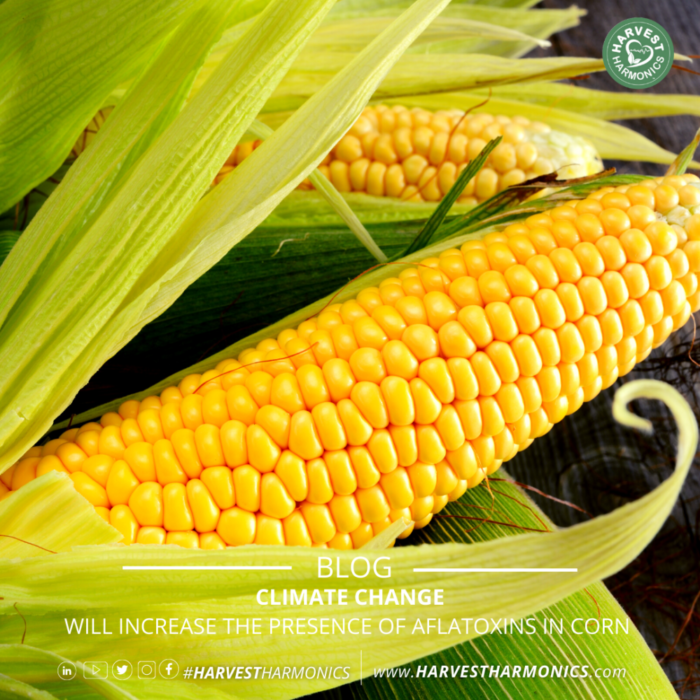
Climate Change Will Increase the Presence of Aflatoxins in Corn
A study carried out in the United States projects risky levels of this type of toxin for the period between 2031 and 2040 (Niklas, 2022).
Changes in the climate will abandon the global food production market: This is reflected in a recent investigation carried out by the Michigan State University (MSU). The document will warn about the increase in the levels of aflatoxins present in North American corn due to climate change. This is mainly explained by the alterations that food can suffer from climate variations, which, according to the document, will increase the loss of fungi that produce this type of toxin in corn (Niklas, 2022).
The study modeled the impact of rising temperatures and advancing dry weather conditions that have been projected in certain regions of the United States for decades to come. And it is that the characteristics of that type encourage the spore of aflatoxin-producing fungi to become airborne, which increases their chances of contaminating crops (Niklas, 2022).
The fungi Aspergillus flavus and Aspergillus parasiticus are producers of aflatoxin, a microtoxin that can infect peanuts, walnuts and corn, not only degrading the quality of crops, but also causing health problems for humans and animals (Niklas, 2022).
The study projected an increase in the risk of the presence of aflatoxins between the years 2031-2040 due to the increase in temperature that North American corn-producing regions may experience during those years. Thus, the investigation indicated that, for that period of time, 89.5% of the counties belonging to corn-producing states will be exposed to a greater amount of aflatoxins. Specifically, 5.3% of those counties are expected to experience a 1% increased risk of increased susceptibility to these types of toxins (Niklas, 2022).
Although cases associated with the presence of aflatoxins in corn fields are currently limited to the southern states of North America, changes in the climate of that country could push the problem to the Corn Belt. According to the study, Niklas (2022) mentioned that this could cause “alterations in the national and world corn markets, increasing the expected economic impact.”
Thus, it is expected that in the future the production of corn crops may be displaced to more extreme regions of the north or south of the country, where the climate is cooler and more humid, which could reduce the risks of aflatoxins in crops. However, this could affect the culture of exploitation that has been developed over generations in states with traditional corn production (Niklas, 2022).
Finally, Niklas (2022) stated that the document highlights the need for a plan to mitigate the risk that the increase in aflatoxins in North American corn can bring. In addition, the use of irrigation is emphasized as a strategy to reduce the risk of aflatoxins, since this technique reduces the stress related to the effects produced by water scarcity in corn, such as fungal infections. In addition, researchers are already using conventional and biotechnological farming techniques to develop crops that are more resistant to drought, insect damage, and the aforementioned fungal infections.
An excellent biotechnological option is the Kyminasi Plant Crop Booster system, which is a technology that applies biophysics to crops and allows calibrating or fine-tuning the signals of plant cells to obtain a better performance and improve photosynthesis as well as the soil system and its beneficial microorganisms.
The Kyminasi Plant Crop Booster technology would benefit all those vegetable, fruit and flower growers to realize an environmentally friendly, sustainable agriculture because it could reduce the use of fertilizers and optimize the use of irrigation water.
If you would like to know more about our technology, contact us on our website www.harvestharmonics.com
Source:
Niklas, R. (May 9, 2022) Cambio climático aumentará la presencia de aflatoxinas en maíz Red Agrícola. https://www.redagricola.com/cl/cambio-climatico-aumentara-la-presencia-de-aflatoxinas-en-maiz/#:~:text=El%20estudio%20proyect%C3%B3%20un%20aumento,ma%C3%ADz%20norteamericano%20durante%20esos%20a%C3%B1os.
Edit by: Mariangel Rodríguez
Press Room
Agricultural Technology for Farmers in India
Harvest HarmonicsTM New Biophysics Agricultural Technology For Farmers In India The Agricultural Biophysics technology, 20…
1
Organic Earth Tech, OETI, Launches One Million Dollar Technology
After hurricanes Maria and Irma, Puertorrican farmers are yet to receive the needed aid to recover. Organic Earth Tech…
0
Produce More From Less
CEO Harvest Harmonics Frank Arlia speaking at Replenish. Earth interview by Tia Kansara – London Climate Action Week. How…
0
Replenish Earth and the Environmental RE Talk Series
Replenish Earth and the environmental RE Talk Series event that reunited the top thinkers in the world Harvest Harmonics…
1