Food Safety and its Relationship with Technology
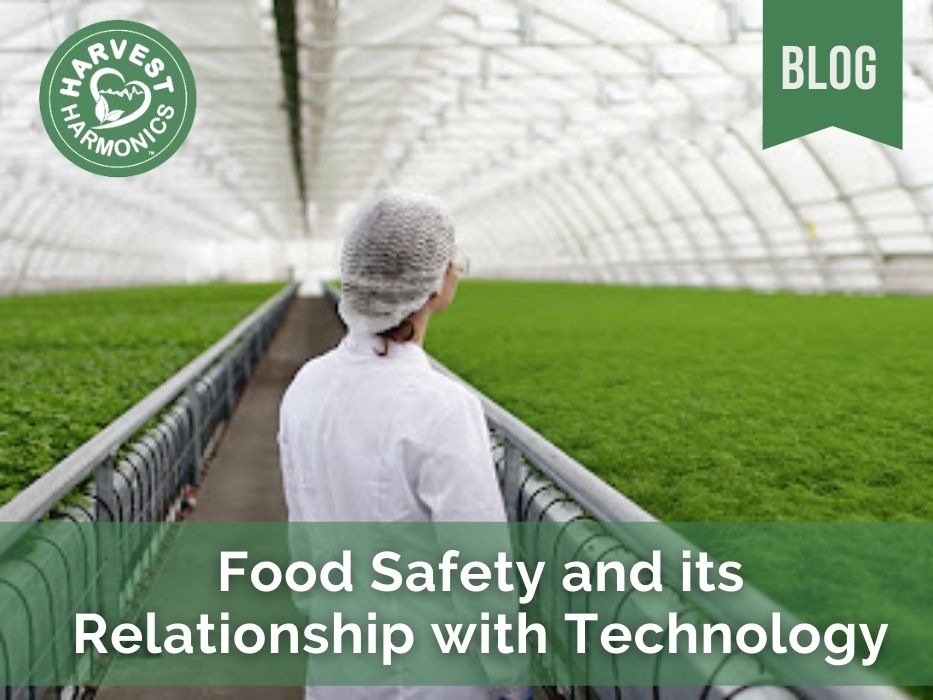
Today, food safety is an issue that affects the entire production and logistics chain in the food industry. With globalization, food travels thousands of kilometers and can carry contagion of dangerous diseases.
However, there is an aspect that is little discussed and yet, in recent times, has been acquiring greater importance. Despite all the traceability standards, hygiene and safety rules that farmers can implement in their fields, food security is also affected by the large amount of agrochemicals used in traditional agriculture.
Many farmers are transitioning to less invasive production systems, moderating applications, jointly using organic products or opting for a radical change and converting their fields to organic production zones.
However, this comes at a cost. The conversion from conventional to organic crops, for the most part, represents a setback at least for a time, since the entire system must adapt to this new strategy, soils are often deficient in nutrition and pests require a completely different management. This often means a higher cost and a decrease in productivity in the short term.
Technology provides tools that support the development of new strategies in agriculture, thus allowing us to explore the changes necessary to meet the demands of today’s consumers.
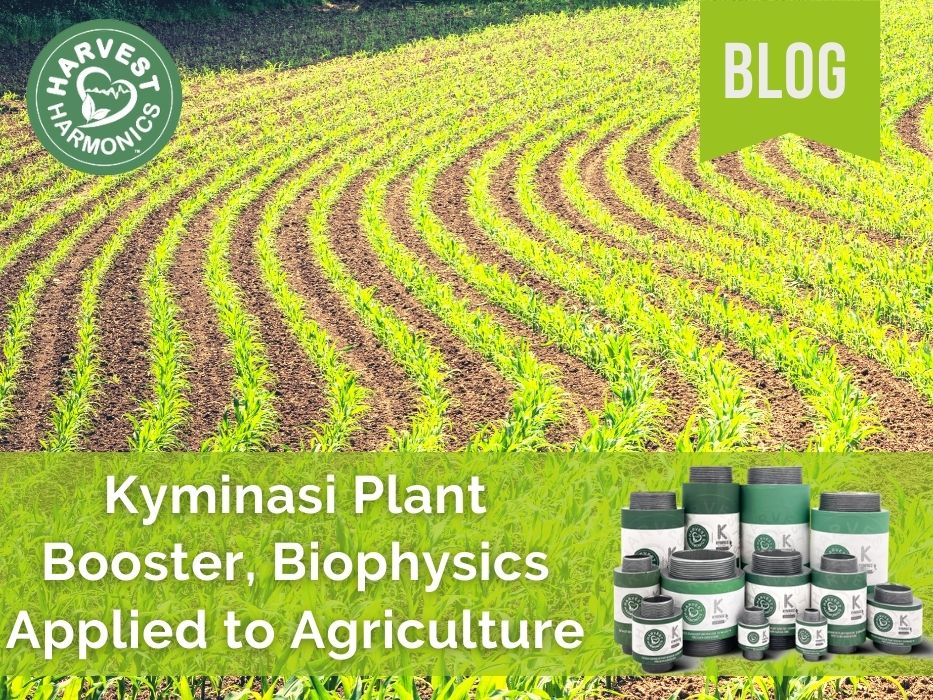
Kyminasi Plant Booster enters this scene with an innovative proposal that allows reducing the use of chemical fertilizers and pesticides, while maintaining or even increasing production. Its frequency system allows the plant to utilize the nutrients and water more efficiently, aligning itself with its full potential. In this way, farmers can reduce the need for external support, promoting more abundant crops and more vigorous plants.
Kyminasi Plant Booster works hand in hand with all the efforts made to achieve healthy products, supporting the reduction of the use of pesticides and promoting a safer agriculture, both for the consumer, as well as for the farm workers and communities.
By Arantza Castro
Press Room

Agricultural Technology for Farmers in India
Harvest HarmonicsTM New Biophysics Agricultural Technology For Farmers In India The Agricultural Biophysics technology, 20…
1

Organic Earth Tech, OETI, Launches One Million Dollar Technology
After hurricanes Maria and Irma, Puertorrican farmers are yet to receive the needed aid to recover. Organic Earth Tech…
0

Produce More From Less
CEO Harvest Harmonics Frank Arlia speaking at Replenish. Earth interview by Tia Kansara – London Climate Action Week. How…
0
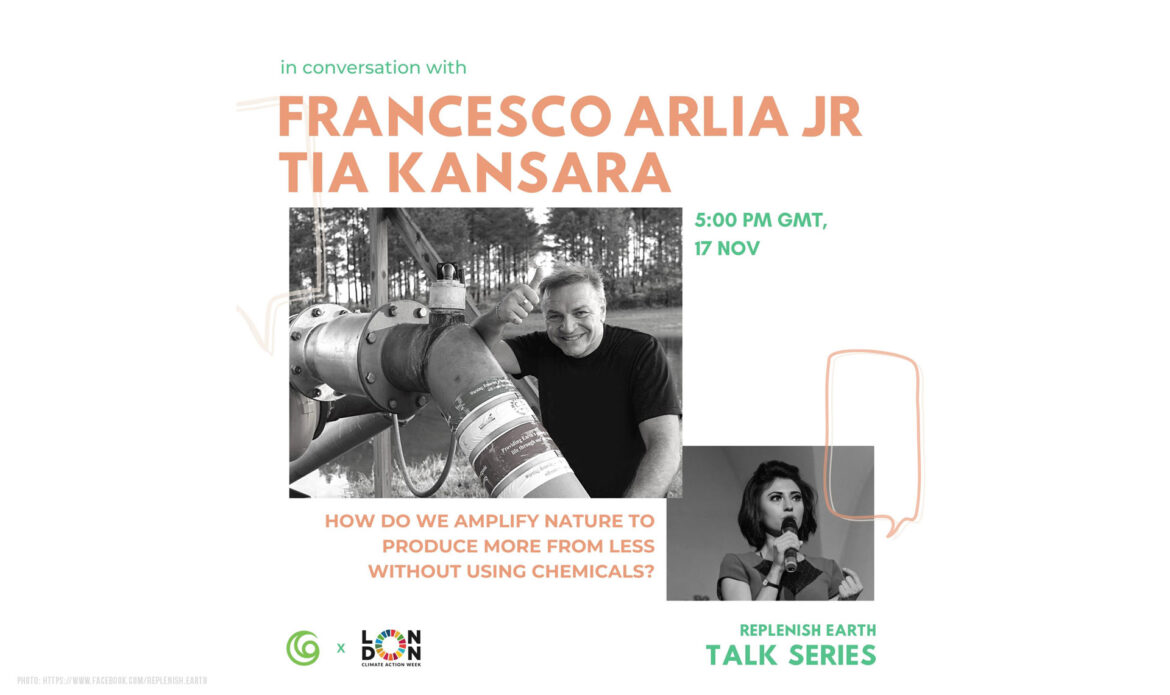
Replenish Earth and the Environmental RE Talk Series
Replenish Earth and the environmental RE Talk Series event that reunited the top thinkers in the world Harvest Harmonics…
1
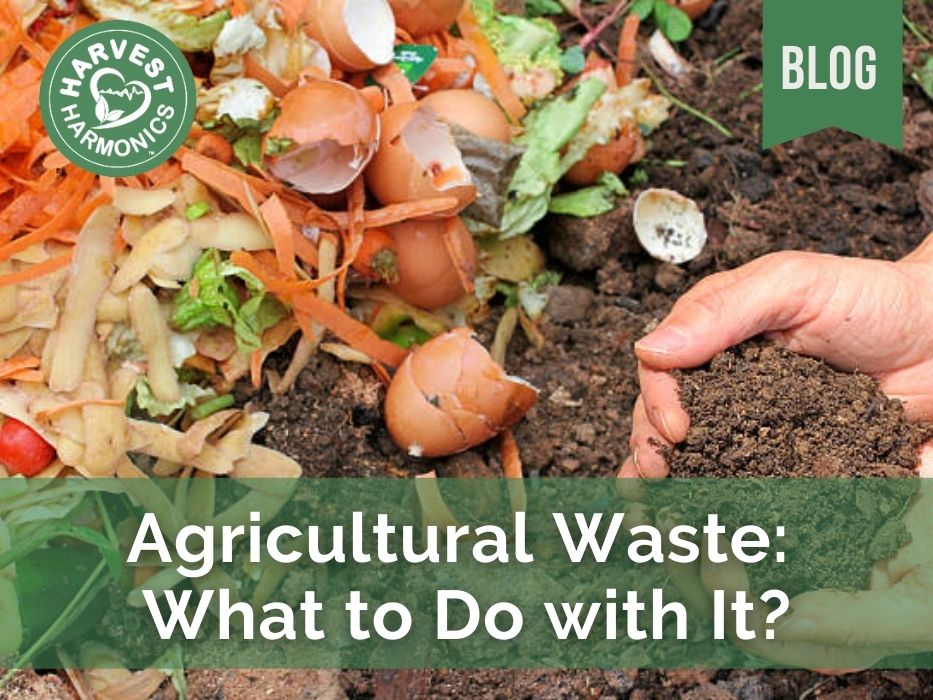
Agricultural Waste: What to Do with It?
Agricultural residuals
The agricultural sector is increasingly technical and industrialized, and that generates a large amount of agricultural waste. Whether it is protection materials, plastic sheets for greenhouses, plastics to cover grass, cans of phytosanitary products, oils and motor elements, water and fertilizers, etc; all of them end up being agricultural waste.
In this post, we are going to talk about what agricultural waste is, what types are there, what problems they entail if they are not managed correctly, and what alternatives and solutions there are to be able to do it properly.
What are agricultural residues?
They are all those products generated as a consequence of the food production process in agricultural and livestock farms, including the transformation units.
The agricultural and livestock sector is very diverse and this means that, compared to other more specific professional sectors, there are a large number of products that end up being waste.
There are several types of agricultural waste depending on its material and subsequent management.
Compostable or naturally occurring agricultural waste:
Recyclable or naturally occurring waste is multiple and falls into the category of least problematic agricultural waste. All of them can be used on the same farm or recycled in recycling plants to reuse them.
An example of this is all the pruning or cultivation waste, slurry and manure, animal remains, cardboard sacks, wooden pallets, serums from cheese factories, etc.
Non-recyclable agricultural or industrial waste:
Non-recyclable waste is all agricultural waste that is used as construction elements, mechanization, transport, livestock protection elements, etc. All these wastes are the most problematic and difficult to manage, since they are usually bulky and cannot be reused or recycled.
Examples of non-recyclable waste are plastic sheeting for silage or greenhouse, all kinds of shading or anti-stone nets, tires and machinery, metal structures for fences or covers, workshop oils, irrigation hoses, etc.
Hazardous agricultural waste:
Within agricultural waste there is the category of hazardous waste for the environment. This type of waste is all those related to phytosanitary products or fertilizers that can become a very serious problem if they are not managed correctly and end up burning or leaking into groundwater or the air.
An example of this is all the containers of phytosanitary products, acids, fertilizers, the dirty water from the cleaning of the machines that are used to apply the chemical products, and all the containers of medicines, antibiotics or detergents that are used for cleaning the facilities. In this sense, it is important to comply with the regulations and register phytosanitary actions.
Problems and difficulties in managing agricultural waste
Agricultural waste is a problem for all ranchers and farmers since the responsibility for its management depends directly on who generates this waste.
There are several problems around this waste:
- Pollution: burning waste or mismanaging the remains of phytosanitary products pollute the air or aquifers and can seriously alter ecosystems.
- Generic waste regulations: except for some agricultural waste such as the carcasses of dead animals or the packaging of phytosanitary products, the rest of this type of waste does not have its own regulations that facilitate its management. This is a problem for farmers since, depending on the type of agricultural waste, a specific waste manager must be hired.
- Few more sustainable alternatives: there are still no economic alternatives for biodegradable materials that fulfill the same function as plastic elements. This fact makes it very difficult to reduce non-recyclable waste.
- Little training in the sector regarding the management of agricultural residues.
- Recommendations for the management and treatment of waste in agriculture
- Although for most farms this waste is a problem, let’s see what solutions or alternatives there are to reduce it on our farm.
Waste management and treatment
- Opt for organic farming, since it is the production system that generates less waste and with more added value in its products.
- Use materials of natural origin such as wood in structures or fences or very durable materials that do not deteriorate very easily.
- Replace the anti-grass plastic tarps with biodegradable tarps or straw mulches or shredded pruning debris.
- Choose to buy all the cardboard or paper sacks in the materials that it is possible to use.
- Grouping into cooperatives or associations to have good advice on agricultural waste management and provide infrastructure for this purpose.
By Arantza Castro
Press Room
Agricultural Technology for Farmers in India
Harvest HarmonicsTM New Biophysics Agricultural Technology For Farmers In India The Agricultural Biophysics technology, 20…
1
Organic Earth Tech, OETI, Launches One Million Dollar Technology
After hurricanes Maria and Irma, Puertorrican farmers are yet to receive the needed aid to recover. Organic Earth Tech…
0
Produce More From Less
CEO Harvest Harmonics Frank Arlia speaking at Replenish. Earth interview by Tia Kansara – London Climate Action Week. How…
0
Replenish Earth and the Environmental RE Talk Series
Replenish Earth and the environmental RE Talk Series event that reunited the top thinkers in the world Harvest Harmonics…
1
Hormones as Intermediaries in the Assembly of the Vegetable Microbiome
Both the interior and exterior of plants are populated by specific microorganisms and often selectively assembled into huge communities, called microbiota. Among these are bacteria and fungi, with neutral, beneficial or pathogenic interactions between them, forming the microbiome.
The adaptable effects of the plant microbiome can be divided into two: Improving the environmental adaptability and fitness of plants through protection against abiotic or biotic stress, as well as promoting the supply of water and nutrients and aiding the development of the plant’s root system, stimulating the growth of the lateral roots and the formation of its hairs, which improve accessibility to water and nutrients.
So, how do plants attract beneficial microbiota? Within colonized areas, plants and their microbial communities strongly influence each other, and various mechanisms have been described about how they carry out this communication. Chemical signaling contributes greatly to antagonistic (antimicrobial metabolites) or mutualistic (probiotics) microbe-microbe interactions. We also find primary and secondary metabolites produced and exuded by plants can selectively attract or repel some members of microbial communities. And vice versa, microbial metabolites can alter the development of plants and their responses to environmental signals.
Plants have developed mechanisms to “shape” such communities, to exploit the microbiomes as a genetic resource, expanding their capacities to cope with changing environmental conditions. For example, certain foliar pathogens promote the secretion of metabolites in the roots to modify the composition of the microbiota, to recruit beneficial microorganisms that activate the defenses against these foliar invaders.
But in all this process of plant-microbiota interactions, plant hormones assume a central role, since they are the chemical messengers involved in important cellular and physiological processes, signaling processes and microbial adaptation to their hosts.
What are the effects of plant hormone signaling on the plant microbiome?
It is necessary to look back at the origin and evolution of plant-microorganism interactions, to understand the hormonal role in the configuration of the microbiome. Terrestrial colonization implied the need to acquire nutrients without a root system. In this process of transition to the terrestrial environment, beneficial symbionts played a very important role. Hormone signaling in early plants and their participation in plant-microorganism interactions positions hormones as key tools in regulating the symbiosis and assembly of the microbiome.
Plants and microorganisms have co-evolved using various strategies to communicate and interact with each other. From a plant perspective, it is a balancing act. Plants invest significant resources, such as nutrients, to create an attractive rhizospheric habitat for microorganisms, which carries the risk of wasting expensive resources on ineffective or even harmful microorganisms. Therefore, it is crucial that plants have selective mechanisms to have some control over access to the resource-rich rhizosphere and the balance of these interactions.
For plants, hormones represent effective mediators to adapt to environmental stimuli and coordinate complex developmental processes. As a kind of common chemical language, hormones have become intermediaries of microorganisms and plants to implement the conditions for the establishment of niches in the rhizosphere and facilitate the adaptation of the specific host.
By enhancing the natural metabolism of plants, the Kyminasi Plant Booster provides the energy the plant needs to produce and utilize these hormones, while still having enough to create a greater quantity and quality of fruits and vegetables.
By Arantza Castro
Press Room
Agricultural Technology for Farmers in India
Harvest HarmonicsTM New Biophysics Agricultural Technology For Farmers In India The Agricultural Biophysics technology, 20…
1
Organic Earth Tech, OETI, Launches One Million Dollar Technology
After hurricanes Maria and Irma, Puertorrican farmers are yet to receive the needed aid to recover. Organic Earth Tech…
0
Produce More From Less
CEO Harvest Harmonics Frank Arlia speaking at Replenish. Earth interview by Tia Kansara – London Climate Action Week. How…
0
Replenish Earth and the Environmental RE Talk Series
Replenish Earth and the environmental RE Talk Series event that reunited the top thinkers in the world Harvest Harmonics…
1
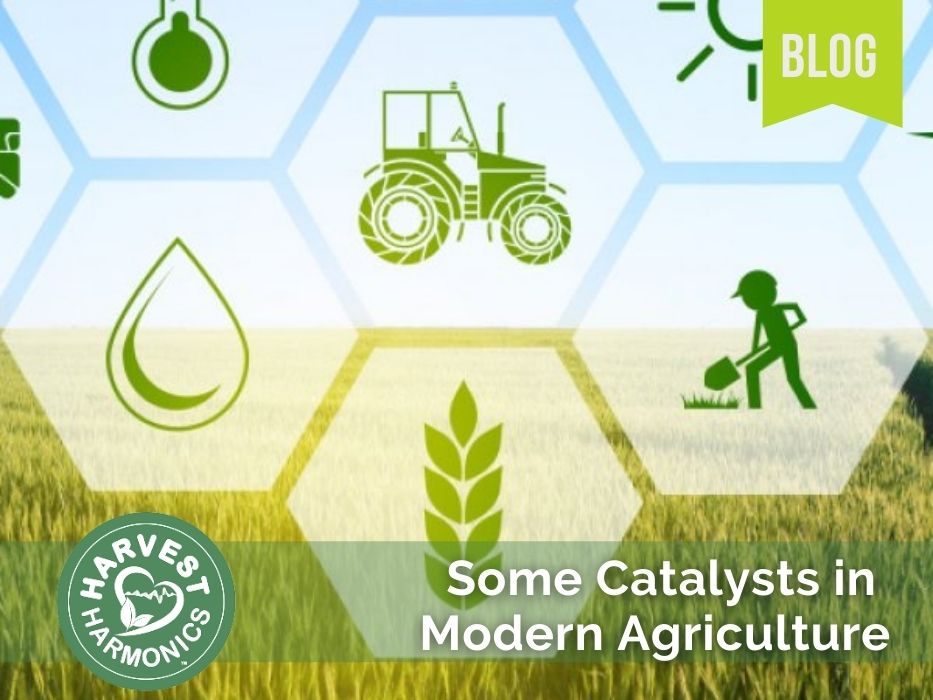
Some Catalysts in Modern Agriculture
Human beings, in their eagerness to improve crops, do research with the purpose of improving what nature already does.
In the agriculture business, there is always the expectation of improving crop production in order to yield more and better food.
A metabolic catalyst is a substance or technology in the acceleration of chemical, physiological or metabolic processes to achieve better and faster results.
A catalyst is a substance, impulse or action that, by participating in a chemical or physical reaction, is capable of increasing the reaction rate without being consumed in the process. Catalysts speed up reactions by lowering the activation energy or by changing the mechanism of the activation. Catalysts can be physical (abiotic), organic (biotic) or mineral that can act independently.
Abiotic catalysts are those that have a physical action on microorganisms that act in the soil, participating in the mineralization processes of organic substances that keep nutrients immobilized and that require this help to release them and put them in the solution of the soil so that they are absorbed by the roots of the plant together with the water. These catalysts can be created simply by electric, magnetic or acoustic waves, which can be activated and energized by the excitation of the electrons of the atoms that are a constitutive part of soil microorganisms. When energized, they take less time to fulfill their function of mineralizing humic and fulvic substances: main components of organic matter.
Among the waves that can help in the development of plants, animals and humans, are the acoustic, which have unique properties in the creation of energy at the atomic level. From a photon, when it collides with the electrons of the components of living cells, it causes an uncontrollable alteration that, by acting inside the cells, can be transformed into other types of energies, which help in the acceleration of metabolism of living beings and, in the case of plants, photosynthesis and osmosis.
Some theses have been presented that point to the beneficial qualities of acoustic waves, such as music, with medicinal qualities on the human being, for example, reducing stress and strengthening the immune system.
The notion that the health of humans and animals can be fine-tuned through sound emphasizes the “frequency” nature of bodies, that is, the quality that is receptive to vibrations emitted by external forces, in this case, acoustic waves. The hypothesis that sound can harmonize the physical body and thus combat specific ailments or provide specific benefits has led to the fact that, at present, many therapies have been designed using sound waves. Certain radio frequencies have even been identified that directly influence different aspects of living beings.
There is talk of frequencies that encourage the cells to be healthy, others that cause stability in the circulation of chlorophyll, some that promote DNA regeneration and others that cause cells to be cleansed of toxic substances; many other benefits can be found.
On the other hand, an experiment was given to demonstrate the effect of electric waves on the behavior of plants. It was carried out in a rose greenhouse, which presented plants with a high state of stress, despite the fact that the soil analysis showed a good degree of fertility.
These electrical impulses were applied, after pruning, to the plants that presented an appearance of physiological dryness. Despite the fact that the soil contained water at the field capacity level, the treated rose plants showed a very good response to the treatment and it was very interesting to observe that they came out of their bad condition in a fairly reasonable period.
The conclusion reached with this experimental study, after several laboratory tests, was that the impulses emitted by this device acted as physical catalysts, producing an acceleration of the electrons of the atoms of plant cells, the same that produced an acceleration in the photosynthetic process and therefore in the general metabolism of the plant, taking it out of the lethargy in which they were.
By Arantza Castro
Press Room
Agricultural Technology for Farmers in India
Harvest HarmonicsTM New Biophysics Agricultural Technology For Farmers In India The Agricultural Biophysics technology, 20…
1
Organic Earth Tech, OETI, Launches One Million Dollar Technology
After hurricanes Maria and Irma, Puertorrican farmers are yet to receive the needed aid to recover. Organic Earth Tech…
0
Produce More From Less
CEO Harvest Harmonics Frank Arlia speaking at Replenish. Earth interview by Tia Kansara – London Climate Action Week. How…
0
Replenish Earth and the Environmental RE Talk Series
Replenish Earth and the environmental RE Talk Series event that reunited the top thinkers in the world Harvest Harmonics…
1
Energy as the fundamental motor for life’s development
Living beings are living energy that vibrates between each other. Each atom and molecule that compose them generates frequencies that are expressed in the environment where they live, without realizing that they are doing it.
Moreover, if we think about Earth, which is in constant motion, it generates an amount of energy and vibrations far beyond what we can imagine, which conceives, for example, day and night, winter and summer, heat and cold: fundamental factors for human, animal and plant life.
Likewise, energy does not exist “by itself”, matter is required so that it can be captured and transmitted; but, for matter to move, it needs vibrations, generated by energy. It contains information, which is the exchange of this energy and the result of the relationship between living beings and everything they have matter.
A living being not only contains matter and energy, but also creates emotions, which show them through joys, rages, frustrations, dreams and hopes, to name a few, transmitted through vibrations. In basic language, they are positive and negative energies. All of them come and go to the one who generates them; therefore, if you are going to transmit positive or negative vibrations, it is for sure that those will be returned, it is a universal law. Everything that the living being does and thinks requires energy that is accompanied by specific frequencies or information.
This also applies to plants: they feel, listen, interact and transmit energy at the time of their biological cycle. The plant undergoes positive and negative changes, which are affected by vibrations that have been generated by a certain energy. Consequently, they are capable of absorbing frequencies that will allow optimal functioning, efficient assimilation of nutrients and generate defenses against any event external to it.
Knowing what those exact frequencies are is what has been determined with Kyminasi Plant Booster technology and the application of biophysics in agriculture. This technology is based on the energy and positive frequencies that the plant requires to generate a healthy life and crops where the farmer can choose an option that takes care of the environment where they grow.
By Arantza Castro
Press Room
Agricultural Technology for Farmers in India
Harvest HarmonicsTM New Biophysics Agricultural Technology For Farmers In India The Agricultural Biophysics technology, 20…
1
Organic Earth Tech, OETI, Launches One Million Dollar Technology
After hurricanes Maria and Irma, Puertorrican farmers are yet to receive the needed aid to recover. Organic Earth Tech…
0
Produce More From Less
CEO Harvest Harmonics Frank Arlia speaking at Replenish. Earth interview by Tia Kansara – London Climate Action Week. How…
0
Replenish Earth and the Environmental RE Talk Series
Replenish Earth and the environmental RE Talk Series event that reunited the top thinkers in the world Harvest Harmonics…
1
In Search of Healthy Technologies in Agriculture
Agriculture is currently experiencing many changes. The significant increase in the demand for healthy, nutritious food, and increasing population, has put our farmers on alert to meet this need.
While agricultural production has increased over the years, it has not always been in a “clean” way. “Conventional” agriculture sometimes abuses the use of pesticides, fertilizers and other chemicals. An alternative is organic agriculture, which favors a more natural production and supplies part of the food demand. This goes hand in hand with the market’s demands of obtaining better fruits and vegetables, which has led to the development of plant varieties that are more resistant to insects, diseases or other pests, as well as a lot of investment in new technologies.
In this sense, technology in agriculture is here to stay, since, with its help, we will not only be able to obtain greater precision in the growth of crops, but also that they are healthy and friendly to the environment.
In this way, Kyminasi Plant Booster was born: a new technology that has come to revolutionize the agricultural world. It is biophysics, a science that takes the behavior of the plant to its natural state, composed of more than 3000 specific frequencies that the plant needs for optimal functioning.
The alluring thing about this technology is that it works from the inside out, strengthening the root mass of plants, achieving better absorption of nutrients and improving photosynthesis. Fruits and vegetables taste better and have more nutrients.
Kyminasi Plant Booster’s purpose is to help farmers meet the existing demand for agricultural products through sustainable agriculture: respecting the environment where the plant develops its entire vegetative life and allowing it to combat adversities that may arise naturally.
Kyminasi Plant Booster is already present in over 15 countries throughout the world and growing since its launch in November 2019. Harvest Harmonics is the exclusive worldwide distributor of this technology.
By Arantza Castro
Press Room
Agricultural Technology for Farmers in India
Harvest HarmonicsTM New Biophysics Agricultural Technology For Farmers In India The Agricultural Biophysics technology, 20…
1
Organic Earth Tech, OETI, Launches One Million Dollar Technology
After hurricanes Maria and Irma, Puertorrican farmers are yet to receive the needed aid to recover. Organic Earth Tech…
0
Produce More From Less
CEO Harvest Harmonics Frank Arlia speaking at Replenish. Earth interview by Tia Kansara – London Climate Action Week. How…
0
Replenish Earth and the Environmental RE Talk Series
Replenish Earth and the environmental RE Talk Series event that reunited the top thinkers in the world Harvest Harmonics…
1
Pre-harvesting factors that could affect fruit quality.
Keeping the crops in perfect condition and ensuring that they guarantee an optimal development of agricultural production is necessary to enjoy a good harvest and that it remains in good condition for a longer period of time. In this article, we will review the importance of pre-harvest of different crops to later enjoy an optimal post-harvest.
Why is pre-harvest important to get good crops?
In fruit and vegetable production, quality is a determining factor, since good treatments during the growing period will guarantee good products and, therefore, that they reach consumers in perfect condition.
Fruit quality depends to a great extent on the cultivation and the correct development of the plant. That is, all the aspects that give shape and flavor to the fruit and that determine its quality are imposed from the pre-harvest phase it gets. The different processes applied later allow us to maintain its optimal conservation.
Therefore, it is essential to know the different aspects that can affect the pre-harvest and, eventually, the post-harvest.
What factors of the pre-harvest are decisive in the post-harvest maintenance of fruits?
It is necessary to take into account all the aspects of the pre-harvest that effectively affect the final result of the fruits. In this sense, we can speak of extrinsic, intrinsic, environmental, genetic and physiological factors.
External factors
Extrinsic factors are those external to the plant material itself but that in context affect the product, such as environmental factors and cultivation practices. When we talk about environmental factors we are referring to all those related to the environment in which the fruit is harvested, such as temperature, humidity, weather and the level of solar radiation.
On the other hand, cultivation practices also have a bearing on quality. With this we refer to irrigation and the pattern that is followed, the mineral nutrition of the crops and mowing, as well as the hormonal treatments or the attack of insects and microorganisms on the crops.
Internal factors
The intrinsic factors are those that refer to the characteristics of the fruits and differ between genetic factors (which include the species, the variety of fruit and their particular ripening patterns, and whether they are climacteric or non-climacteric products) and between the state maturity, that is, the time required for harvesting.
Environmental factors
Environmental factors have a strong influence on the quality and nutritional value of fruits. These factors include the amount and intensity of light, the temperatures to which the crops are exposed, or the CO2 content in the environment, among many others.
One of the most important factors is pre-harvest temperatures. Very high temperatures should be avoided, as they directly damage cell membranes and nucleic acids, and can indirectly inhibit pigmentation on some occasions.
Genetic factors
The genome is responsible for the development of the plant and its interrelation with environmental conditions and the external environment. This is appreciated in a very diverse way during the life of the plants and it seems that only 10% of it is needed, so that only a part of this factor will determine the quality of the fruit and for a short period of time.
It is necessary to consider that the genetic variety of the same crop is wide. Hence the importance of varietal selection, since the quality of the fruit depends on its genetic potential, environmental conditions and agricultural cultivation.
Physiological factors
In this case, it is necessary to point out that the ripeness of the fruit itself is essential in its chemical composition and, therefore, in its quality. It is precisely during ripening that different biochemical and structural processes take place, all of which are important in the constitution of the fruit and that it achieves optimal characteristics for human consumption.
The ripening phase is different for climacteric and non-climacteric fruits, since their senescence and aging processes are different.
By Arantza Castro
Press Room
Agricultural Technology for Farmers in India
Harvest HarmonicsTM New Biophysics Agricultural Technology For Farmers In India The Agricultural Biophysics technology, 20…
1
Organic Earth Tech, OETI, Launches One Million Dollar Technology
After hurricanes Maria and Irma, Puertorrican farmers are yet to receive the needed aid to recover. Organic Earth Tech…
0
Produce More From Less
CEO Harvest Harmonics Frank Arlia speaking at Replenish. Earth interview by Tia Kansara – London Climate Action Week. How…
0
Replenish Earth and the Environmental RE Talk Series
Replenish Earth and the environmental RE Talk Series event that reunited the top thinkers in the world Harvest Harmonics…
1
The Importance of Technology in Sustainable Agriculture
Nowadays, agriculture faces the great challenge of increasing productivity due to the rising demand of food worldwide. The efficiency in hydric and natural resources usage, climate change adaptation, respecting of the environment where the crops will take place, and the farmer’s cooperation within the decision-making process are a set of factors that, if executed correctly, will allow a sustainable agriculture overtime.
A crucial element is working with the production systems on their different stages and, especially, where raw material is found: the field. It is here where an emphasis on improving production should be.
Productivity’s dropage can be related to various aspects, like plants’ poor management in trimming or crop varieties that couldn’t adapt to the ground. Irrigation is a key factor too: more watering does not mean better crops. Likewise, extreme fertilization is deteriorating the yield’s soil and often destroys all life surrounding the plant’s environment, stalling its growth and development, as well as plagues, which can affect and usually end with farming production. A farmer can work with and control all of these elements through sustainable agriculture and adding technology to the field.
It doesn’t just go through a clearly “ground” or field subject, this agriculture must manage to protect the rural life of those who work in it and the social welfare. Having a work environment in the farming industry with the field worker will allow access to excellent results. This social responsibility is like a backpack that our line of work has been enhancing and giving space to in traditional agriculture.
In order to address and improve these matters, it must be managed hand by hand with technology. There is no agriculture that lasts in time without superior technology in their course of action, it has to be an ally with the purpose of increasing our planet’s crops.
With this idea in mind, Kyminasi Plant Booster technology takes place and Harvest Harmonics company is in charge of distributing it: to reach a sustainable agriculture, allowing the farmer to have vigorous and profitable crops in short and medium terms while taking care of the environment in which they develop.
By Arantza Castro
Press Room
Agricultural Technology for Farmers in India
Harvest HarmonicsTM New Biophysics Agricultural Technology For Farmers In India The Agricultural Biophysics technology, 20…
1
Organic Earth Tech, OETI, Launches One Million Dollar Technology
After hurricanes Maria and Irma, Puertorrican farmers are yet to receive the needed aid to recover. Organic Earth Tech…
0
Produce More From Less
CEO Harvest Harmonics Frank Arlia speaking at Replenish. Earth interview by Tia Kansara – London Climate Action Week. How…
0
Replenish Earth and the Environmental RE Talk Series
Replenish Earth and the environmental RE Talk Series event that reunited the top thinkers in the world Harvest Harmonics…
1
Biophysics of the Plant Kingdom
Biophysics is a science in which biology and physics converge, thus explaining biological processes complicated with physical phenomenon. In 1920, it questioned because biological systems do not follow the second law of thermodynamics but in a world where entropy never decreases, two cells could form an organism fully organized. Furthermore, Schrödinger wrote his book called What is Life, which form many, was the beginning of
Biophysics is present in each of the existing living beings, one of the most complex kingdoms is the plant, which has proven to have an infinite variety of permutations, and so studying it completely is almost impossible. Biophysics in plants is consider
In short, a plant formed of a root, a stem and leaves. The root absorbs nutrients from the soil through a permeable membrane, the stem is responsible for transport by microscopic tubes and the leaves are responsible for photosynthesis through a complex system of chromophores for the exchange of gases. The simple biophysical model of a plant is expressed as a capillary tube, with one end submerged in a solution delimited by a selective membrane and the opposite end in free contact with the atmosphere.
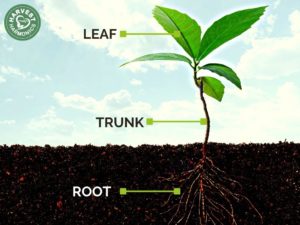
Due to osmosis, when there is a difference in gradient the water and nutrients flow from the root to the highest point of the plant where there will always be the lowest concentration of solutes. Due to the gradient, the plant will have moments of imbalance so through physiological mechanisms of the plant; roots adapt to rebalance the natural state of the plant.
At microscopic scales, the vibrations emitted by electrons make it possible to recognize any substance. These vibrations are fingerprints and are thus a highly reliable factor in scientific and industrial matters. Kyminasi Plant Booster recognizes each frequency emitted by the plants and intervenes resonance reaching the optimal frequency thus giving biological balance.
Biological balance allows plants to develop in a healthy way, without stress and with better results in quality and quantity, all this in an organic and sustainable way.
By Maria Belén Amaguaña
Press Room
Agricultural Technology for Farmers in India
Harvest HarmonicsTM New Biophysics Agricultural Technology For Farmers In India The Agricultural Biophysics technology, 20…
1
Organic Earth Tech, OETI, Launches One Million Dollar Technology
After hurricanes Maria and Irma, Puertorrican farmers are yet to receive the needed aid to recover. Organic Earth Tech…
0
Produce More From Less
CEO Harvest Harmonics Frank Arlia speaking at Replenish. Earth interview by Tia Kansara – London Climate Action Week. How…
0
Replenish Earth and the Environmental RE Talk Series
Replenish Earth and the environmental RE Talk Series event that reunited the top thinkers in the world Harvest Harmonics…
1